Does Cilantro Oil Go Bad? Reading a Bottle by Nose
Cilantro oil does not spoil the way a bag of leaves does, and it will not grow anything. What happens is quieter: the oil slowly reacts with the oxygen in the bottle, and the bright, green, citrus-edged smell that made you buy it starts to dull. Knowing what that looks like, and what to do about it, takes about thirty seconds with your nose.
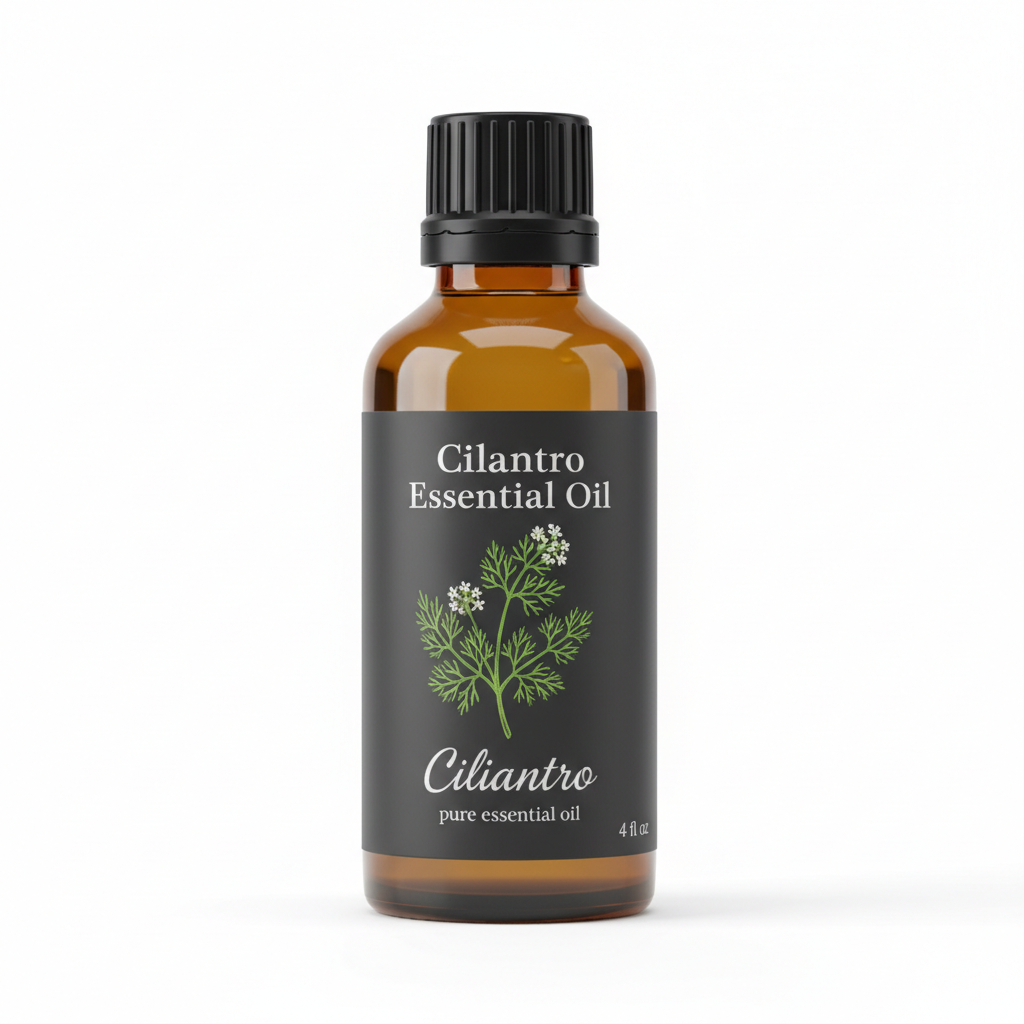
Cilantro Essential Oil
Our own Cilantro Essential Oil, in sizes from 0.5 oz to bulk.
From $13.99
Shop Now →What is changing inside the bottle
Essential oils are crowds of small, light molecules, and many of them react with oxygen given time, warmth and light. Cilantro leaf oil is unusual in how much of it is aldehydes. In one study of steam-distilled coriander leaf, four cultivars all had the same four aldehydes leading the oil, (E)-2-decenal, decanal, (E)-2-dodecenal and (E)-2-tetradecenal, and together they made up roughly 59% to 66% of it. Aldehydes sit one step from being acids in the chemistry of oxidation, so it is reasonable to expect that a well-aged bottle drifts toward a duller, flatter, sometimes sourer smell. That is our reasoning from the chemistry, not a measurement of any particular bottle.
The Tisserand Institute lists the same general culprits for every essential oil: oxygen, light and heat, with moisture speeding things along. Its guidance is reassuring on timing. Most oils keep well for one to two years, and if you use a bottle up within six to twelve months, oxidation is mostly a non-issue. We say the same of ours: an unopened bottle typically keeps for 1 to 2 years.
The nose test
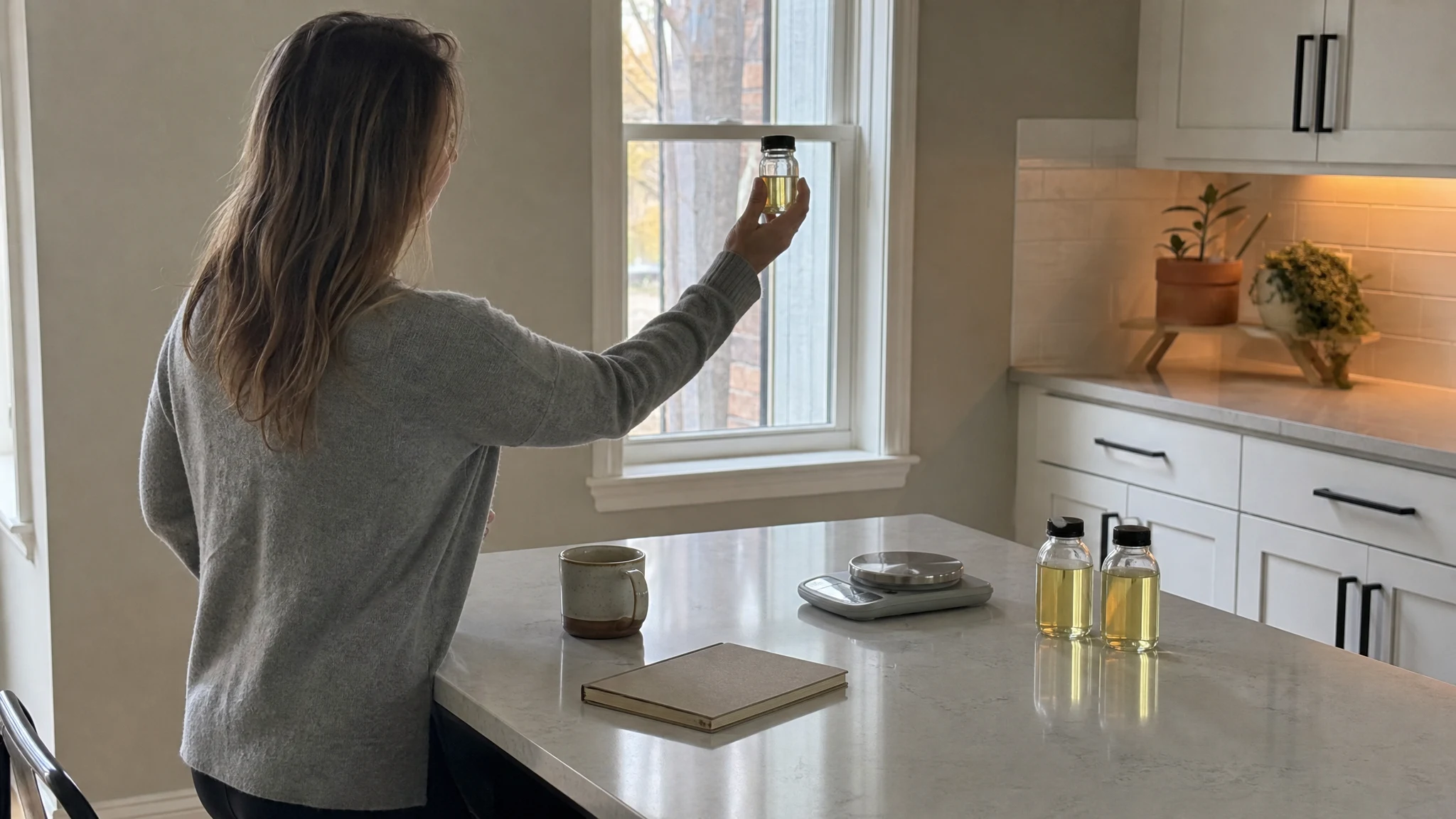
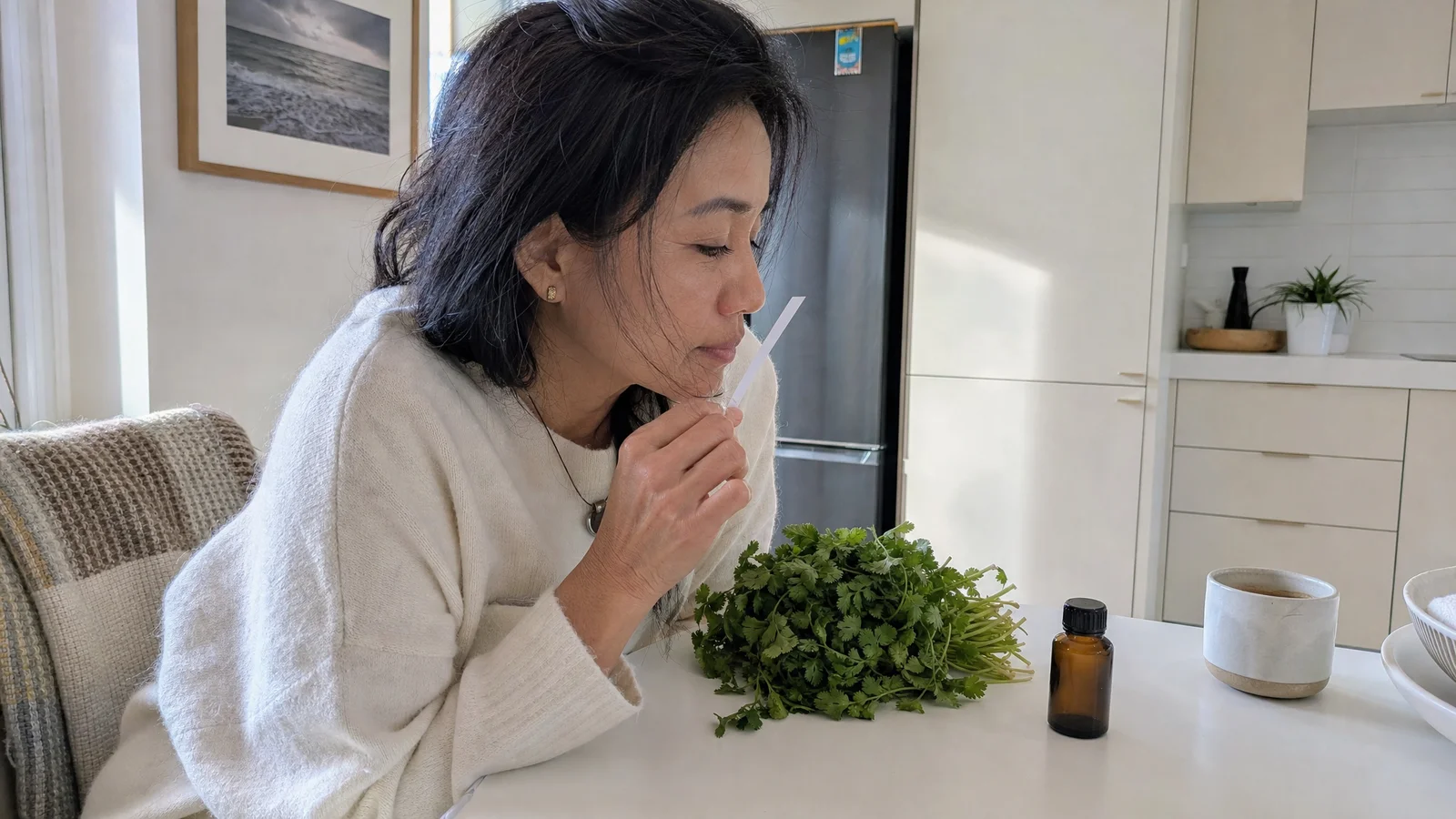
Smell is the best instrument you own, and it works best with a reference. Next time you open a new bottle, take one slow sniff and put the opening date on it. Later, when you wonder, smell the old bottle on a clean paper strip and compare it with how you remember the first day. Here is what to look for:
- Lost sparkle. Tisserand describes oxidised oil as losing some of its brightness and freshness. For cilantro that means the green, citrusy lift fades and what is left smells flat or faintly sharp.
- A new sour or rancid edge. If the smell has turned in a direction it never had, retire the bottle.
- Thickness or stickiness. Very old oils can thicken and eventually solidify, though that usually takes years. Our oil starts out pale yellow to nearly colorless, thin and watery, so a syrupy bottle is easy to spot.
- Cloudiness or water droplets. Moisture getting in can cloud an oil and hurry oxidation along.
A smell that has simply gotten quieter is the most common story. It is a sign the top note has escaped, which a top note does first.
Why skin is where we draw the line
Tisserand notes that oxidation products can raise the chance of a skin reaction, and that an oxidised oil should not be used on skin. So we would keep the skin question separate from the scent question. A bottle that is a little faded might still be pleasant in a diffuser or on a scent strip, but once you notice real change, take it out of anything that touches skin. If you are not sure, the sensible choice is to treat it as old. A patch test before skin use is good practice with any bottle, new or old, and our notes on irritation versus allergy explain what a reaction can look like.
There is no reliable way to confirm an oil is fine at home beyond these signs, and if you have a bottle that is many years old, we would not argue for keeping it in skin products on a hunch.
Slowing it down
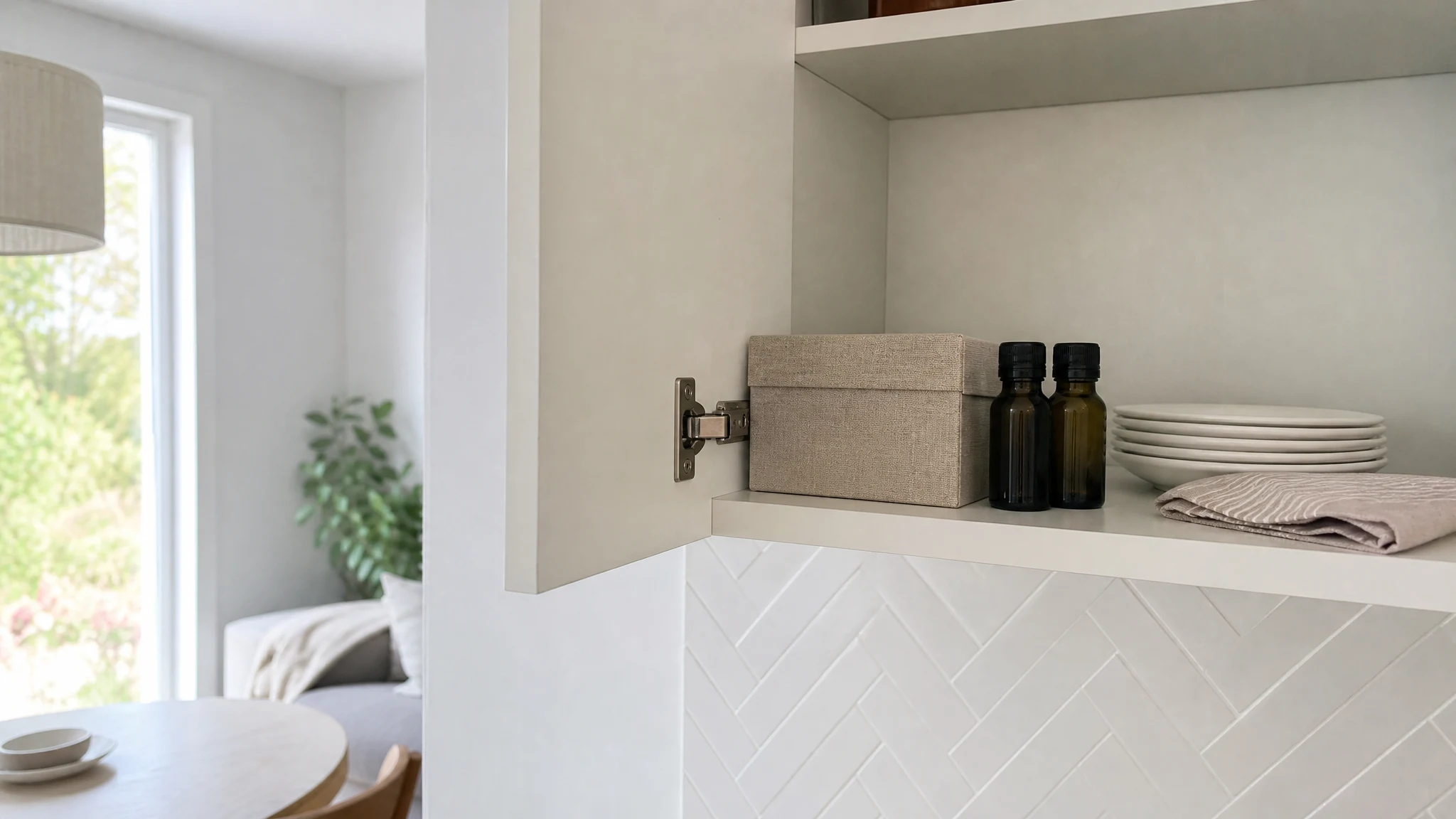
Most of what keeps an oil bright is what you do after opening it. Tisserand suggests keeping caps on, staying out of direct sunlight and reducing the air in the bottle as it empties, because more air means faster oxidation. Refrigeration, it adds, will about double the useful life. Our amber glass already handles the light part. The rest is in our storage guide, and because a bold oil goes a long way, the small end of the range is often the right choice; the size guide walks through it.
If you want to understand why this oil smells the way it does in the first place, our piece on aldehydes is a good companion. Our bottles carry a distillation date, a bottling date and a lot reference, so you always have a starting point to count from.
Cilantro oil rewards being used while it is lively. Open it, enjoy the first week, write the date on the box, and your nose will tell you the rest.
Cilantro Essential Oil
Cilantro Essential Oil from our own shop, in sizes from 0.5 oz to bulk.
From $13.99
Shop Now →Sources & Further Reading
- Is my bottle of essential oil oxidized or no longer good to use?, Tisserand Institute
- Oxidation and the Shelf Life of Essential Oils, Tisserand Institute
- Chemical Composition of Fresh Leaves Headspace Aroma and Essential Oils of Four Coriander Cultivars, Kumar et al., Frontiers in Plant Science, 2022