Does Cilantro Oil Stain? Getting Oil Out of Cloth
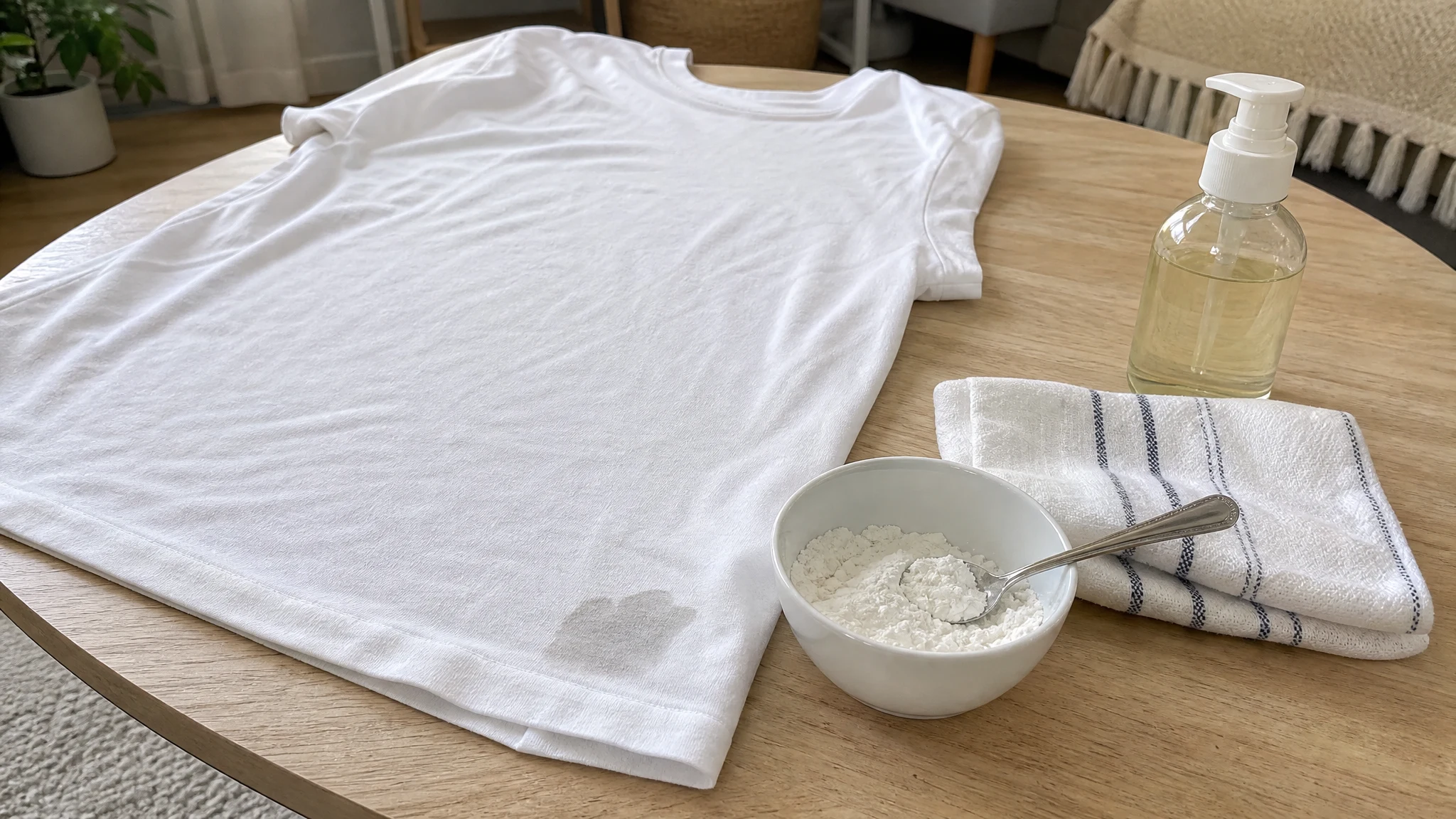
A spilled drop of cilantro oil does not look like much: it is pale yellow to nearly colorless, thin and watery, and it can soak into a cotton shirt before you have put the cap back on. A few minutes later you see a dark, slightly translucent spot where the fabric has gone see-through. That spot is oil, and the good news is that oil on cloth is an old, well-understood problem.
Cilantro Essential Oil
Our own Cilantro Essential Oil, in sizes from 0.5 oz to bulk.
From $13.99
Shop Now →Why a clear oil still leaves a mark
An essential oil is an oil, not a water-based liquid. It spreads into fibres and leaves the same kind of grease-type mark you would get from a dab of butter or a drop of salad dressing. Our oil is nearly colorless, so on most fabrics what you see is the dampness and shadow, not a stain of colour. We would still not promise that it leaves no trace on every fabric, and a pale fabric or a delicate weave is where any mark will show first. The kind of oil matters less than how quickly you act and what the fabric is.
What to do in the first ten minutes
Iowa State University Extension groups this with other oil-based stains such as butter, bacon fat, mayonnaise and automotive oil, and its advice is simple: pretreat with a commercial stain remover, liquid laundry detergent or liquid dish soap, then wash in water as hot as the item will tolerate, with detergent. Read that last part alongside your care label. Hot water that suits cotton towels can ruin a sweater. Here is the order we would follow:
- Blot, do not rub. Press a clean cloth or paper towel on the spot to lift the excess. Rubbing pushes oil deeper into the weave.
- Absorb if it is still wet. Cornstarch, baking soda or baby powder from the pantry or pharmacy, left on for a short while and brushed off, takes up surface oil before you add any liquid.
- Work in liquid dish soap. Dish soap is made to break up grease. A small amount rubbed gently into the spot and left for around ten minutes is the usual method.
- Wash as the label allows. Use the warmest water the care label permits.
- Look before you dry. Iowa State warns that the heat of a dryer sets a stain and makes it more permanent, so hold the wet garment up to the light. If any shadow remains, repeat and air dry in the meantime.
Test the soap on an unseen seam or hem first if the fabric is dyed, and Iowa State also cautions against bar soap and chlorine bleach on stains, so we would leave both out of this job.
Fabrics that should go to a professional
Silk, wool, leather, suede and anything marked dry-clean-only are the ones where we would stop at blotting and bring the garment to a dry cleaner, telling them what spilled. A cornstarch or baby powder dusting is a gentle first step for wool, but scrubbing and soaking are not. A professional cleaner has solvents and methods you cannot reproduce at home, and a spot treated badly is much harder to fix.
Counters, floors and tables
On hard surfaces the idea is the same, only gentler. Wipe up the oil quickly with a dry cloth, then go over the area with a damp cloth and a drop of dish soap, and dry it. Sealed counters and tile are forgiving. Unsealed wood, stone and anything with a painted or waxed finish is less so, so test somewhere hidden and act fast. We cannot tell you how your particular finish will respond, which is the reason for that test.
Keeping it off in the first place
Most spills happen when a bottle is uncapped near something soft. A few habits help:
- Open and pour over a tray, a saucer or a bathroom counter instead of over the bed or sofa.
- Always dilute in a carrier before applying to skin, as in our dilution guide, since that is what we recommend for skin anyway.
- Keep the oil capped and upright. The storage guide covers where it should live, away from children and pets.
- If you are making a spray, our room spray article explains how to get the oil to mix, which also means fewer oily droplets on upholstery.
Skin that has met a neat drop is a separate matter; rinse with plenty of water and see our notes on skin reactions.
A little oil on a shirt is a laundry task, not a disaster. Catch it quickly, soap it, check the shadow before the dryer, and you will usually be done before your tea has cooled.
Cilantro Essential Oil
Cilantro Essential Oil from our own shop, in sizes from 0.5 oz to bulk.
From $13.99
Shop Now →Sources & Further Reading
- Holiday Stains, AnswerLine, Iowa State University Extension and Outreach