How to Patch Test Cilantro Oil at Home
A patch test on your inner forearm is a sensible habit before putting any new oil on a larger area of skin, and it is worth being clear about what it is. It catches an obvious reaction to a weak dose in one small spot. It is not an allergy test, and a clear result does not clear you. With that in mind, here is how we would do it.
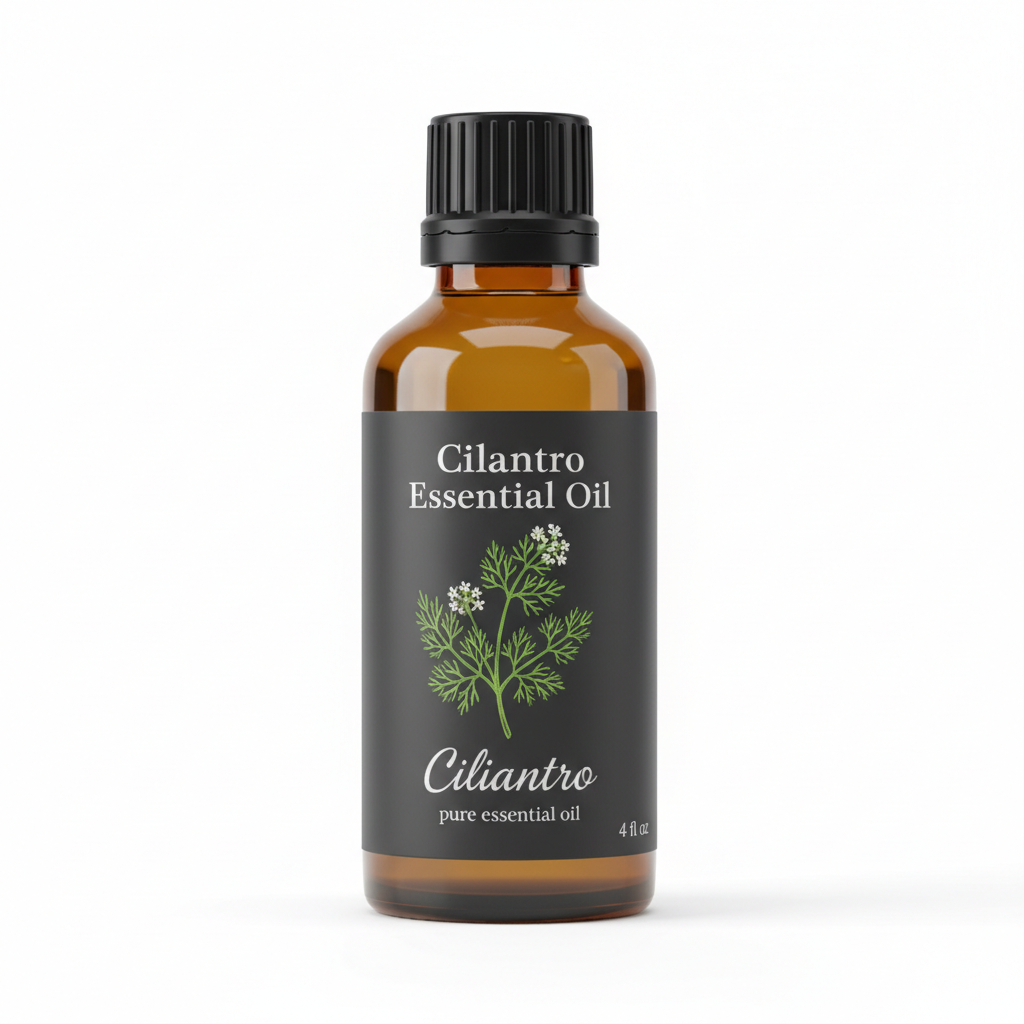
Cilantro Essential Oil
Our own Cilantro Essential Oil, in sizes from 0.5 oz to bulk.
From $13.99
Shop Now →Why a home test is not a clinic test
A clinical patch test, as DermNet describes it, applies standardized allergens on tape, usually to the back, for 48 hours, and reads the skin at 96 hours because reactions usually take 48 to 96 hours to develop. It looks for delayed allergic contact dermatitis and is not useful for investigating irritation. A negative result can mean the problem was irritant, or that the right allergen was not on the panel. Your kitchen version has one substance, one dilution and no trained reader.
The same DermNet page does describe a home-adjacent idea, open application testing: a product applied twice daily to a 5 cm patch of forearm for 5 to 10 days. It is a clinician's tool, so treat it as optional rather than a requirement. What we suggest is a small, weak test as a screening habit, and never a reason to use more.
Should you skip this and see a professional?
Yes, if you have eczema or broken skin, a history of reacting to fragrance, a known coriander, celery or mugwort allergy, or you are testing for a child or while pregnant. Poison Control also says not to use essential oils on damaged skin. A dermatologist can patch test a material you bring in. Our safety guide lists who should ask first.
Make the weakest dilution you can measure
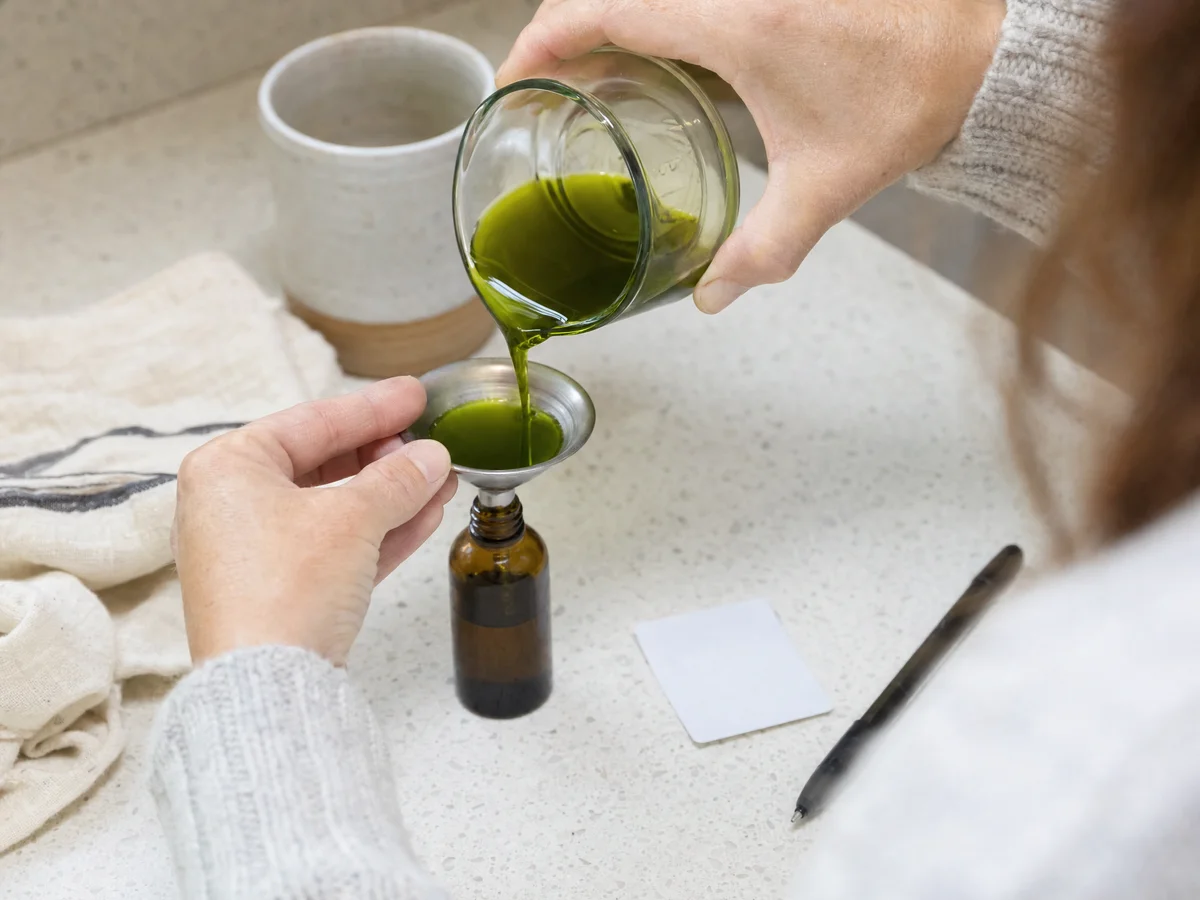
Our oil is sold undiluted, so the mixing is yours. We recommend 0.5% to 2% in a carrier oil for skin, and for a test we would start at the bottom. A worked example: 10 mL of carrier is about two teaspoons. At the rough convention of 20 drops per mL, one drop is about 0.05 mL, so one drop into 10 mL is 0.05 divided by 10, or 0.5%. Two drops is about 1%. A drop is a coarse unit, so a pipette or syringe gives a truer figure.
Use a carrier you already know your skin tolerates, otherwise you cannot tell which ingredient caused a reaction. We sell only the oil itself, so the carrier comes from any supplier; the full range of strengths is in our dilution guide. Why not test at the strength you plan to use? Because the low end costs you nothing: if 0.5% provokes a reaction, 2% would not have gone better.
Apply, wait and look at the right times
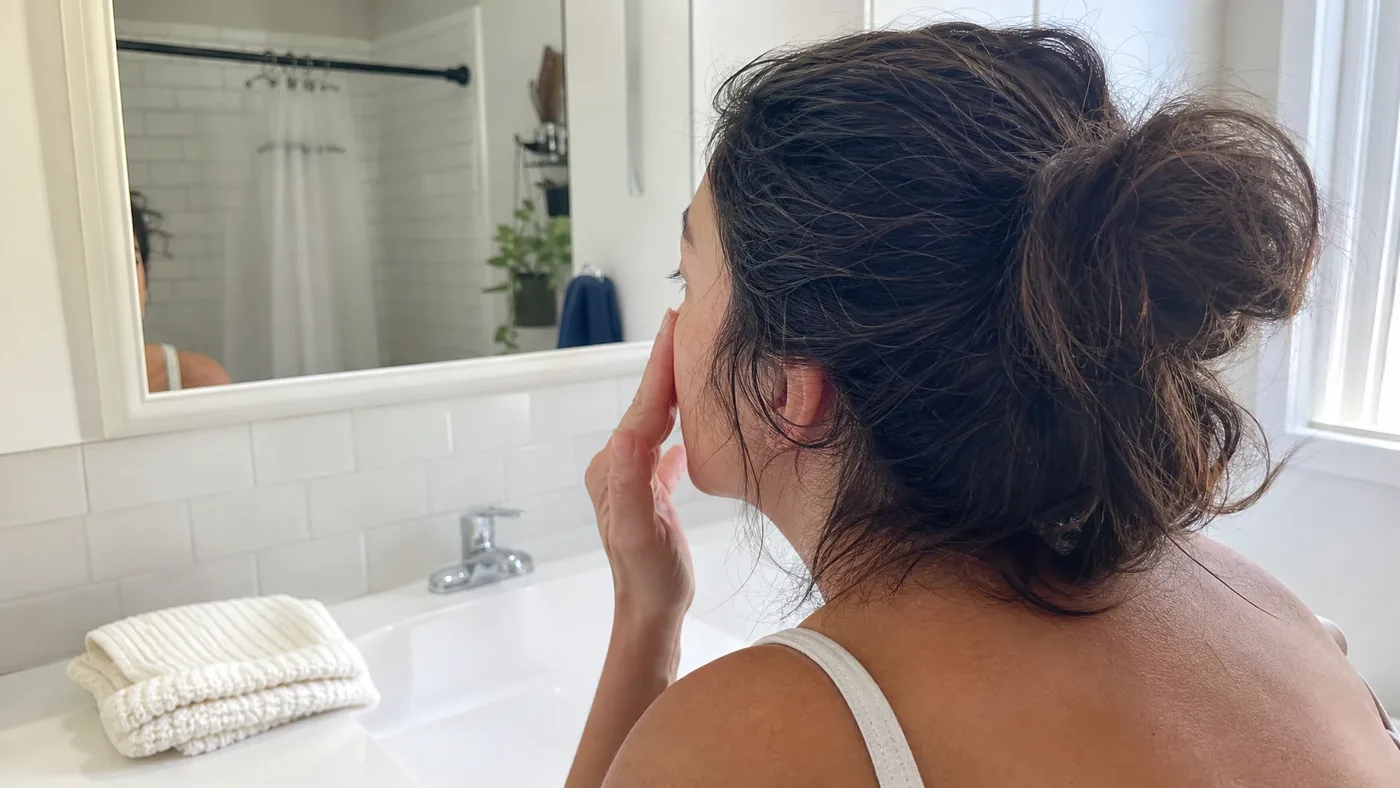
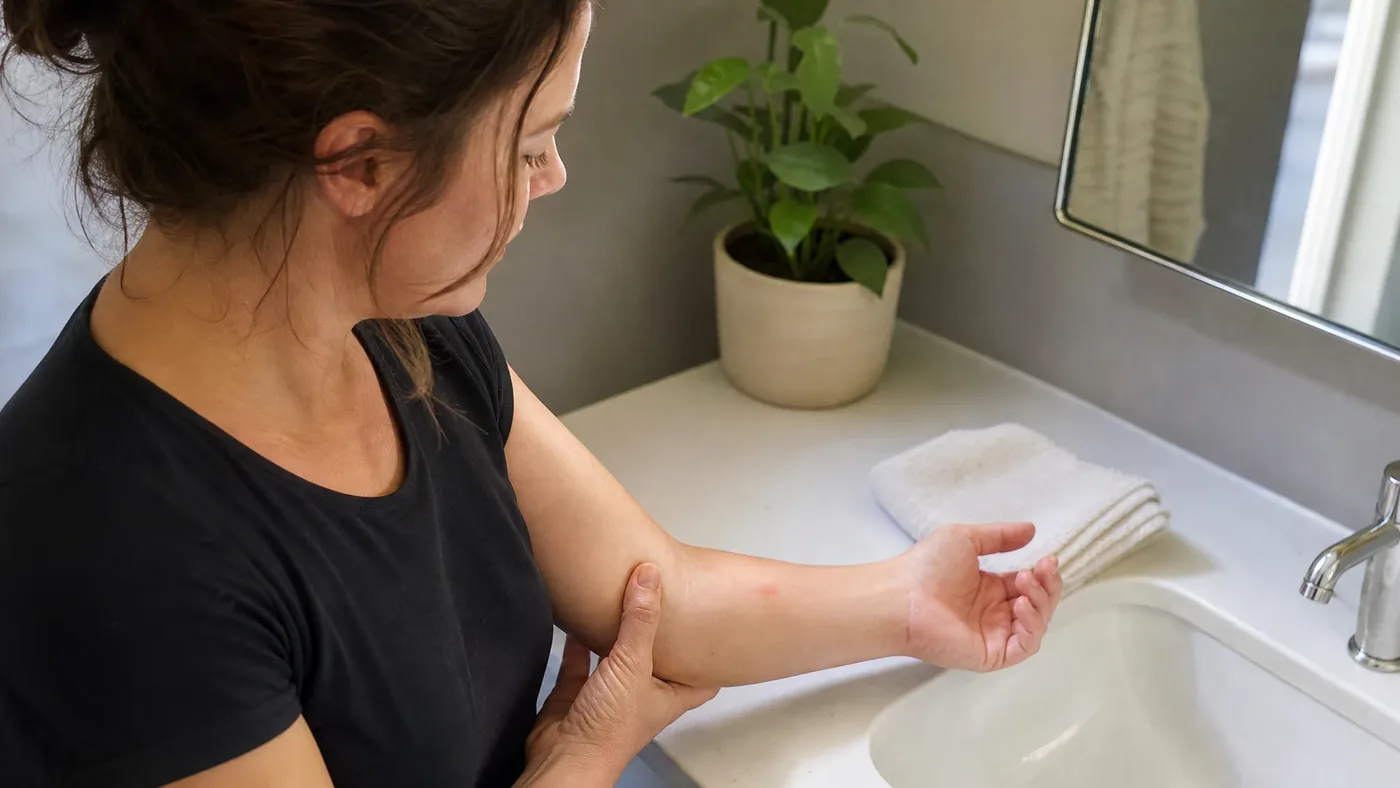
- Wash and dry a patch of inner forearm about 5 cm across.
- Rub in a small amount of the 0.5% blend, keeping it well away from your eyes.
- Watch the first hour. Stinging or a quick flush points toward irritation.
- Look again at 48 and 96 hours. Those are the clinic reading times, so they suit a delayed reaction. Leave the spot alone between checks unless it bothers you.
Write down the date, dilution, carrier and which bottle you used, and photograph the spot at each check. A spot that is calm for an hour and angry on day three is following the delayed pattern DermNet describes, not an immediate one, and a dated record is far more useful to a dermatologist than memory.
It helps to set yourself up so the test is easy to follow. Choose a spot you can see without twisting, away from a watch strap or a sleeve cuff, and avoid doing it right after a hot shower. Skip new lotions that week so a surprise does not muddy the picture.
Reading what you see
| What you see | What it suggests | What to do |
|---|---|---|
| Stinging or redness in the first hours that fades | Looks like irritation rather than an immune response | Do not increase the strength; consider whether the carrier or dose was the cause. |
| Redness, itch, bumps or blisters at 24 to 96 hours | Fits a delayed allergic pattern, though only a dermatologist can say | Stop, wash, do not reuse, and see a dermatologist. |
| Swelling beyond the spot, hives, wheeze or throat tightness | A body-wide reaction, not a patch test result | Call your local emergency number. |
| Nothing at 96 hours | No reaction to this dose, on this skin, in this window | Proceed at 0.5% to 1%, and keep watching. |
DermNet also notes that, rarely, sensitisation caused by the test itself can produce a positive reaction 10 to 14 days later, which is a good reason to keep an eye on a spot that looked clear.
Why a clear result proves less than you want
Allergy to a fragrance material generally develops with repeated exposure, so one application cannot tell you how the tenth will go. A 0.5% test also says little about 2%. Test with the bottle you will actually use, and test again if you switch to a new one. And a forearm test says nothing about food or pollen allergy, which our allergy guide covers. For the broader picture of how irritation and allergy differ, see the skin sensitivity guide.
A calm forearm after four days earns the oil a careful first use at the weakest strength. If you want an answer you can rely on, a dermatology clinic's test is the one to book.
Cilantro Essential Oil
Cilantro Essential Oil from our own shop, in sizes from 0.5 oz to bulk.
From $13.99
Shop Now →Sources & Further Reading
- DermNet. Patch tests. dermnetnz.org/topics/patch-tests
- Poison Control. Essential oils. poison.org