Cilantro Allergy and Essential Oil: What to Know First
"I'm allergic to cilantro" can mean three quite different things: it tastes like soap, it makes my mouth itch, or it once sent me to the emergency room. Only the second and third are allergy, and only an allergist can tell you which you have. Here is how we would sort it out, and what the published reports say about coriander allergy.
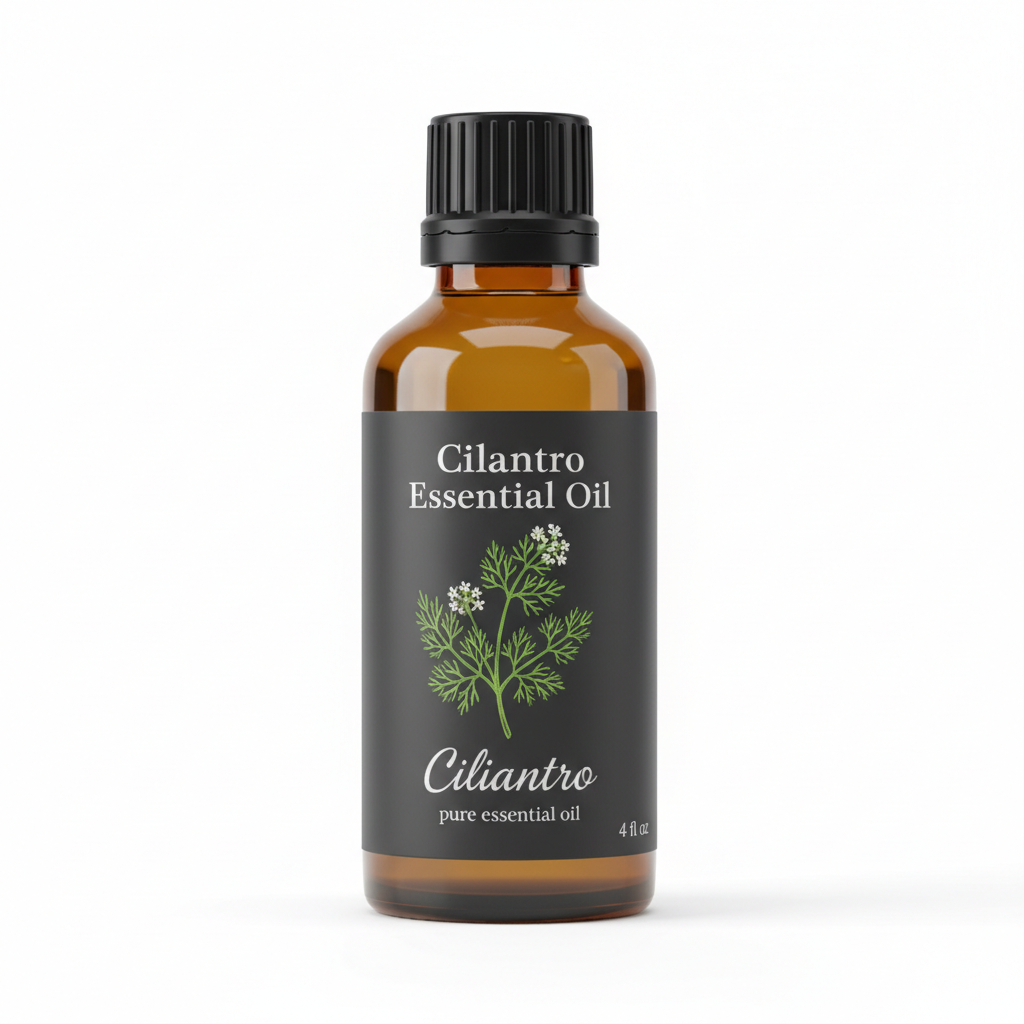
Cilantro Essential Oil
Our own Cilantro Essential Oil, in sizes from 0.5 oz to bulk.
From $13.99
Shop Now →Dislike, allergy, or skin reaction
If cilantro simply smells or tastes like soap to you, that is perception, not immunity, and it has its own explanation in why cilantro tastes like soap to some people. If you have had hives, swelling, wheeze or vomiting after eating it, that is an allergy question. And if you are wondering about a rash from the oil on skin, that is a third, separate immune route, covered in our skin sensitivity guide and the patch test guide.
Why a strong smell is not proof of allergy
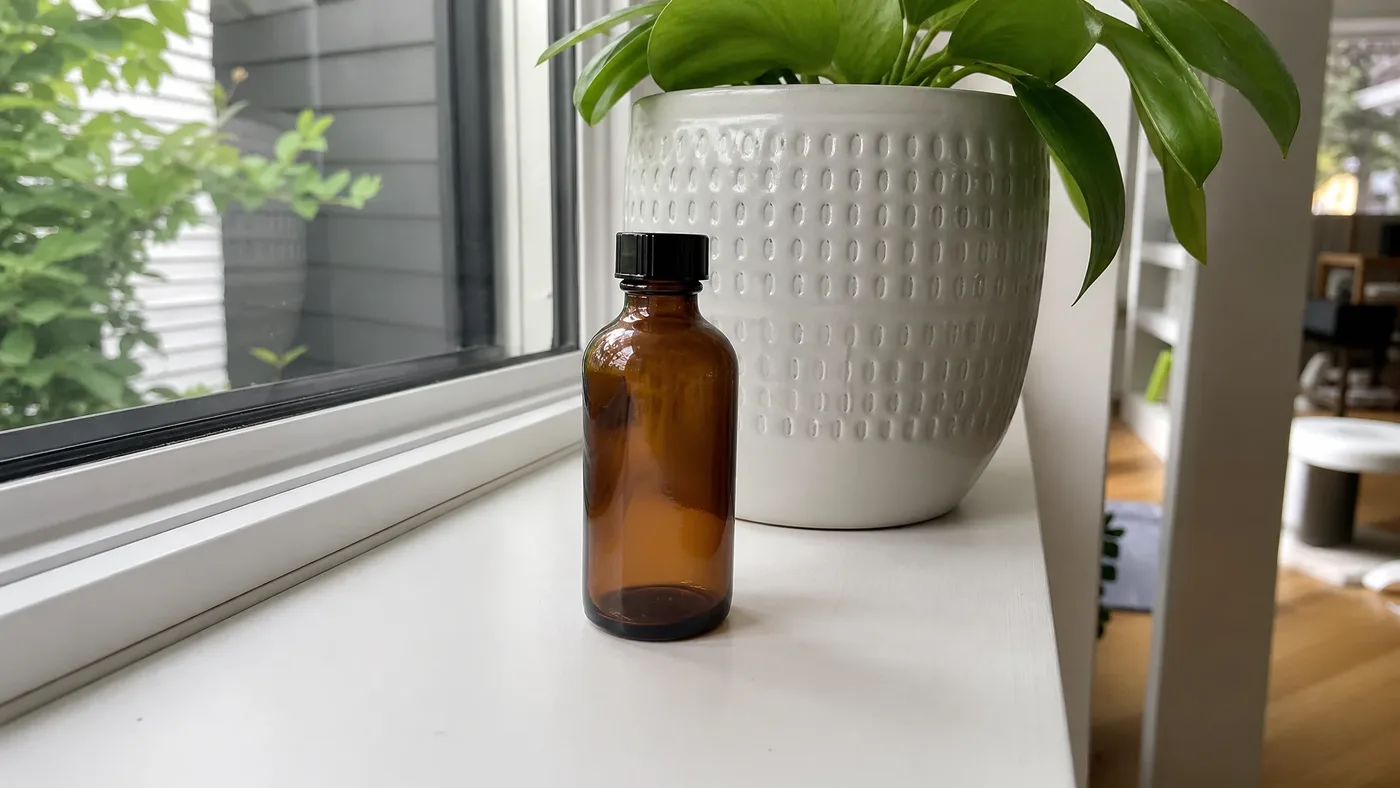
Cilantro leaf oil is a loud material. Open the bottle and you will notice a sharp, waxy, green aroma that can feel like a lot even to someone who loves the herb. Watering eyes or a wrinkled nose at that first sniff can simply mean the scent is intense, and it does not tell you anything about your immune system. That is one reason we like people to smell a drop on a tissue, at arm's length, before they do anything else. Intensity is a matter of taste. Swelling, hives or wheeze is a matter for a doctor.
What the case reports show
Documented coriander allergy is mostly a collection of individual stories, and none of them involve leaf essential oil. They are still worth knowing.
One is a young woman with birch pollen allergy who had anaphylaxis after drinking a beer flavored with coriander. The authors of that 2018 case report describe it as the first beer anaphylaxis traced to coriander, and use it to make a wider point: flavorings are not always listed, so a spice can be a hidden allergen when someone reacts to foods they normally tolerate.
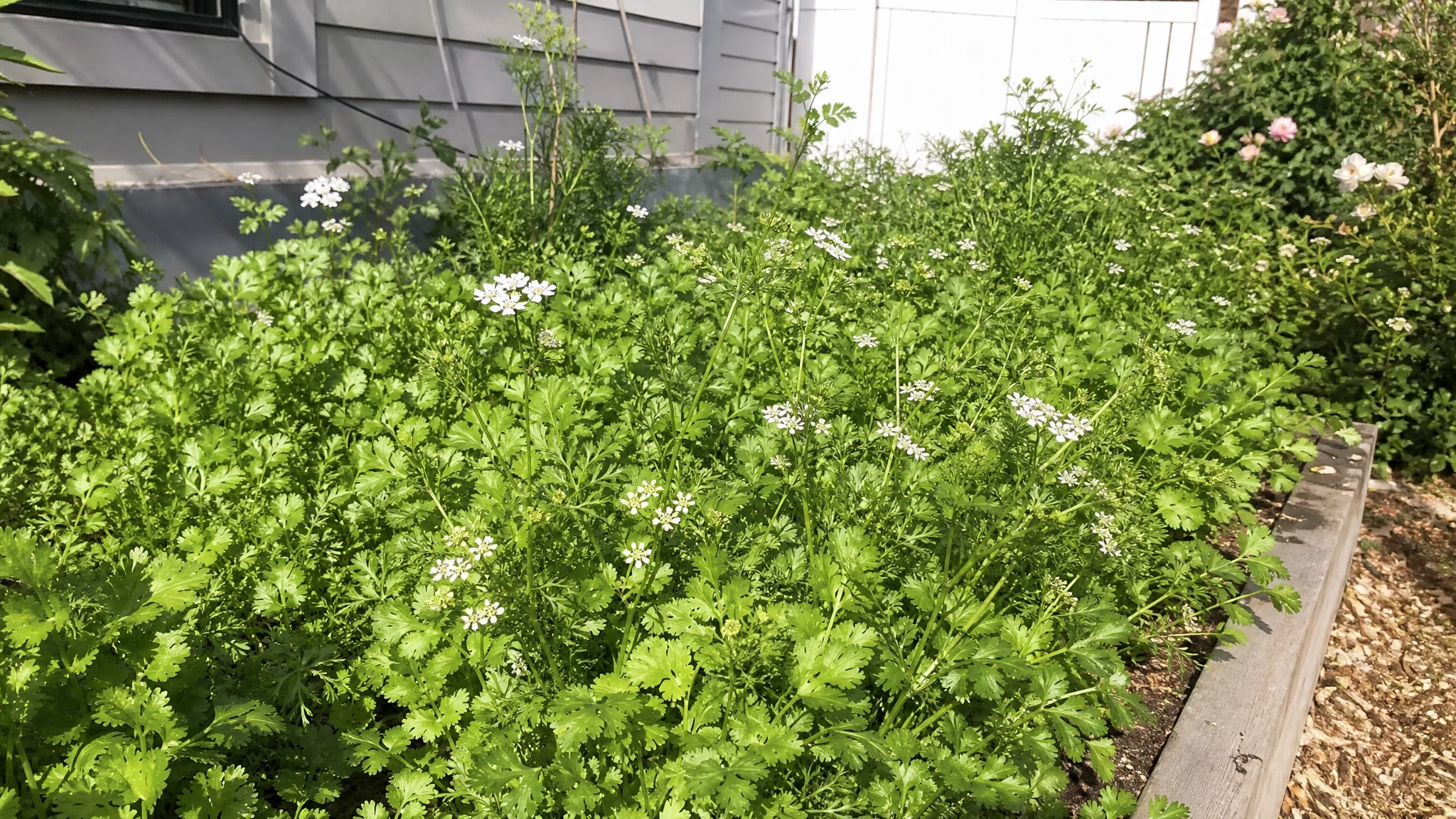
Another is a spice factory worker who reacted to coriander in a meal and also developed hives, swelling, runny eyes and wheezing while handling coriander and fenugreek. His skin tests, blood tests and cell-based tests were positive, healthy controls were negative, and the authors judged that he had probably become sensitized through work (Ebo and colleagues, 2006). The useful lesson is about route: handling and breathing the material was enough, not only eating it.
Two reports are not a rate, and neither tested leaf oil. What they do show is that coriander allergy is real, that it can hide in flavored foods, and that it can appear alongside pollen allergy.
Does any of that reach the oil?
Nobody has measured it. If we reason from how a still works, the allergens in those reports are probably proteins from the seed or the spice, and distillation mostly carries over small volatile molecules, so a distilled oil might carry little of them. That is a chemistry argument, not a measurement, and the oil has its own aroma chemicals that can matter for skin, which is a different pathway. So we do not treat "it is only the oil" as a pass, and neither should you if you have a history with the plant.
Keep a small diary
If you are unsure which of the three situations is yours, a few lines in a notebook go a long way. Write down the date, what you ate or touched, how soon you noticed something, and what it felt like. Add whether it was pollen season and whether you were also around spices, perfumes or cleaning products. Patterns that are invisible in memory often show up on paper, and an allergist will be glad to have them.
What we would do in your position
- If you have ever had a whole-body reaction to coriander or cilantro, or you have pollen allergy and react to spiced food, ask an allergist before opening a bottle. Bring the oil's name, Coriandrum sativum leaf, and the Certificate of Analysis we publish for one batch.
- Do not use a forearm patch test as your allergy check. It is designed to look at skin, not at the kind of reaction that tightens a throat.
- With no history, start with the smallest size, dilute to our recommended 0.5% to 2% in a carrier oil, patch test, and stop at the first itch or swelling.
- For wheeze, throat tightness or swelling, call your local emergency number. Do not search first.
An allergist, or an immunologist depending on where you live, is the right professional for food and airborne allergy, and a dermatologist for skin reactions that recur or blister. Bring a written account of each episode: what you had, how soon after, which symptoms, and whether it was pollen season. If the doctor asks what is in our oil, the answer is one ingredient, cilantro leaf oil, undiluted, with nothing added. Our broader checklist is in cilantro essential oil safety.
If the plant is not for you
Some people with a cilantro history decide the aroma is better left alone, and that is a perfectly good decision. There are plenty of other bright, green or citrusy materials in the world of scent, sold by other suppliers, and none of them needs to be cilantro. Choosing something else costs you nothing, and it spares you a question you would rather not have to answer at the end of a long day.
We would rather you wait and ask than guess. A person with a cilantro history has an easy alternative for the aroma side of life, and an allergist's answer is worth more than any shop's.
Cilantro Essential Oil
Cilantro Essential Oil from our own shop, in sizes from 0.5 oz to bulk.
From $13.99
Shop Now →Sources & Further Reading
- Brussino L et al., 2018. Beer anaphylaxis due to coriander as hidden allergen. BMJ Case Reports. pubmed.ncbi.nlm.nih.gov/30093499
- Ebo DG et al., 2006. Coriander anaphylaxis in a spice grinder with undetected occupational allergy. Acta Clin Belg. pubmed.ncbi.nlm.nih.gov/16881566