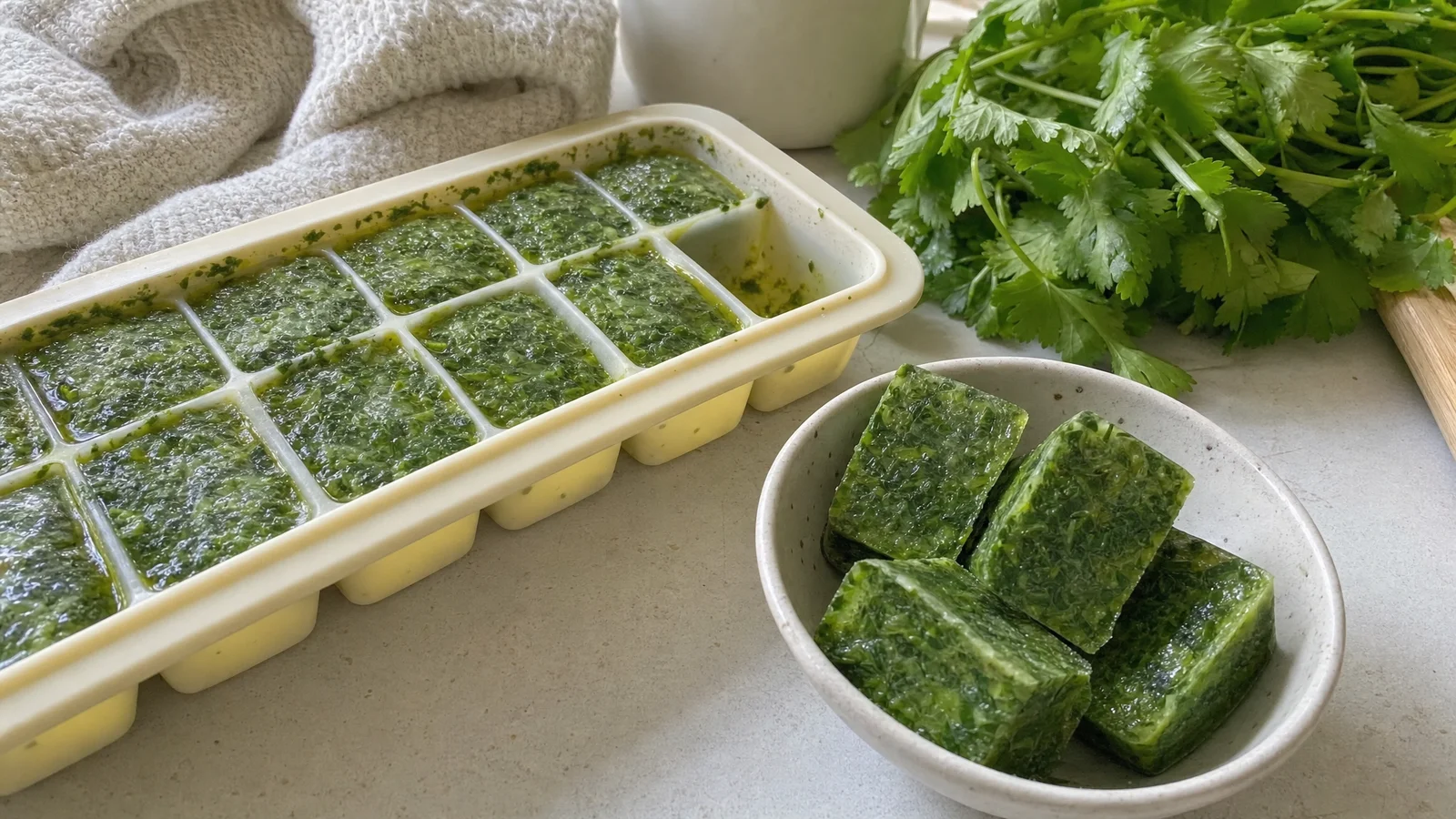
Freezing Cilantro in Oil Cubes: What Keeps Them Safe
Most recipes for cilantro cubes quietly imply that the oil is what preserves the herb. It is not. The freezer is doing the safety work, and the cubes are only as safe as they are cold. Once that clicks, the method is easy, and a wilting bunch turns into a tray of ready-to-drop flavor for soups, rice and pan sauces.
Cilantro Essential Oil
Our own Cilantro Essential Oil, in sizes from 0.5 oz to bulk.
From $13.99
Shop Now →Why the oil is not the safeguard
Chopped herbs in oil are low-acid food packed in a low-oxygen setting, exactly where botulism bacteria can grow when the mixture sits at room temperature. The University of Georgia's circular on safely making infused oils gives two options for a non-acidified herb oil: refrigerate it and discard it after 4 days, or freeze it. The CDC says the same, advising that homemade oils made with garlic or herbs be refrigerated and thrown away after 4 days, and Health Canada adds that vegetables and herbs in oil should never be kept at room temperature. Freezing is simply the way to hold the mixture for longer.
Cubes or plain frozen leaves?
The National Center for Home Food Preservation's method for fresh herbs uses no oil at all. You wash, dry, wrap a few sprigs in freezer wrap and bag them. It notes that frozen herbs suit cooked dishes but turn limp, so they are not for garnish. Oil cubes are a convenience on top of that, not a longer-lasting method.
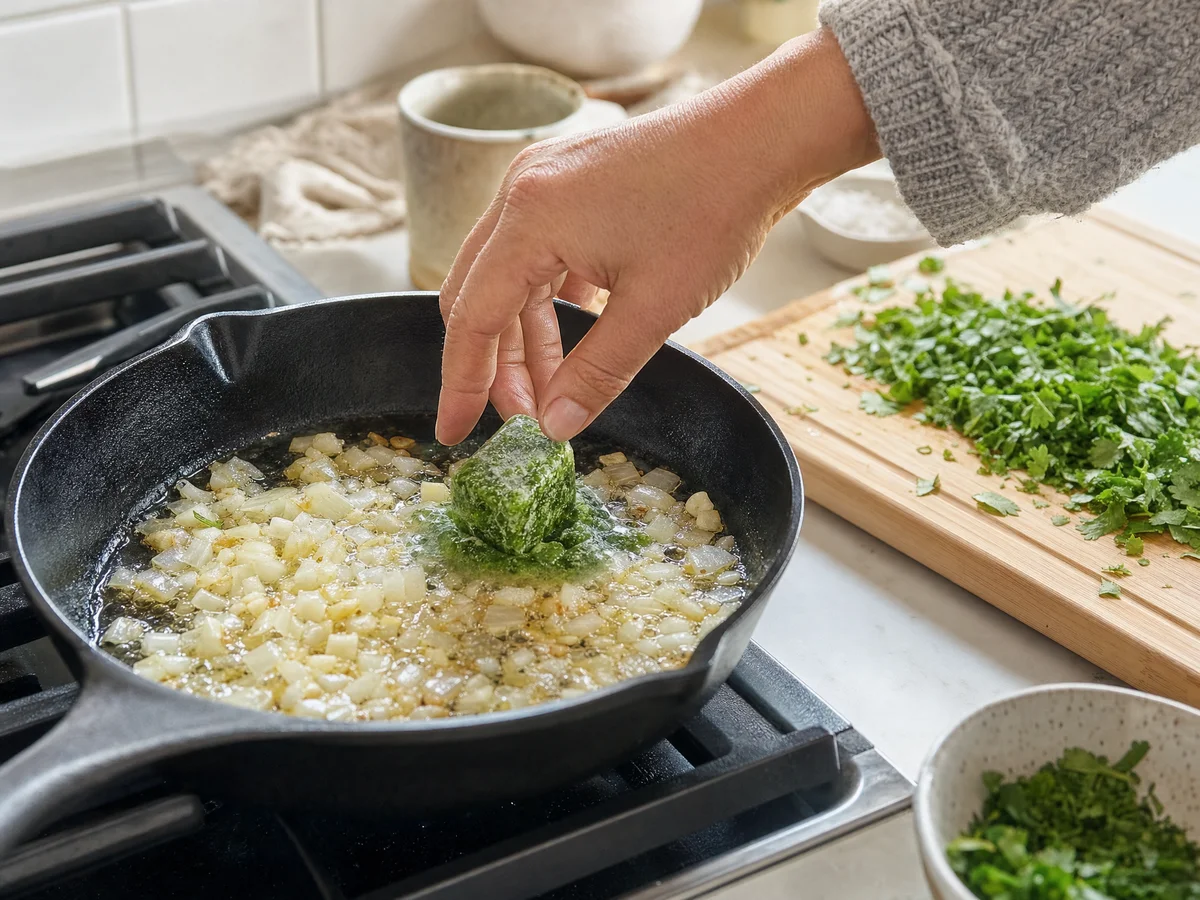
That convenience is real if you cook a lot in a hot pan, because the cube melts into the fat you were going to add anyway. If you want a raw topping or a fresh garnish, neither method will do, and a fresh bunch is the answer. If freezer space is tight, plain frozen leaves take up less room.
Choosing the herb and the oil
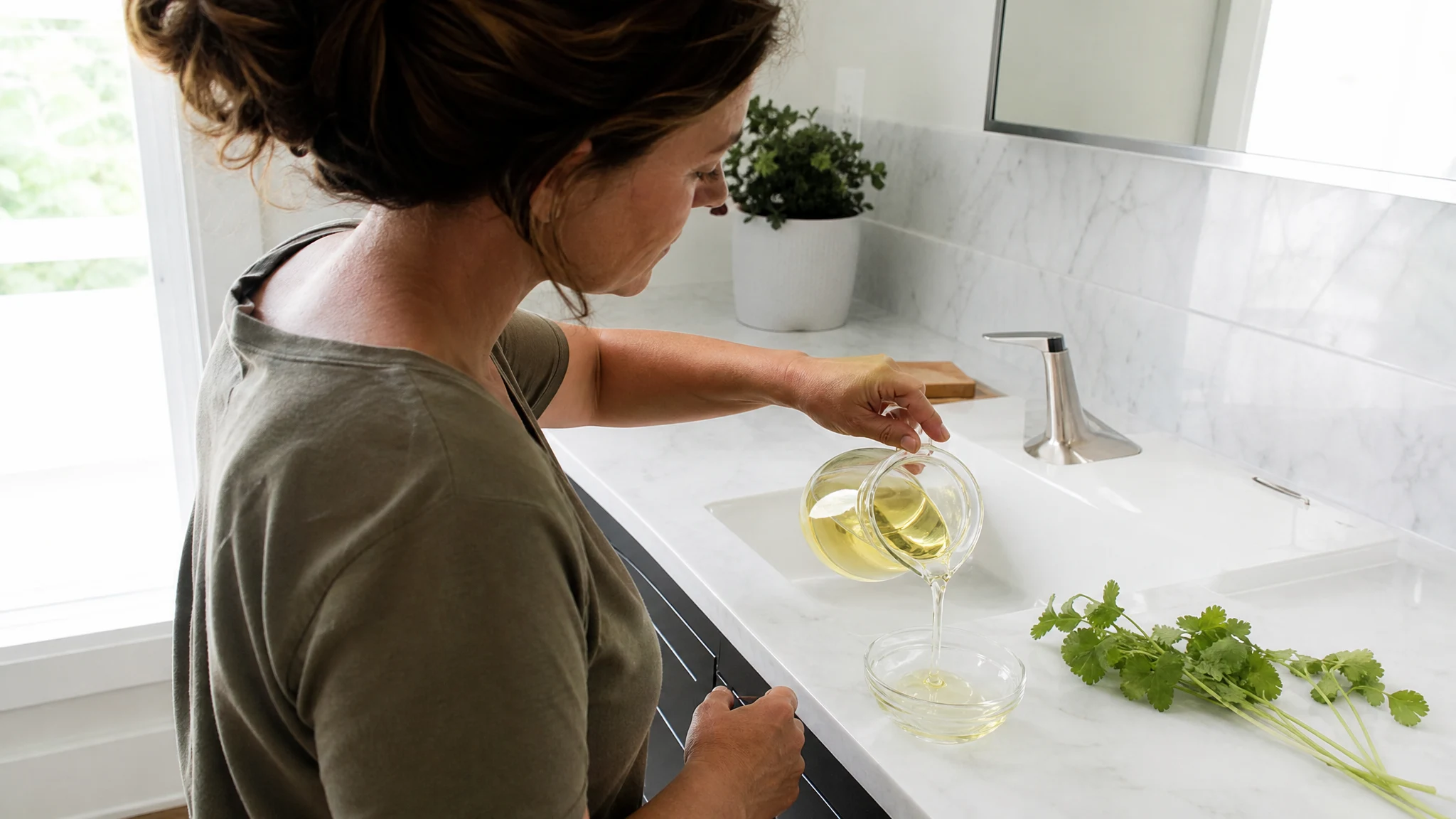
Reach for a mild kitchen oil from the grocery store. A strongly flavored oil will fight the herb, and you want the cilantro to be the one talking. Pick a bunch that looks perky and green, with firm stems and no slimy leaves. The tender stems carry plenty of flavor, so chop them in with the leaves rather than throwing them away. A silicone tray makes popping the cubes out easy, though an ordinary ice tray does the job.
How to do it
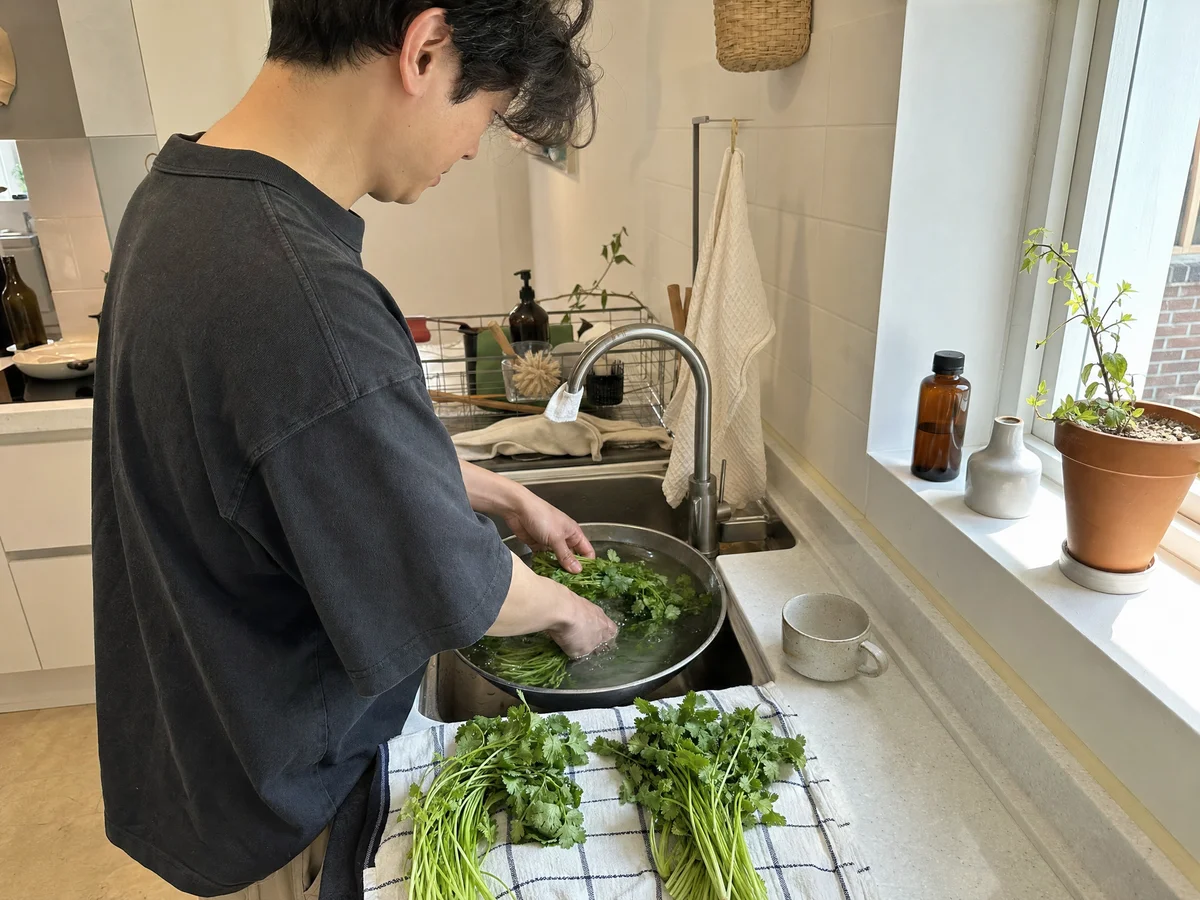
- Wash and dry thoroughly. Surface water adds moisture to the mix.
- Chop and mix with oil. A common cooking ratio is about a packed cup of leaves to a quarter cup of oil. Treat it as a starting point and adjust it to your tray.
- Fill the tray and freeze right away. Do not leave the mixture on the counter while you fill several trays.
- Move frozen cubes to a bag or jar, press out the air, and label with the date.
- Cook from frozen. Drop a cube into a hot pan.
A typical grocery bunch is often somewhere around 50 to 100 g, which is roughly one to two packed cups chopped, so one bunch makes about a quarter to a half cup of oil, or perhaps 8 to 16 tablespoon-sized cubes. That is plenty if you cook with a spoonful a week.
Where the cubes shine
- Melted into the oil at the start of a soup or a pot of rice.
- Dropped into a hot pan before beans, eggs or vegetables.
- Stirred into a pan sauce at the end, where they melt in seconds.
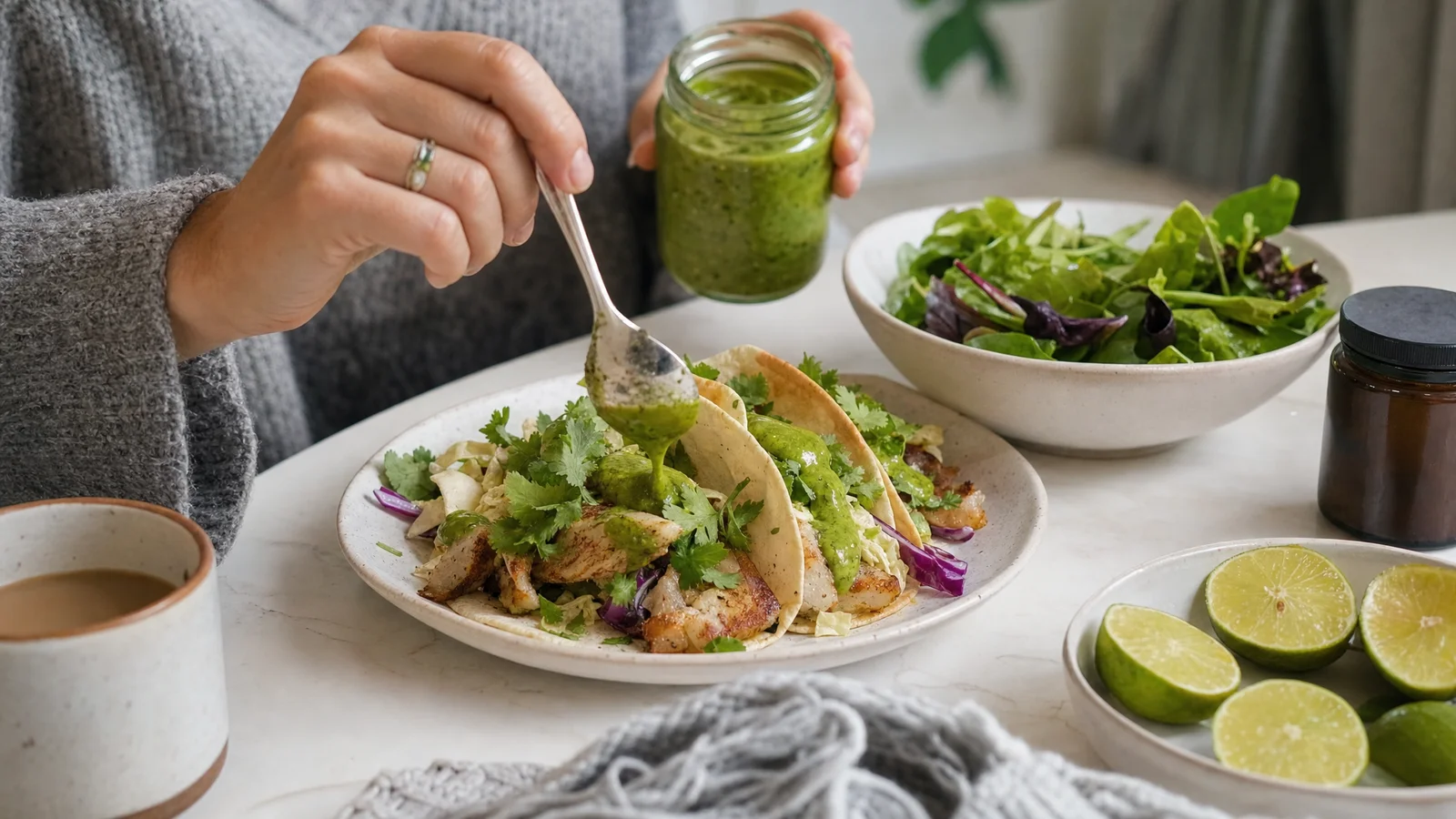
Think of them as a head start in the pan, not as a fresh garnish. For anything raw, a fresh bunch is still the better answer.
How long do they last, and what about thawing?
The sources we read give months for garlic in oil kept frozen, but no figure for cilantro cubes. What you will notice first is quality rather than safety, because frozen herbs lose texture and some freshness, so we suggest using them within a few months and dating every bag. That is a judgment call, not a sourced number.
Treat a thawed cube as fresh herb oil. Take out only what you will use, never thaw on the counter, and never refreeze. If a cube does thaw in the fridge, the CDC's 4-day limit applies. If you are cooking for someone with a weakened immune system, an infant or a pregnant person, a physician or registered dietitian is the right person to ask about home methods.
Keep the essential oil out of it
This is a kitchen project, and it belongs with a kitchen oil from the grocery store. The cilantro essential oil we sell is an aroma product, steam-distilled from the leaf and not for internal use, so it has no place in the tray. Our post on ingesting cilantro essential oil explains why, and the kitchen guide to infused oil has the longer story on homemade herb oils. A sauce that suits the freezer is in our cilantro olive oil sauce post.
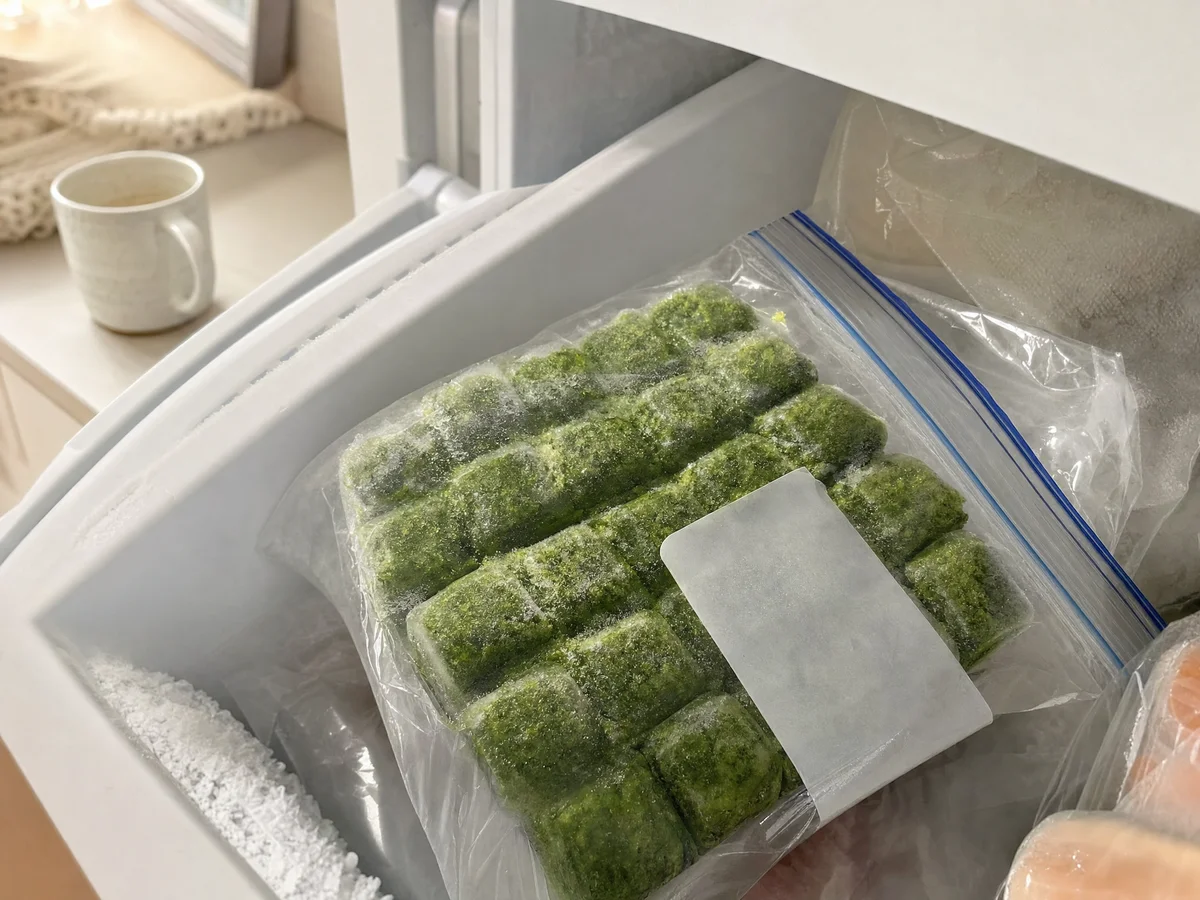
Freeze small, label everything, and let the freezer do the work.
Cilantro Essential Oil
Cilantro Essential Oil from our own shop, in sizes from 0.5 oz to bulk.
From $13.99
Shop Now →Sources & Further Reading
- Schwan C.L., UGA Extension, 2024, How to Safely Make Infused Oils (Circular 1334)
- National Center for Home Food Preservation, Freezing fresh herbs
- National Center for Home Food Preservation, Freezing garlic in oil
- Health Canada, Food safety tips for vegetables and herbs in oil
- CDC, Preventing botulism: home-canned foods