Is Therapeutic a Real Grade for Essential Oils?
Walk down any essential oil aisle and you will find adjectives doing a lot of work: therapeutic, pure, medicinal, premium. The first of those sounds the most official, and it is the one with the least behind it. We would rather you judged a bottle by a lot number and a report than by any adjective, ours included.
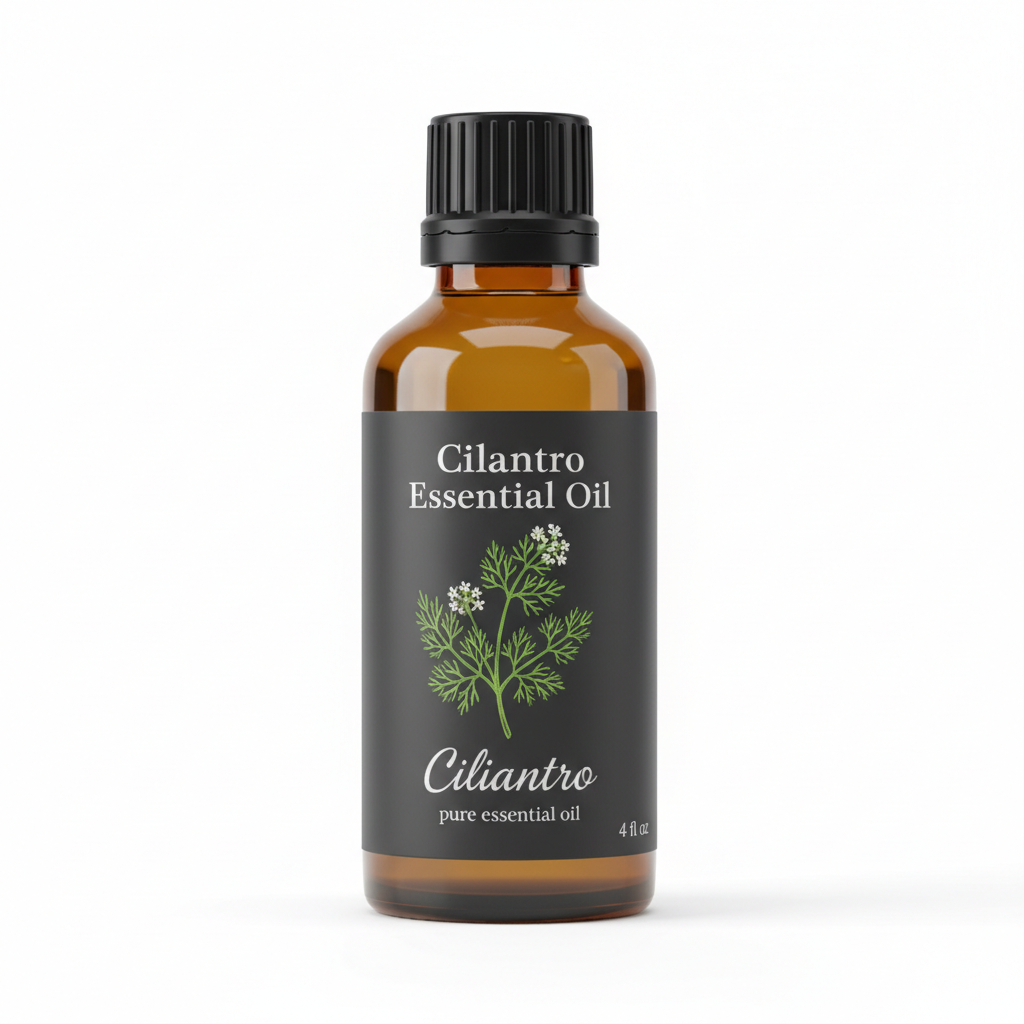
Cilantro Essential Oil
Our own Cilantro Essential Oil, in sizes from 0.5 oz to bulk.
From $13.99
Shop Now →What a grade would have to be
A quality grade works by naming measurable limits, such as which compounds should lead the profile and in what range, so a laboratory can say pass or fail. The word therapeutic names something else: an effect in a person. Showing an effect takes studies of that oil in people, and a word on a bottle cannot stand in for them. We searched for a government or standards-body definition of a "therapeutic" grade and found none, which fits what the regulators say about cosmetic claims in general. The FDA states that it does not have a list of approved or accepted claims for cosmetics, and that labeling must be truthful and not misleading (FDA, cosmetics labeling claims). Some companies publish internal specifications under their own names. Those are company standards, which is fine, but they are not a grade anyone independent audits.
It is worth saying plainly that none of this is a criticism of anyone who buys by a label. Shelves are crowded and time is short. We just think a few small questions serve you better than a big word, and they cost nothing to ask.
Why we skip the word altogether
The FDA's aromatherapy page explains that intended use, judged from labeling, websites and advertising, decides how an oil is regulated, and that claims to treat health problems or help you sleep are drug claims. A seller who calls an oil therapeutic invites the question of what it is meant to treat. We sell an aromatic oil for diffusing, diluted skin products and craft work, and we make no medical claims, so the word has no place on our bottle. If a symptom or condition is on your mind, a physician or pharmacist is the right place to start. Our claims article explains the rules in more depth.
Standards do exist, one oil at a time
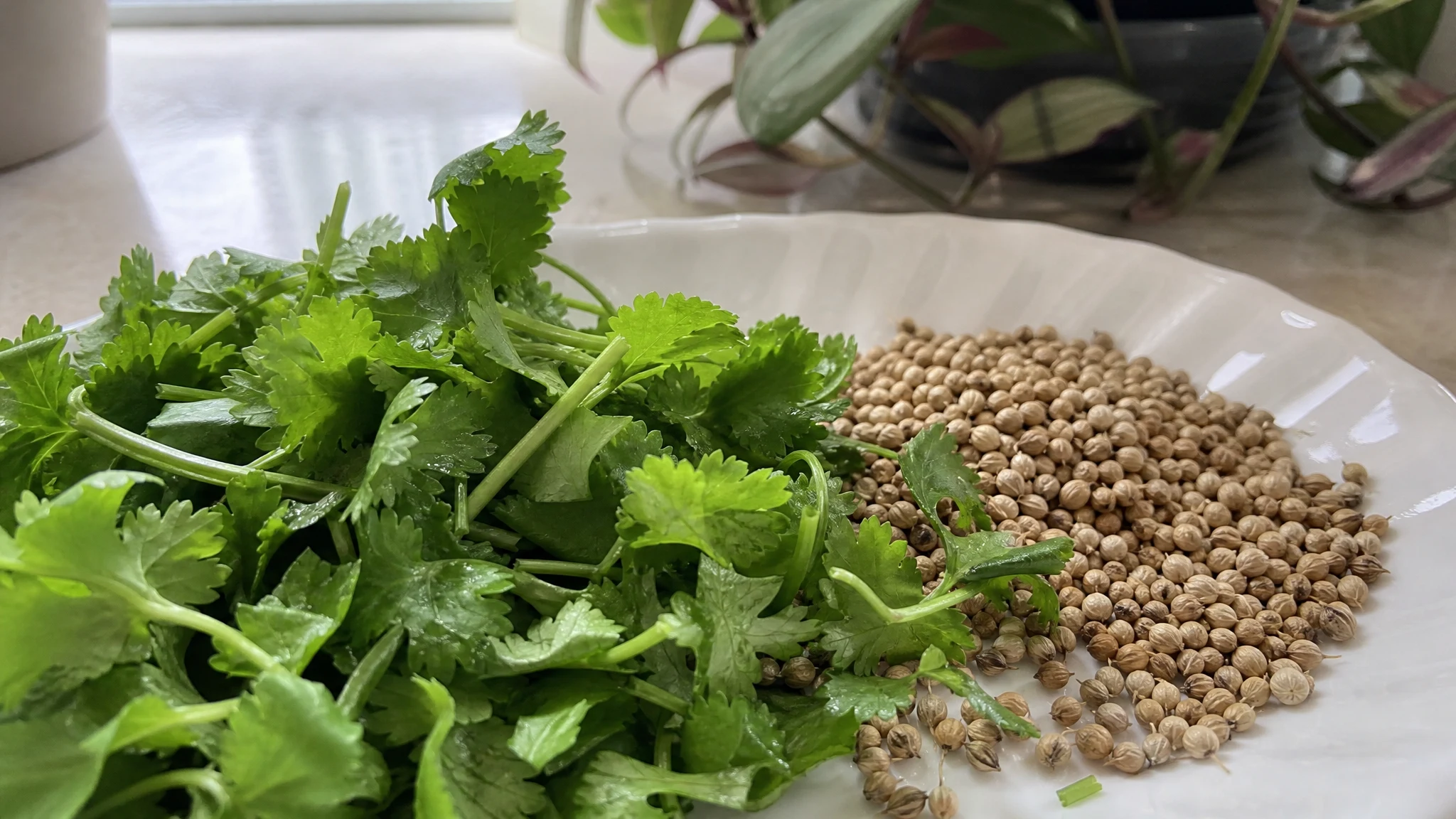
Real specifications are written oil by oil. For coriander, the ISO standard we found is ISO 3516:1997, titled "Oil of coriander fruits (Coriandrum sativum L.)" and listed as current (DIN Media listing). The word "fruits" matters. It covers seed oil, which is a different material from leaf oil. The two come from the same species and smell remarkably different. In one study that hydrodistilled both from the same plant, the seed oil was led by linalool at 37.7%, while the leaf oil's top compound was 2-decenoic acid at 30.8% (Bhuiyan et al., 2009). So a bottle labeled coriander and described as meeting a standard may be a seed oil, and compliance with a standard for one plant part says nothing about the other. Our cilantro versus coriander guide sorts out the naming.
Shopping without the shortcut
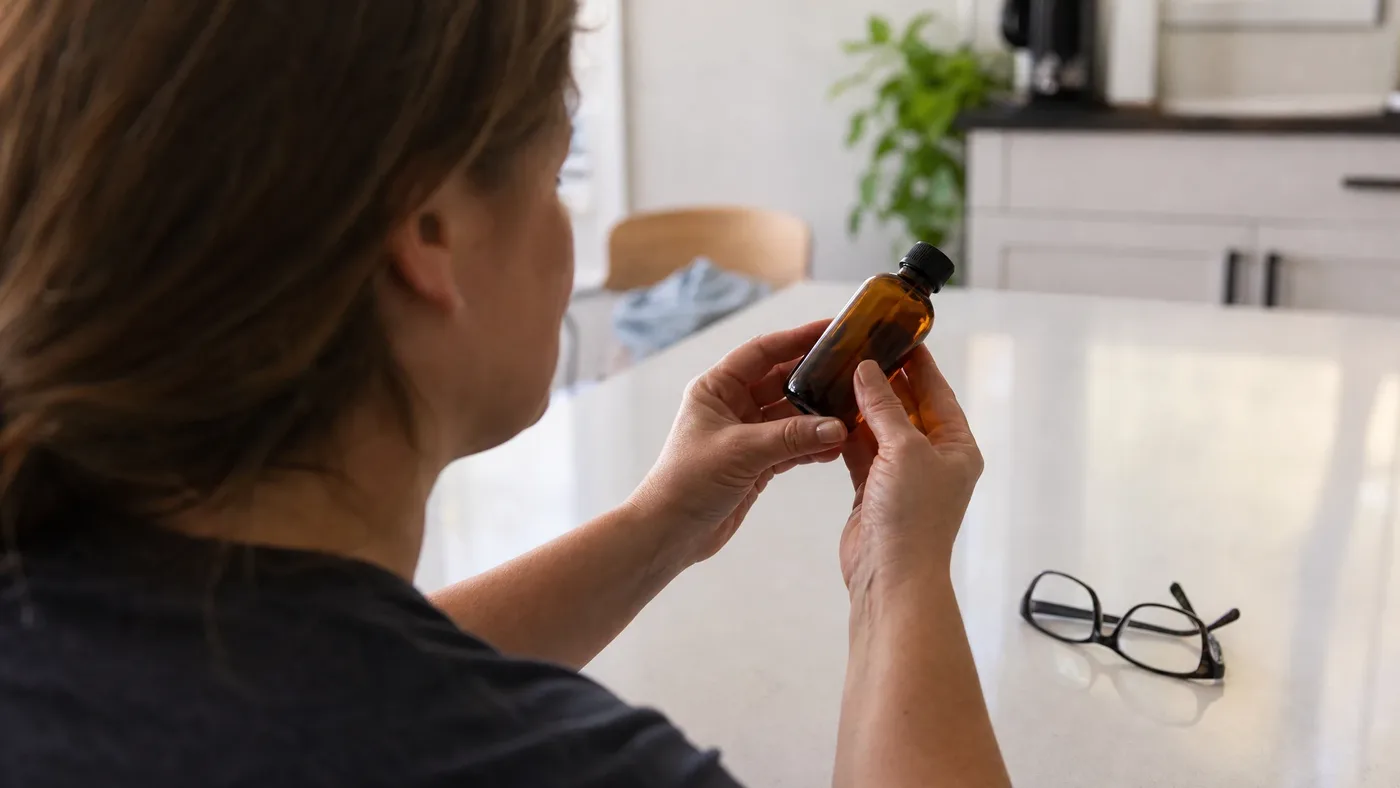
Labels are tempting because they save time. A single confident word feels like a decision made for you. But oils are specific things, and the useful details are small and ordinary: which plant, which part, when it was distilled, which lot. Think of it like reading a recipe card instead of a slogan.
What to look for instead
| On the label | What it tells you |
|---|---|
| Botanical name and plant part | Which plant and which part: Coriandrum sativum, leaf, not just "coriander" |
| Lot number | Ties a report to the bottle in your hand |
| Distillation date | How fresh the oil is |
| A GC/MS report for the lot | The oil's composition on the day it was run |
| Words like "therapeutic" or "premium" | The seller's description, not a measurement |
Our bottles carry a distillation date, a bottling date and a lot reference. The Certificate of Analysis we publish is for one batch and lists density, refractive index and optical rotation. If you need GC/MS before you order, ask us in writing through the contact page, and our GC/MS reading guide shows what to look for once you have a report. For other label words, see organic versus conventional.
The friendly test
Ask a seller three plain questions: which part of the plant, when was it distilled, and which lot is this? A seller who answers calmly and in detail is giving you something real. If the answer is mostly adjectives, you have learned what you needed to know, and you can move on without any fuss.
A last word on suitability
A report tells you what is in a bottle, not whether it suits a particular person. We suggest diluting to 0.5% to 2% for skin, patch testing first, and keeping the oil away from eyes, children and pets. It is for external use only. A dermatologist or allergist can help with skin reactions, and an OB-GYN, midwife, pediatrician, pharmacist or veterinarian can help with pregnancy, infants, medications or pets.
Treat every adjective on a label as a starting point for a question, and let the lot number and report answer it.
Cilantro Essential Oil
Cilantro Essential Oil from our own shop, in sizes from 0.5 oz to bulk.
From $13.99
Shop Now →Sources & Further Reading
- FDA. Cosmetics labeling claims. fda.gov
- FDA. Aromatherapy. fda.gov/cosmetics/cosmetic-products/aromatherapy
- ISO 3516:1997. Oil of coriander fruits (Coriandrum sativum L.). DIN Media listing
- Bhuiyan et al., 2009. Bangladesh Journal of Pharmacology 4:150-153. banglajol.info