Cilantro Olive Oil: How to Read the Label
A bottle of cilantro olive oil promises a green, herby drizzle for tacos, grilled fish or rice. It is also one of those products where the label is worth more than the brand name. The cilantro essential oil we sell is a different thing entirely, an aroma oil that is not for eating, so this guide is for people who want the food product and would like to buy a good one.
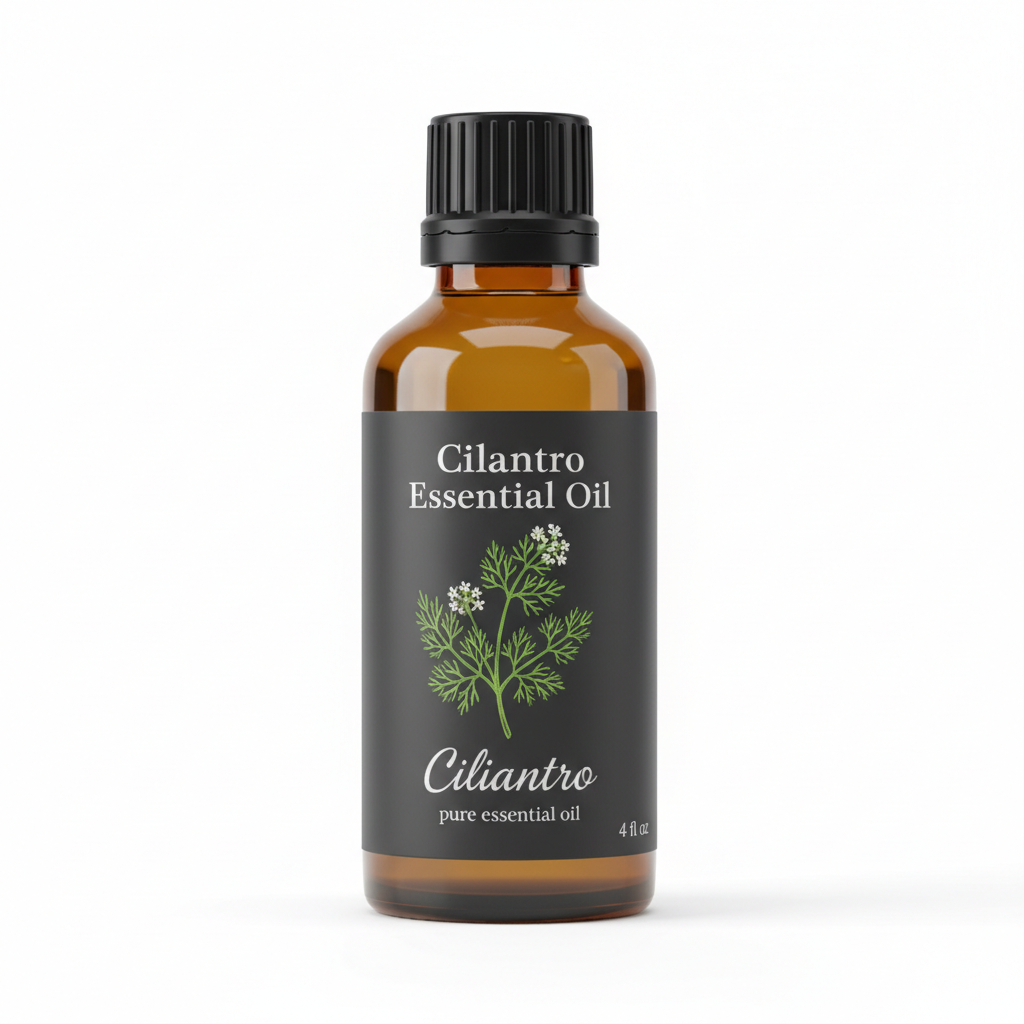
Cilantro Essential Oil
Our own Cilantro Essential Oil, in sizes from 0.5 oz to bulk.
From $13.99
Shop Now →Three bottles that sound alike
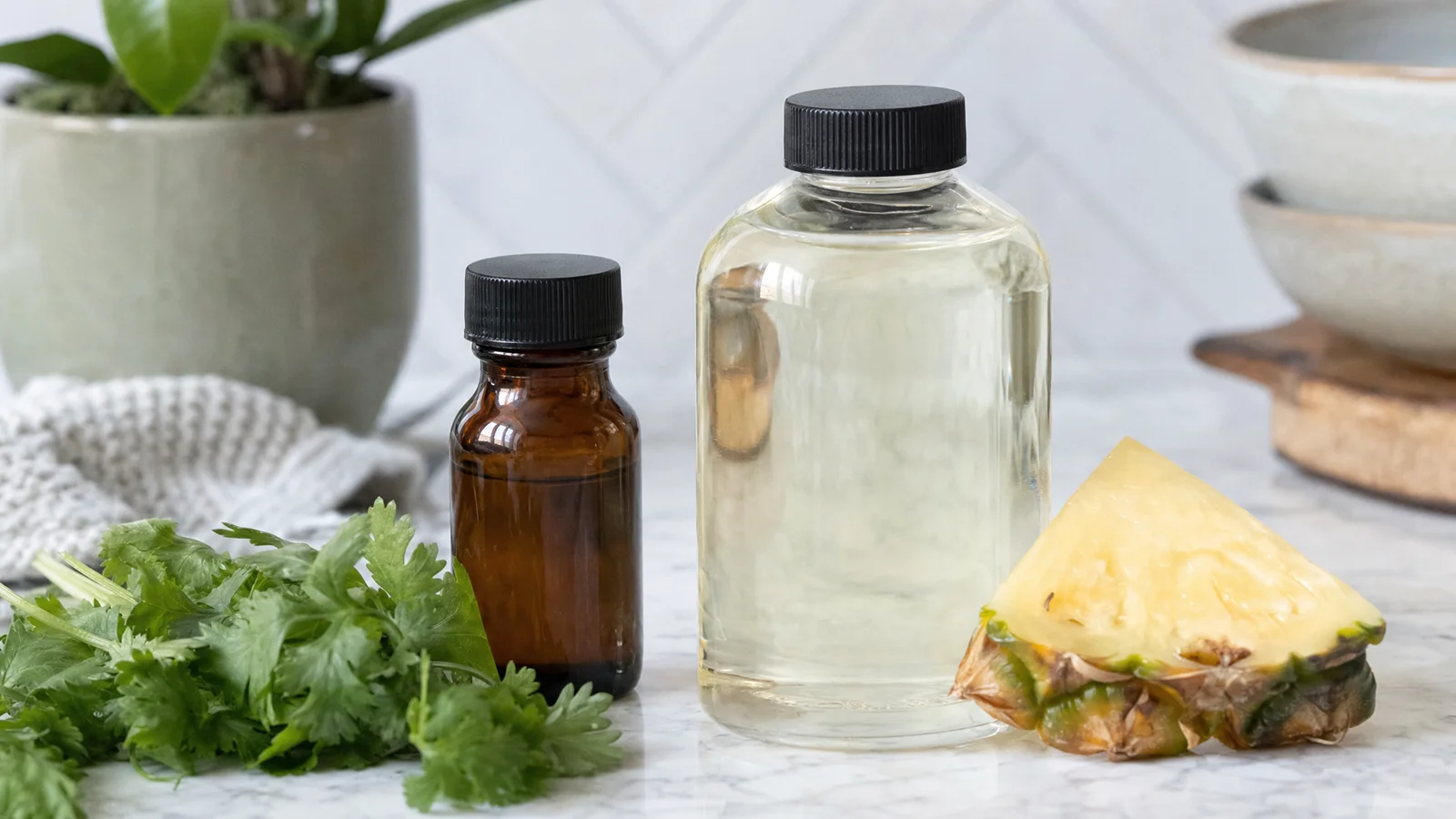
- Cilantro essential oil: a concentrated aromatic distilled from the leafy tops of Coriandrum sativum, sold neat. Ours is for aroma and diluted skin use, and we recommend 0.5% to 2% in a carrier with no internal use.
- Cilantro-infused olive oil: olive oil that has had cilantro steeped in it and then usually strained out. A kitchen or specialty food product.
- Cilantro-flavored olive oil: olive oil with a flavoring added. Whether that flavoring comes from the herb, an extract or something else is something only the ingredient list can tell you.
Keep essential oil out of the kitchen workflow. It is not a shortcut for the herb, and our post on ingesting cilantro essential oil explains why.

Read the bottle in this order
- The ingredient list. "Olive oil, cilantro" and "olive oil, natural flavor" are different products. Neither is automatically better, but you should know which you are buying.
- The storage line. "Refrigerate" or a short use-by period tells you the maker is treating the bottle as fresh food, which the next section explains.
- The dates. A best-by date and a lot code let you ask the maker about a specific bottle.
- Allergen information. Cilantro belongs to the same plant family as several other herbs and seeds, so if an allergy runs in your household, an allergist is the right person to ask. Our allergy post collects what is known.
- A way to reach the maker. A real contact route means your questions can be answered. A label full of adjectives and no address is worth a raised eyebrow.
Why herbs in oil are handled so carefully
The US CDC explains that botulism bacteria make spores that can grow where there is little oxygen, low acidity, little sugar or salt, and some water, as in improperly home-canned, preserved or fermented foods (CDC, About Botulism). Herbs submerged in oil fit that picture, which is why the CDC advises refrigerating homemade oils made with garlic or herbs and throwing them out after 4 days (CDC, home-canned foods). Health Canada adds that a spoiled oil may look, smell and taste normal (Health Canada).
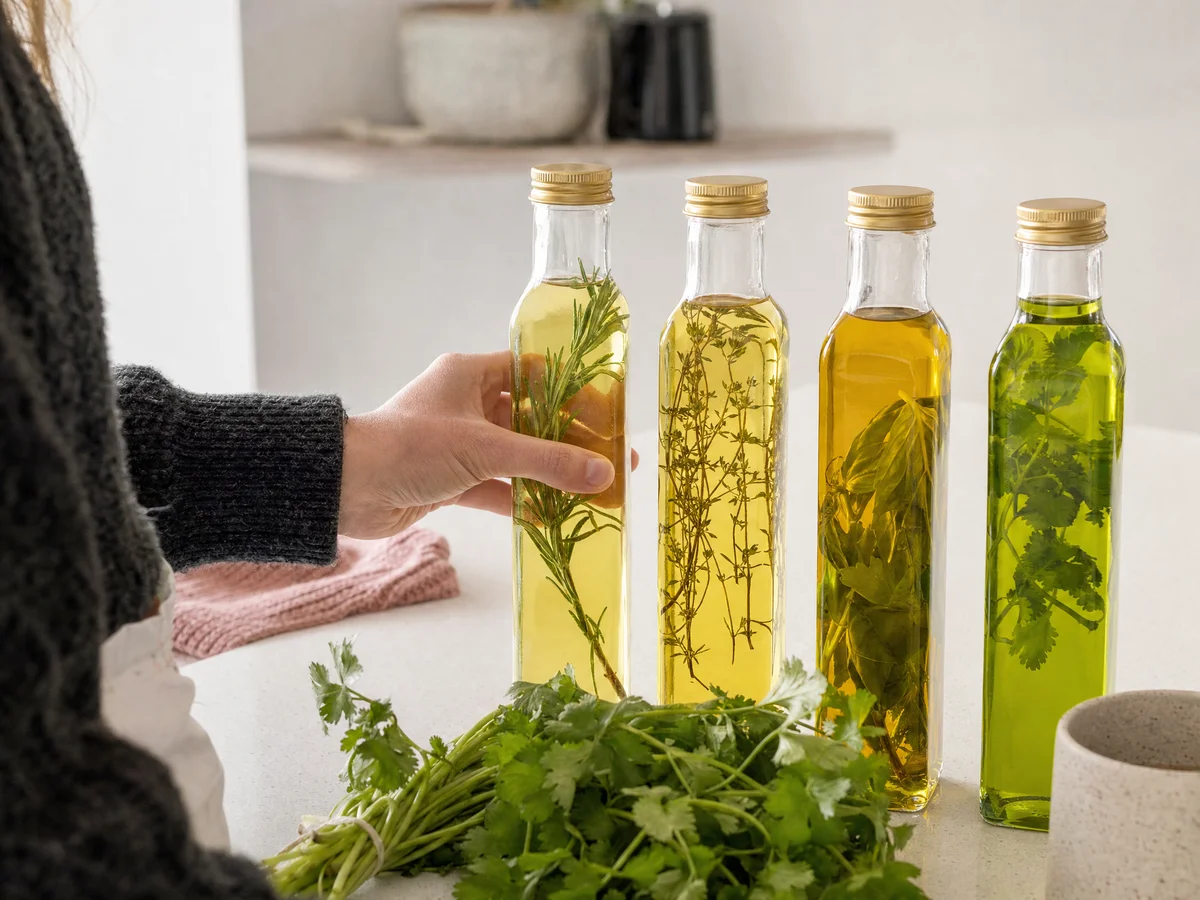
For a shopper, that translates into practical habits. A jar of homemade cilantro in olive oil sitting on a counter for weeks is exactly what those pages warn about. A commercial bottle is a different situation, since its maker controls the process, but the label and the maker should be able to explain why it is fine on a shelf. A clear answer is reassuring, and a vague one tells you to leave it.
Four questions to send the maker
- Is the cilantro in the bottle fresh, dried or an extract, and is it strained out?
- Is the bottle shelf-stable, and what makes it so?
- What is the best-by date, and does it change once the bottle is opened?
- Does the facility handle allergens that matter to you, such as tree nuts or sesame?
The second question carries the most weight. If the reply is a link to a document, read the document. If it is a friendly sentence with no detail, treat it as no answer.
A quick shelf check
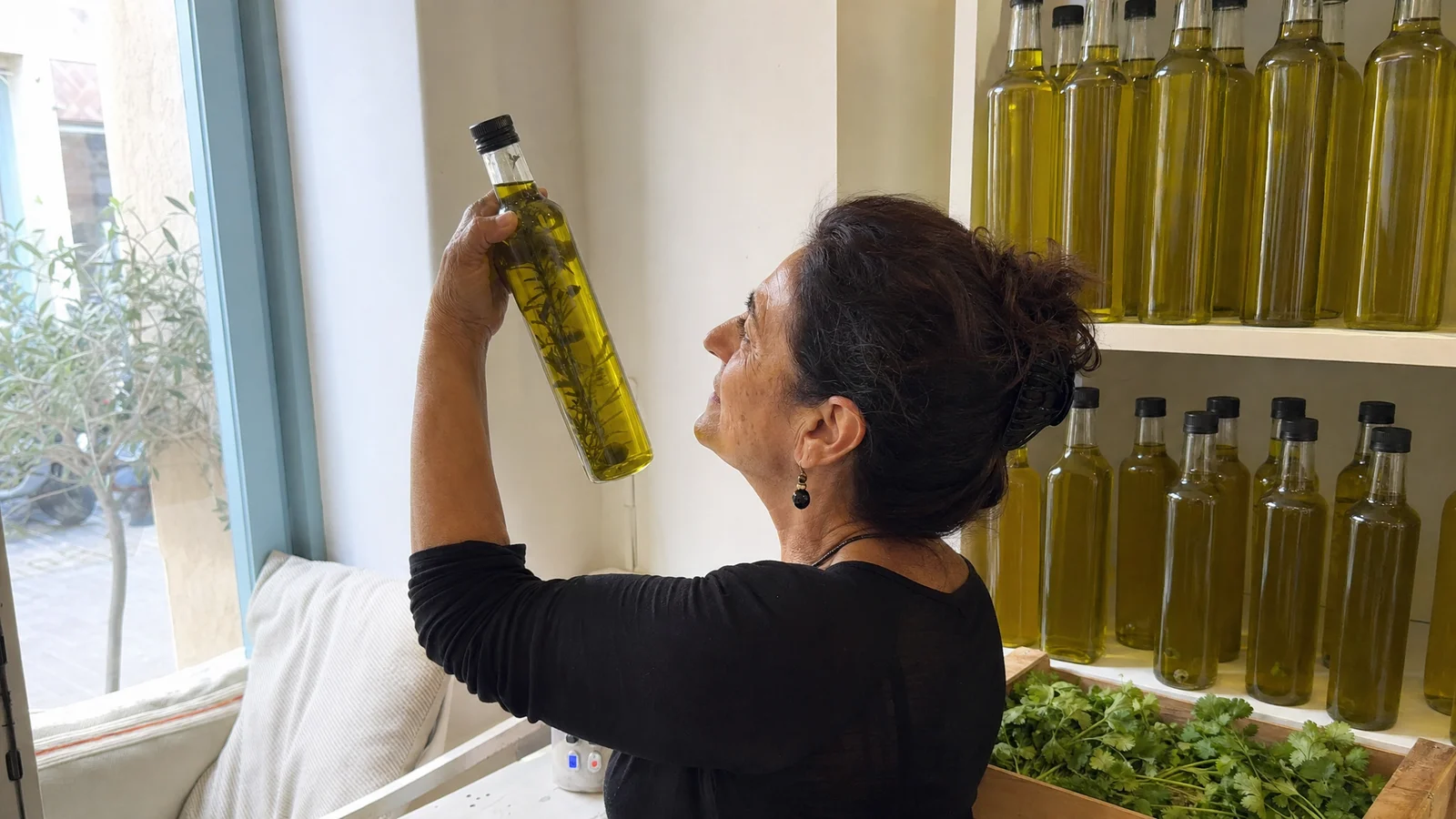
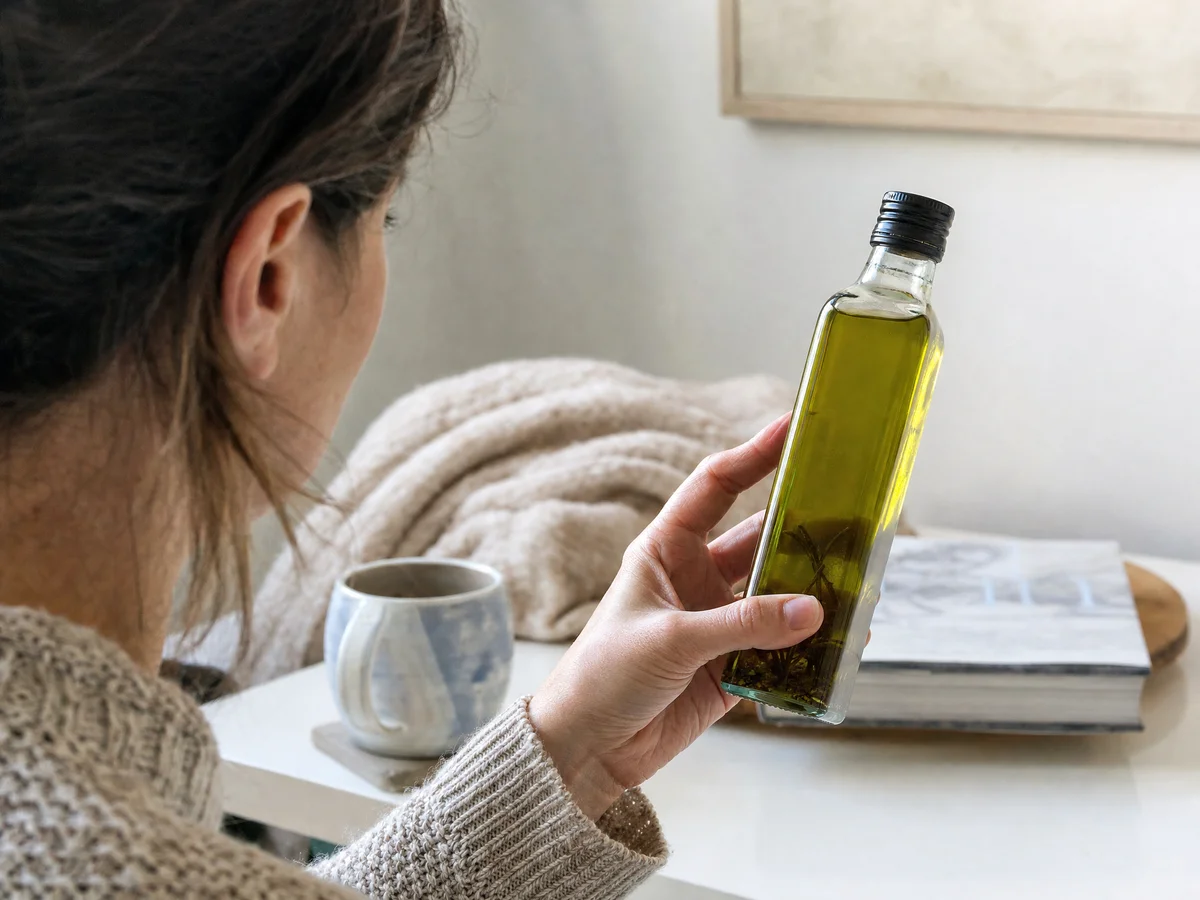
When you are standing in the aisle, pick up the bottle and turn it around. Read the ingredients before the front label, because the front is where the adjectives live. Look at the color: a vivid, bright green deserves a question about how it got there. Look for a date you can find without squinting.
Then ask whether the label sounds like a person wrote it. A short, plain description of what is in the bottle and what to do with it is usually a good sign. Pages of vague poetry about a sun-drenched garden are worth a second look.
Sometimes the best bottle is no bottle
If what you love is the taste of cilantro in oil, you can get most of the way there without storing anything. Chop fresh cilantro and stir it into plain olive oil or a dressing just before you eat, then finish it that day, or refrigerate any leftovers and follow the 4-day guidance. That is reasoning from the public-health advice above rather than a developed recipe, and it has the advantage that you taste the flavor before deciding whether a bottled version is worth buying. For a method that goes beyond that, a university extension service or your local health department is the right source, and our infused oil guide summarizes what those services publish. If you would like a sauce rather than an oil, try our cilantro olive oil sauce.
When the essential oil is what you want
If the goal is scent, for a diffuser, a candle or soap, the essential oil is the right category and the checks change: plant part, lot analysis, dates. Our buying post goes through them, the comparison with infused oil shows the two side by side, and the sizes post helps with a first bottle.
Treat flavored olive oil as the food it is, check the label for ingredients and refrigeration, and your dinner will thank you.
Cilantro Essential Oil
Cilantro Essential Oil from our own shop, in sizes from 0.5 oz to bulk.
From $13.99
Shop Now →Sources & Further Reading
- US CDC. About Botulism. cdc.gov/botulism/about
- US CDC. Preventing botulism: home-canned foods. cdc.gov/botulism/prevention
- Health Canada, 2013. Food safety tips for vegetables and herbs in oil. canada.ca