
Where to Buy Cilantro Oil Online: An Ordering Checklist
Cilantro essential oil is not the easiest oil to track down. It occupies a narrow slice of the specialty botanical market, sitting between the widely available coriander seed oil and the almost impossible-to-find fresh-leaf distillations. If you have searched for it before, you already know the frustration: vague product descriptions, inconsistent labeling, and prices that swing wildly from suspiciously cheap to inexplicably expensive.
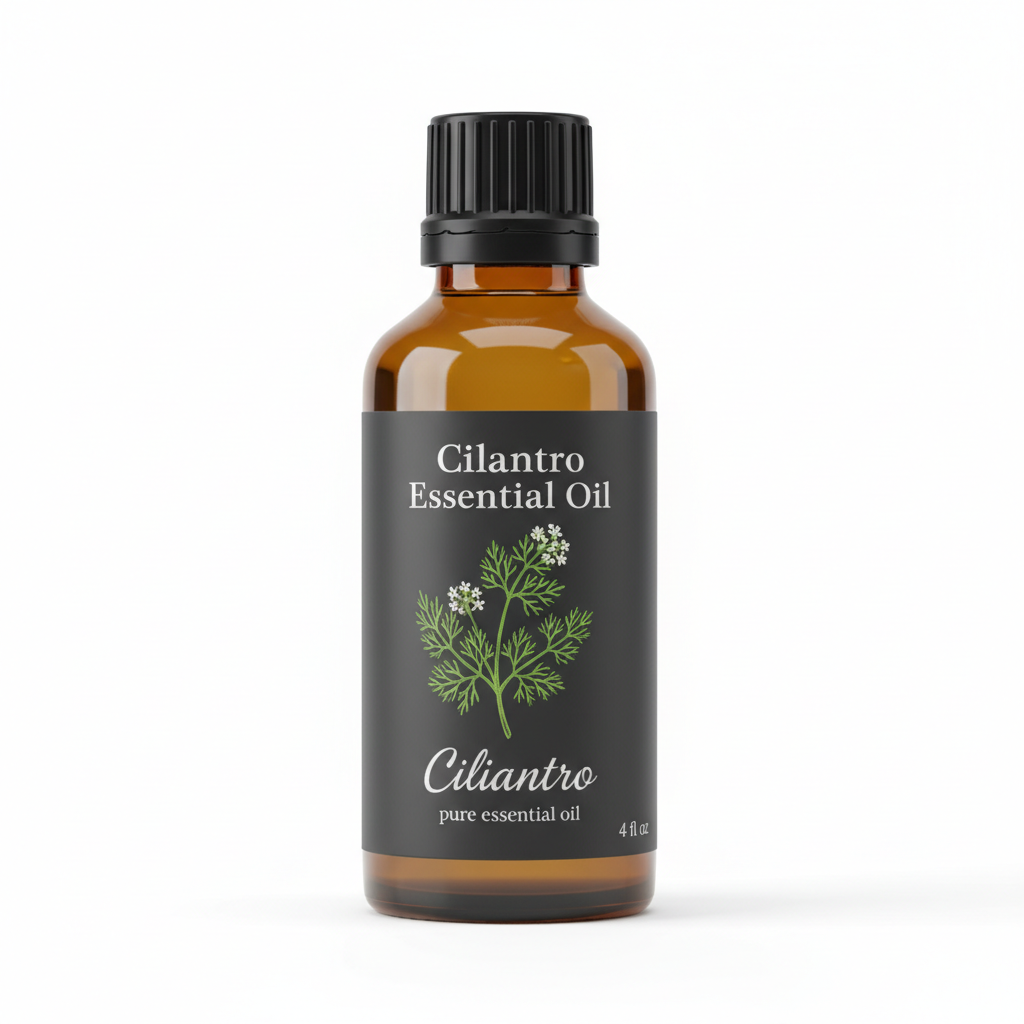
Cilantro Essential Oil
Our own Cilantro Essential Oil, in sizes from 0.5 oz to bulk.
From $13.99
Shop Now →This guide cuts through that noise. Whether you are ordering cilantro essential oil for the first time or upgrading from a disappointing purchase, the checklist below covers every meaningful quality indicator, compares the key features worth scrutinizing, and flags the red flags that should send you clicking away from a product page.
First, a Necessary Distinction: Seed Oil vs. Leaf Oil
Before you buy cilantro oil online, you need to understand one fundamental split in the product category. The cilantro plant yields two completely different essential oils depending on which part is distilled.
- Coriander seed oil is distilled from the dried seeds of Coriandrum sativum. It has a warm, woody, slightly sweet aroma with notable linalool content. It is abundantly available and often mislabeled as "cilantro oil."
- Cilantro leaf oil is distilled from the fresh green leaves and stems of the same plant. The scent is green, herbaceous, and unmistakably fresh. Aldehyde compounds (particularly decanal and dodecanal) dominate its aromatic profile and give it that characteristic bright, almost citrus-green quality that cilantro lovers recognize immediately.
Many retailers use the names interchangeably, which creates real confusion for buyers. For a deeper look at what separates these two oils at the botanical and aromatic level, the complete guide to coriander leaf essential oil covers the chemistry and sourcing differences in full.
When you are searching for fresh-leaf cilantro oil specifically, confirm that the product listing states "leaf" or "herb" in the botanical part used. If it only says "Coriandrum sativum" with no plant part noted, that is already a yellow flag.
The Quality Checklist: What to Look for Before You Order
1. Latin Name and Plant Part
Every reputable essential oil listing should display the full Latin binomial name. For cilantro leaf oil, that is Coriandrum sativum, with "leaf" or "herb" specified as the part used. No Latin name on a product page is an immediate red flag.
2. Extraction Method
Authentic cilantro leaf essential oil is steam distilled. Steam distillation preserves the delicate aldehyde compounds that give leaf oil its green, fresh character. If a product says "cold-pressed" or "CO2 extracted" and claims to be leaf oil, read the description very carefully before proceeding. CO2 extracts exist and can be high quality, but they have a different aromatic profile and should be labeled distinctly.
3. Country of Origin
Cilantro leaf oil is produced in relatively small quantities worldwide. Meaningful production regions include parts of Eastern Europe (particularly Russia and Ukraine), India, and select farms in North Africa. A product with no country of origin listed should give you pause. Origin matters because climate, soil, and harvest timing all shape the final aroma.
4. GC/MS Testing Documentation
Gas chromatography/mass spectrometry (GC/MS) testing is the industry standard for verifying essential oil composition. A trustworthy supplier will either publish GC/MS reports on their website, provide them on request, or include a batch-specific report with your order. This documentation confirms that the oil's chemical profile matches what genuine cilantro leaf oil should contain (expect decanal and dodecanal as prominent components). No testing documentation is a serious red flag, especially for a less common oil that is more vulnerable to adulteration.
5. Packaging
Essential oils degrade when exposed to light and heat. Your order should arrive in amber or cobalt blue glass bottles. Plastic bottles are not appropriate for long-term storage of undiluted essential oils, as certain compounds can interact with plastic over time. Some suppliers ship in aluminum bottles, which is acceptable. Clear glass is not.
6. Batch and Lot Numbering
Reputable suppliers track their inventory by batch. A lot number on the label means the supplier can trace that specific oil back to its origin and GC/MS data. It also signals that the company operates with enough rigor to maintain records.
Key Features to Compare Across Listings
Once you have confirmed the basics above, here are the features worth comparing side by side when you are looking at multiple suppliers.
| Feature | What to Look For | Warning Sign |
|---|---|---|
| Botanical part used | "Leaf" or "herb" stated clearly | Only says "seed" or no part listed |
| GC/MS availability | Publicly posted or available on request | No mention of testing anywhere |
| Scent description | Green, fresh, herbaceous, citrus-herbal | "Warm," "spicy," "sweet" (those describe seed oil) |
| Supplier transparency | Farm sourcing info, harvest year, origin region | No sourcing details anywhere on the site |
| Return policy | Satisfaction guarantee or sample option | All sales final, no samples available |
| Bottle size options | Multiple sizes (1 ml, 5 ml, 10 ml, 1 oz, 4 oz) | Only one size available |
If you are still figuring out which bottle volume makes sense for your usage, the guide on cilantro essential oil sizes breaks down when to order small versus when bulk makes financial sense.
Top Picks at Different Price Points
Pricing for genuine cilantro leaf oil varies considerably. Here is a realistic breakdown of what you can expect at each tier, without recommending specific brands (since availability and quality can shift).
Entry Level (under $12 for 10 ml)
This price range is where you need to be most careful. Oils in this tier are sometimes mislabeled coriander seed oils, diluted blends, or reconstituted fragrances sold as essential oils. That said, some direct-import suppliers do operate in this range with genuine product. The rule: only buy here if GC/MS documentation is publicly available. Do not rely on the scent description alone.
Mid Range ($12 to $30 for 10 ml)
This is where most quality single-origin cilantro leaf oils sit. At this price point, you can reasonably expect GC/MS testing, meaningful label information, and consistent sourcing. Many small specialty botanical suppliers operate here. Look for brands that specialize in rare or uncommon oils rather than large general-purpose essential oil retailers, who may carry cilantro as an afterthought and stock it inconsistently.
Professional and Bulk Tier ($30 and up, or larger volumes)
Perfumers, cosmetic formulators, and serious aromatherapy practitioners often buy in larger quantities directly from distillers or specialized wholesale importers. At this level, you can typically request custom GC/MS reports, sourcing certificates, and safety data sheets. If you are formulating at volume, this is the appropriate route. Expect to communicate by email rather than simply clicking "add to cart."
Red Flags to Avoid
The following signals consistently point toward a product not worth ordering. Bookmark this list and run through it before any purchase.
- Health claim overload. Any product listing that makes specific wellness promises without appropriate context is prioritizing marketing over accuracy. Focus on suppliers who describe the oil's aroma, sourcing, and chemistry rather than what it supposedly does.
- No Latin name. This is non-negotiable. If a brand cannot be bothered to list the Latin binomial, they are not operating at a professional level.
- "Cilantro oil blend" in fine print. Some products add the word "blend" quietly in the product description while the headline says "pure cilantro oil." Read the full description before ordering.
- Identical generic descriptions across a large catalog. Some marketplaces host sellers who copy-paste the same boilerplate description across dozens of oils, changing only the name. If the cilantro listing reads exactly like the lavender listing with a name substitution, that is a reliability problem.
- No expiration or best-by date. Essential oils do have a shelf life. A supplier who does not include this information is not managing quality carefully.
- Plastic droppers as the primary container. Orifice reducer caps inserted into glass bottles are fine. A product bottled in a plastic dropper bottle is not suitable for an undiluted essential oil.
Where to Buy Cilantro Oil Online: Platform Overview
When you order cilantro essential oil, the platform you choose matters as much as the brand. Here is how the main options compare.
Specialist Botanical Retailers
Companies that focus specifically on essential oils, carrier oils, and botanical raw materials are your best starting point. They typically have more rigorous sourcing standards, publish GC/MS reports, and have staff knowledgeable enough to answer sourcing questions. Search for suppliers who list cilantro leaf oil separately from coriander seed oil. If they conflate the two, shop elsewhere.
Large Marketplace Platforms (Amazon, eBay, Etsy)
These platforms are convenient but require more careful vetting on your part. The same checklist applies: Latin name, plant part, testing documentation, and professional packaging. Read seller reviews specifically for cilantro or coriander leaf oil, not just the seller's overall rating. Etsy can be a useful source for small-batch artisan distillers who offer genuinely fresh, small-volume production runs.
Direct from Distillers
For the purest sourcing chain, some small distillers sell directly to consumers, particularly through agricultural cooperative platforms or their own e-commerce sites. This route can yield exceptional freshness and traceability, though minimum order quantities may be higher. It rewards buyers who are willing to do a bit more research upfront.
Wholesale and B2B Suppliers
If you are a cosmetic formulator or product developer, buying direct from a wholesale importer gives you access to certificate of analysis documentation, larger volumes, and competitive per-unit pricing. Suppliers in this space include both domestic distributors and international fragrance ingredient companies.
A Note on Sample Orders
Given how variable cilantro leaf oil can be from batch to batch and source to source, starting with a small sample is genuinely worthwhile. Many specialty suppliers offer 1 ml or 2 ml samples at low cost. This lets you evaluate the scent profile and quality before committing to a larger volume. For a full breakdown of how to assess what you receive, the guide on quality checks for cilantro essential oil walks through hands-on evaluation once your order arrives.
Your Pre-Purchase Checklist, Summarized
- Confirm the product is distilled from Coriandrum sativum leaf or herb, not seed.
- Verify steam distillation as the extraction method.
- Check that a country of origin is listed.
- Locate GC/MS testing documentation or confirm it is available on request.
- Confirm the packaging is amber or dark glass.
- Look for a batch or lot number on the label.
- Read the scent description: it should reference green, fresh, or herbaceous notes.
- Check whether the supplier distinguishes cilantro leaf from coriander seed in their catalog.
- Review the return policy before completing checkout.
- Consider ordering a sample before committing to a larger bottle.
Cilantro leaf essential oil rewards careful sourcing. The right bottle, from the right supplier, has an aroma that is genuinely distinctive: green and bright, with that recognizable freshness that makes it so appealing in cosmetic blending and aromatic work. Take a few extra minutes with the checklist above, and you are far more likely to receive exactly that.