
Growing Cilantro for Flavor and Fragrance: From Seed to Snip
Cilantro is one of those plants that rewards patience and punishes neglect in equal measure. Get the timing right, and you'll have armfuls of bright, citrusy leaves all season long. Miss the window, and you'll watch your plant race to flower before you've had a single good harvest. This guide walks you through everything: soil prep, sowing, managing the notorious bolting problem, and harvesting cilantro leaves at peak fragrance.
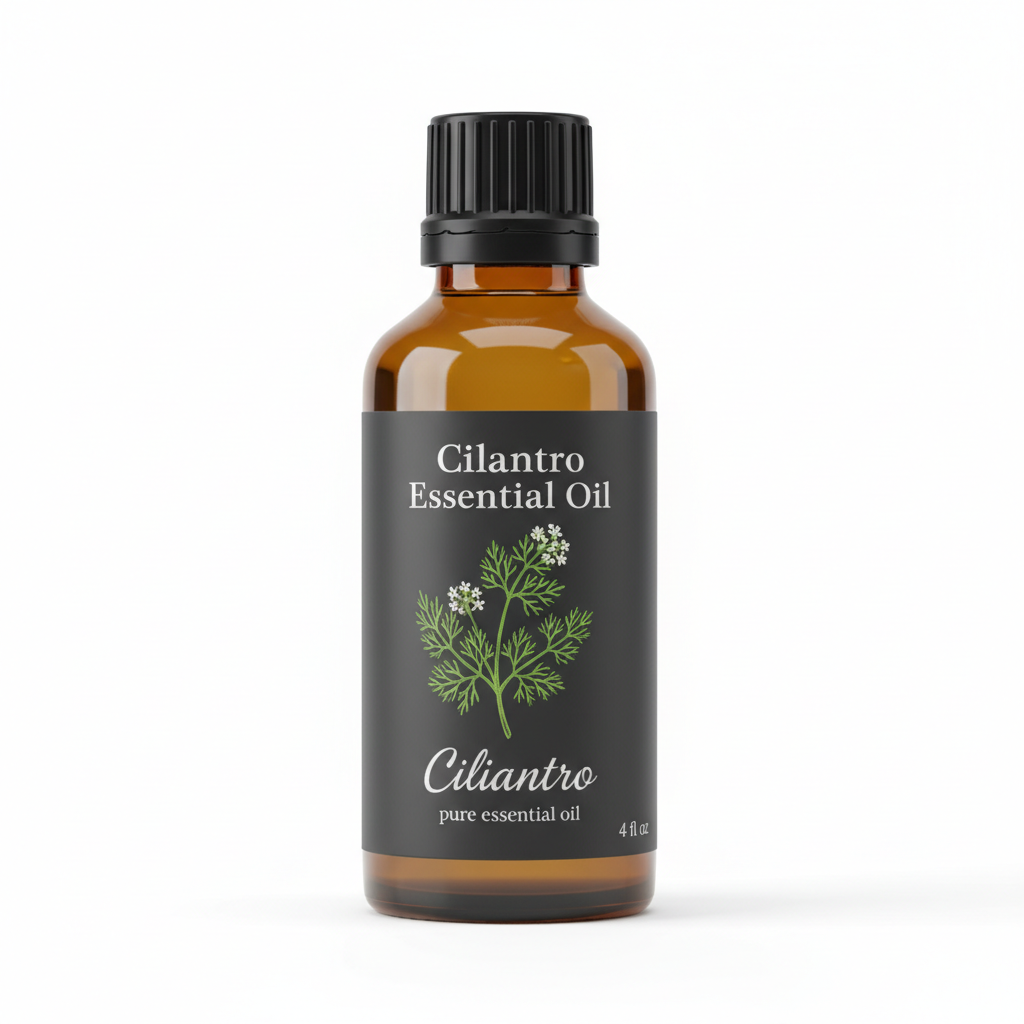
Cilantro Essential Oil
Our own Cilantro Essential Oil, in sizes from 0.5 oz to bulk.
From $13.99
Shop Now →If you've ever wondered why fresh cilantro smells so different from ground coriander seed, a quick detour through our cilantro vs. coriander explainer is worth your time before you dig in.
What You'll Need Before You Start
Gathering materials ahead of time makes the process smoother. Here's a practical list.
- Coriander seeds (the whole dried seed, not pre-ground): Look for seeds labeled "slow-bolt" or "Santo" variety if you want the longest leaf-harvesting window.
- A wide, shallow container or garden bed: Cilantro's taproot dislikes deep disturbance but appreciates horizontal room. A pot at least 8 inches wide and 8 inches deep works well.
- Well-draining potting mix or loamy garden soil: Aim for a pH between 6.2 and 6.8. Soggy roots are the fastest way to lose a planting.
- Coarse sand or perlite (optional): Mix a small amount into dense soil to improve drainage.
- Slow-release balanced granular fertilizer (optional): A light application at planting supports early growth without pushing the plant to bolt prematurely.
- A watering can with a gentle rose head: Forceful water streams can displace tiny seeds before they germinate.
- Clean scissors or snips: Sharp blades make cleaner cuts and reduce stress on the plant.
- Thin mulch layer (straw or coco coir): Helps keep soil moisture stable and roots cool.
Step-by-Step: Growing Cilantro from Seed to Snip
Step 1: Crack the Seeds Before Sowing
What most gardeners call a cilantro "seed" is technically a dried fruit containing two seeds inside. Lightly crushing the husk before planting can improve germination rates noticeably. Place seeds between two sheets of paper and roll a rolling pin over them with gentle pressure. You're looking for a slight split, not powder. Soak the lightly cracked seeds in room-temperature water for 12 to 24 hours before sowing.
Step 2: Choose the Right Season
This step matters more than most gardeners realize. Cilantro is a cool-season plant. It performs best when daytime temperatures sit between 50°F and 75°F (10°C to 24°C). Plant too late in spring, or try to grow through a hot summer, and cilantro bolting becomes almost inevitable regardless of how well you water or shade the plant.
In most temperate climates, the ideal windows are:
- Spring: Two to four weeks before your last expected frost date.
- Fall: Six to eight weeks before your first expected frost date.
Gardeners in mild coastal climates often grow cilantro nearly year-round by working around the warmest summer months.
Step 3: Sow Directly (Don't Transplant If You Can Avoid It)
Cilantro dislikes having its taproot disturbed. Direct sowing into your final container or garden bed gives the plant the best start. Sow seeds about a quarter-inch deep and roughly 2 inches apart in rows spaced 12 inches apart. Cover lightly with soil, press gently, and water in with a soft spray.
Germination typically takes 7 to 14 days depending on soil temperature. Cooler soil (around 55°F) may take closer to two weeks. Warmer soil speeds things up, but be cautious: if soil is already warm, your plants may bolt before they reach a useful size.
Step 4: Thin Seedlings Without Hesitation
Once seedlings reach about 2 inches tall, thin them to one plant every 6 inches. Crowded cilantro competes for resources and bolts faster. Thinning feels counterintuitive when seedlings look healthy, but it genuinely extends the productive life of each remaining plant. Use scissors to snip thinned seedlings at soil level rather than pulling them out, which can disturb neighboring roots.
Those thinned seedlings? They're perfectly edible. Scatter them over a salad or use them as a garnish right away.
Step 5: Water Consistently, Not Heavily
Cilantro prefers evenly moist soil rather than wet soil. A good rule of thumb: water when the top inch of soil feels dry to the touch. In hot or windy conditions, that may be every one to two days. In cool, overcast weather, every three to four days may be sufficient.
Watering in the morning allows foliage to dry before evening, which can reduce the risk of fungal issues in humid climates. Avoid overhead watering if your area has persistently damp evenings.
Step 6: Manage Cilantro Bolting Proactively
Cilantro bolting (the rapid shift from leafy growth to flower stalks and seed production) is the central challenge of growing this plant. Once the plant decides to bolt, there's no reversing it. The leaves turn feathery and lose much of their characteristic fragrance. Your job is to delay that moment as long as possible.
Key strategies to slow bolting:
- Keep roots cool. A 2-inch layer of mulch around the base of plants can moderate soil temperature significantly during warm spells.
- Provide afternoon shade in warmer months. A shade cloth that blocks 30% to 40% of direct sun can extend the leafy phase by one to three weeks.
- Harvest regularly. Frequent, light harvesting signals the plant to keep producing leaves rather than rushing to set seed.
- Succession sow every 2 to 3 weeks. Rather than fighting one planting through an entire season, stagger multiple small sowings so fresh plants are always coming up as older ones bolt.
- Choose slow-bolt varieties. Varieties like "Slow-Bolt", "Calypso", and "Leisure" are bred specifically to stay in the leafy stage longer than standard seed packets.
If a plant does bolt despite your efforts, let it go. Allow the flowers to form (they attract beneficial insects) and then let the seeds mature fully on the stalk. Collect those seeds: they're coriander, which has its own wonderful place in the kitchen and in fragrance work. You can read more about how these two harvests relate in our full guide to cilantro and coriander as one plant.
Step 7: Harvesting Cilantro Leaves at the Right Moment
Harvesting cilantro leaves at peak fragrance is more about technique and timing than luck. Here's how to do it well.
When to harvest: Begin harvesting once plants are 6 inches tall and have developed several sets of leaves. The outer stems are generally ready first. Morning is the best time to snip, after any dew has dried but before the afternoon sun has warmed the leaves. Volatile aromatic compounds are most concentrated in cooler morning hours.
How much to take: Never remove more than one-third of the plant at a single harvest. Taking too much at once stresses the plant and can accelerate bolting. Snip individual outer stems rather than shearing the whole plant at once.
Where to cut: Cut stems at the base near soil level, or just above a leaf node higher up the stem. Both approaches encourage new lateral growth. Avoid leaving short, dry stubs, which can invite disease.
What to do immediately after: Place freshly cut stems in a glass of cool water right away, like a bouquet, if you're not using them immediately. Loose leaves can be wrapped in a slightly damp paper towel and refrigerated for up to a week. For longer preservation, see our guide on preserving cilantro in oil to lock in garden freshness.
Common Mistakes to Avoid
| Mistake | Why It Happens | What to Do Instead |
|---|---|---|
| Starting from transplants | Convenience, or not realizing cilantro resents transplanting | Direct sow whenever possible; if using transplants, handle roots with extreme care |
| Planting in full summer heat | Wanting fresh cilantro at peak grilling season | Plan ahead with spring or fall sowings; use succession planting |
| Overwatering | Assuming more water means faster growth | Check the top inch of soil before each watering |
| Waiting too long to harvest | Wanting the plant to "fill out" first | Start harvesting at 6 inches; regular snipping extends the leafy phase |
| Pulling rather than cutting thinnings | Habit from other garden tasks | Always use scissors at soil level to protect neighboring roots |
| Ignoring succession sowing | Not realizing how quickly cilantro completes its lifecycle | Set a calendar reminder to sow a new batch every 2 to 3 weeks |
What to Expect from a Well-Tended Planting
A single planting of cilantro in good conditions may produce harvestable leaves for 3 to 6 weeks before bolting. With a shade cloth and consistent cool soil, some gardeners report stretching that window to 8 weeks or more. Succession sowings can keep fresh cilantro coming continuously from early spring through early summer, and again in early fall.
The fragrance of freshly snipped cilantro leaf is one of the most distinctive aromas in the herb garden: bright, citrus-forward, slightly green, with a faint soapy edge that divides opinion but is unmistakably alive. That freshness comes from a specific set of volatile compounds that begin degrading the moment the leaf is cut. Harvesting at the right moment and using the leaves quickly (or preserving them promptly) makes the difference between cilantro that genuinely brightens a dish and cilantro that's just there.
A note on fragrance and essential oil: The aromatic compounds in fresh cilantro leaf are captured in cilantro leaf essential oil through steam distillation of the fresh, green plant material. The resulting oil carries a fragrance profile quite different from coriander seed oil, which comes from the dried seeds of the same plant. Growing your own cilantro gives you a direct, sensory connection to what makes that oil so distinctive.
Keeping the Cycle Going
The best cilantro growers think in cycles, not single plantings. Sow, harvest, let one plant bolt and collect seeds, then sow those seeds in the next cool window. Over a season or two, you'll develop an intuitive feel for exactly when your particular microclimate is ready for a new round and exactly which moment in the morning your plants smell the very best. That knowledge is its own kind of harvest.