
How to Preserve Cilantro in Oil: Keep the Garden Flavor Longer
Fresh cilantro has a short window. Buy a bunch on Monday, and by Thursday it may be yellowing at the tips, softening into something that belongs in the compost bin rather than your cooking. If you grow cilantro in your garden, the problem compounds: the plant bolts fast in warm weather, and suddenly you have more than you can use in a week.
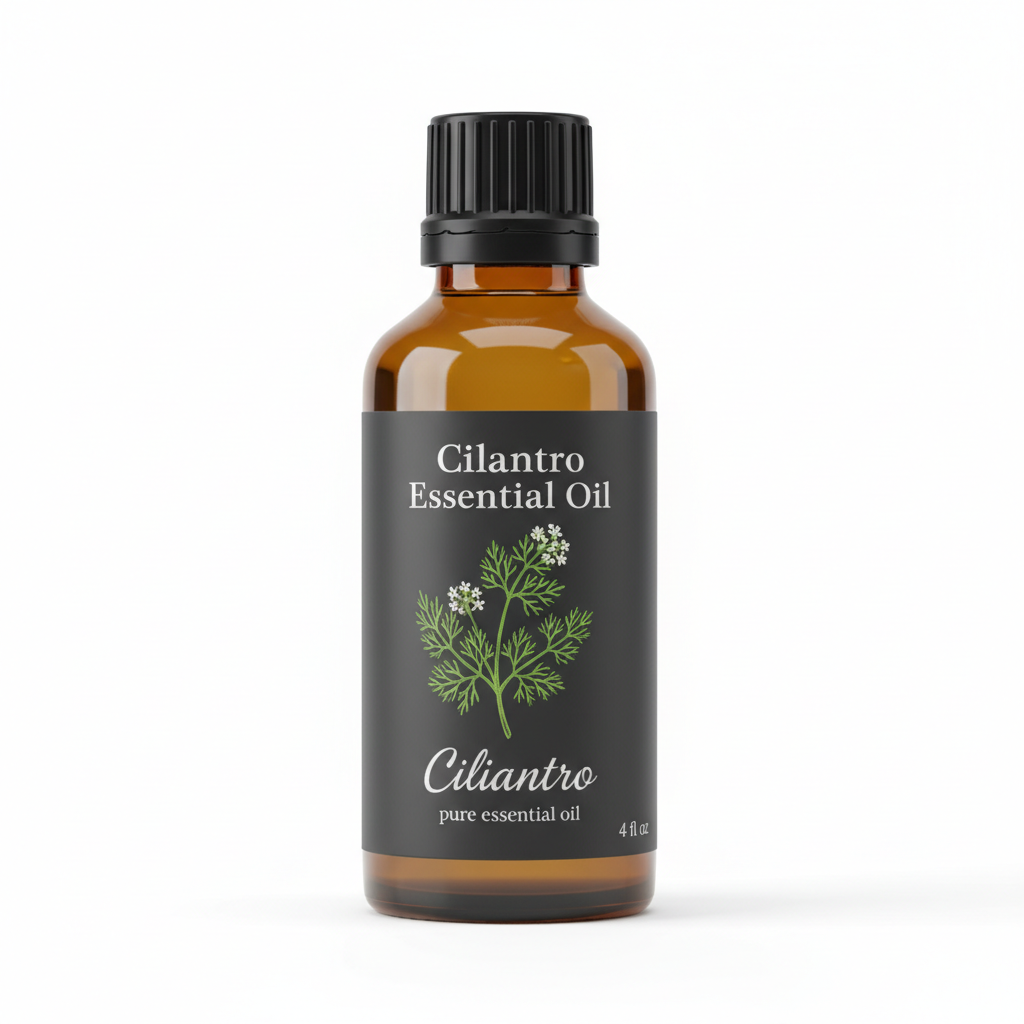
Cilantro Essential Oil
Our own Cilantro Essential Oil, in sizes from 0.5 oz to bulk.
From $13.99
Shop Now →Preserving cilantro in oil is one of the most reliable ways to stretch that fresh, green, citrusy character into your pantry for weeks or months. The oil acts as a protective barrier, slowing oxidation and locking in the volatile aromatic compounds that give cilantro its distinctive scent. The result is a fragrant, flavorful product you can spoon directly into soups, grain bowls, marinades, and sauces without thawing or rehydrating.
This guide walks you through the full process: what you need, how to do it safely, and what to watch for along the way.
Why Preserve Cilantro in Oil?
Drying cilantro strips away most of what makes it worth using. The dried herb is noticeably flat compared to fresh, losing much of its bright, lemon-forward character. Oil preservation takes a different approach: it suspends the herb in a medium that holds its aroma compounds close rather than allowing them to evaporate.
The oil you choose also absorbs those aromatic compounds over time, becoming fragrant on its own. A good cilantro-infused oil can pull double duty in your kitchen: use the herb solids in cooked dishes, and drizzle the oil itself over finished plates for a subtle, grassy finish.
If you want to go deeper on the infusion side of things, the complete kitchen guide to making cilantro-infused oil covers flavor ratios, oil pairings, and finishing techniques in much more detail.
An Important Food Safety Note
Before the materials list, a clear word on safety. Fresh herbs in oil can, under certain conditions, create an environment that supports bacterial growth. This is not a reason to avoid the method. It is a reason to follow the steps below carefully, keep your preserved cilantro refrigerated at all times, and use it within the recommended window.
- Never store herb-in-oil preparations at room temperature for extended periods.
- Always use clean, dry equipment.
- Label your jars with the date.
- When in doubt, discard. A jar that smells off or shows unexpected cloudiness beyond normal herb sediment should not be used.
Blanching the cilantro before combining it with oil (covered in the steps below) is a simple precaution that also helps preserve the herb's vivid green color.
What You Will Need
Ingredients
- 1 to 2 large bunches of fresh cilantro (approximately 2 to 3 cups of loosely packed leaves and tender stems)
- 1/2 to 3/4 cup of your chosen oil (see notes below)
- A pinch of fine sea salt (optional, helps with color retention)
Equipment
- Large pot for blanching
- Bowl of ice water
- Salad spinner or clean kitchen towels
- Blender or food processor
- Fine mesh strainer or cheesecloth (if making infused oil rather than a herb paste)
- Clean glass jars with tight-fitting lids (4-ounce or 8-ounce wide-mouth mason jars work well)
- Ice cube trays with lids (optional, for portioned freezing)
- Marker and labels
Choosing Your Oil
Extra-virgin olive oil is the most popular choice for preserving cilantro in olive oil. Its slight fruitiness pairs naturally with cilantro's citrus notes, and it has enough body to hold the herb material in suspension. The tradeoff is that olive oil solidifies in the freezer, which affects texture when you go the frozen cube route.
Neutral oils, such as grapeseed, avocado, or a refined light olive oil, are good alternatives when you want the cilantro flavor to read clearly without any competing notes. They also freeze more smoothly, making them easier to scoop directly from cold storage.
Step-by-Step: How to Preserve Cilantro in Oil
Step 1: Wash and Sort the Cilantro
Start with the freshest cilantro you can find. Garden-cut cilantro should go from stem to sink within an hour of harvesting if possible. Store-bought cilantro benefits from a cold soak: submerge the whole bunch in a bowl of cold water for five minutes to revive any wilting and dislodge surface grit.
Shake off the excess water, then sort through the bunch. Remove any yellowed or slimy leaves. You do not need to strip every leaf from the stems. The tender upper stems carry a lot of flavor and blend smoothly. Thicker, lower stems can be discarded or saved for stock.
Step 2: Blanch Briefly
Bring a large pot of water to a rolling boil. Have your ice water bowl ready beside the stove.
Add the cilantro to the boiling water. Count to fifteen. Pull it out immediately using a spider strainer or tongs, and plunge it straight into the ice bath. This brief heat exposure deactivates the enzymes that cause browning and dulls any surface microorganisms, while the ice bath stops the cooking before the cilantro turns mushy.
Let the cilantro sit in the ice water for two minutes, then transfer it to a salad spinner. Spin thoroughly. Lay the cilantro on a clean kitchen towel and pat it as dry as you can. Excess moisture dilutes your oil and shortens shelf life.
Step 3: Blend with Oil
Add the blanched, dried cilantro to a blender or food processor. Pour in the oil, starting with the smaller amount (half a cup) and adding more as needed to get the blades moving. Add a pinch of sea salt if you like.
Blend on high for 30 to 45 seconds. You are looking for a smooth, evenly combined puree with no large leaf fragments remaining. The mixture should be bright green. Scrape down the sides once or twice to make sure everything is incorporated evenly.
At this stage, you have a cilantro-oil puree. You can use it as-is (keeping the herb solids in the mixture) or strain it to produce a cleaner infused oil. Both are useful. The puree is richer in flavor and works beautifully in sauces and marinades. The strained oil is more versatile for finishing and drizzling.
Step 4: Choose Your Storage Method
You have two main paths here.
Refrigerator Storage (Short-Term)
Transfer the puree or strained oil into clean glass jars. Leave about half an inch of headspace. Wipe the jar rims clean before sealing. Refrigerate immediately.
Cilantro preserved in oil this way generally keeps well for up to two weeks in the refrigerator. The surface of the oil may darken slightly with exposure to air. A thin layer of fresh oil poured over the top of the jar can slow this process. Always use a clean spoon to scoop from the jar rather than letting herbs from other dishes fall in.
Freezer Storage (Long-Term)
For longer preservation, the freezer is your best option. Spoon the puree into ice cube trays, filling each cavity about three-quarters full. Cover with plastic wrap or a tray lid, and freeze until solid (usually four to six hours).
Once frozen, pop the cubes out and transfer them to a labeled freezer bag or airtight container. This portioned approach is practical for everyday cooking: pull one or two cubes as needed without defrosting the whole batch.
The guide to freezing cilantro in oil as flavor cubes goes into further detail on cube sizing, tray types, and the best ways to incorporate frozen cubes into hot dishes.
Tips for Better Results
Use a High-Speed Blender if You Have One
A high-speed blender produces a noticeably smoother, more emulsified result than a standard food processor. The finer the blend, the more evenly the oil carries the herb flavor. If your food processor leaves the mixture slightly coarse, that is still perfectly usable. The texture just varies.
Keep Quantities Manageable
It can be tempting to process a massive harvest all at once. Smaller batches are easier to blend evenly and fill jars more cleanly. Work in two-bunch batches rather than trying to cram six bunches into one blender jar.
Label Everything
Write the date on every jar and every freezer bag. A two-week-old jar of cilantro oil looks identical to a two-month-old one. Labeling is a small step that prevents waste and guesswork.
Dry the Cilantro as Thoroughly as Possible
This point deserves repeating. Water in the jar shortens shelf life and can cause the oil to look murky faster. After spinning, let the cilantro air-dry on a towel for five to ten minutes before blending if you have time.
Common Mistakes to Avoid
Skipping the Blanching Step
Raw cilantro blended into oil will brown faster and may develop off-flavors within a few days. The brief blanch is a minor step with a meaningful payoff in color and longevity.
Storing at Room Temperature
Fresh herb-in-oil preparations belong in the refrigerator or freezer. The pantry shelf is not appropriate for this type of product. Refrigerate immediately after jarring.
Using a Dull Blender
An old blender with worn blades may not break down the herb material finely enough, leaving fibrous bits that affect texture. If your blender struggles, add a small splash more oil to help the mixture move and blend in shorter pulses with rests in between.
Forgetting to Taste Before Storing
Taste the puree before it goes into jars. Cilantro's flavor intensity varies between batches. A little extra oil can mellow an overpoweringly strong batch; a little more cilantro can brighten a mild one. Adjust while you still have the blender out.
What to Expect from Your Preserved Cilantro Oil
The finished product should be intensely fragrant: bright, grassy, with the characteristic lemon-coriander edge that makes cilantro so recognizable. The color should be vivid green when fresh, deepening slightly to olive-green after a few days in the refrigerator. This color shift is normal and does not affect flavor quality.
In cooking, the oil integrates easily into warm dishes. Added to a hot pan or stirred into a finished soup, it blooms quickly, distributing the herb's aroma throughout. A spoonful in a grain bowl or drizzled over avocado toast brings the same brightness as fresh cilantro with none of the wilt.
Once you have a batch of cilantro oil in the freezer, you will find it changes how you cook. Having a reliable, ready-to-use herb base on hand makes weeknight meals more layered without extra prep time.
For guidance on getting the longest possible life from your preserved batches and keeping the flavor fresh right up to the last spoonful, the complete guide to storing cilantro oil and understanding shelf life is a practical next read.
A Quick Reference Summary
| Storage Method | Approximate Shelf Life | Best Use |
|---|---|---|
| Refrigerator (jar) | Up to 2 weeks | Frequent, daily use |
| Freezer (cubes) | Up to 3 months | Long-term batch storage |
| Freezer (jar, strained oil) | Up to 4 months | Finishing oil, drizzling |
Knowing how to preserve cilantro in oil is one of those kitchen skills that pays off every season. The method is low-effort, the materials are inexpensive, and the result is a pantry staple that makes good cooking easier. Start with a single bunch, work through the steps once, and you will have a clear sense of how it fits into your routine from there.