How to Store Cilantro Oil: Shelf Life and Freshness Tips
You opened a fresh bottle of cilantro essential oil, took one bright, green-herbal sniff, and immediately understood the appeal. Now the question is: how do you keep it smelling exactly like that six months from now? Cilantro oil storage is one of those topics that sounds straightforward until you lose a beautiful bottle to oxidation or a cloudy infusion to spoilage. This guide walks you through everything you need to know, whether you are storing a purchased essential oil or a homemade infused oil you crafted in your own kitchen.
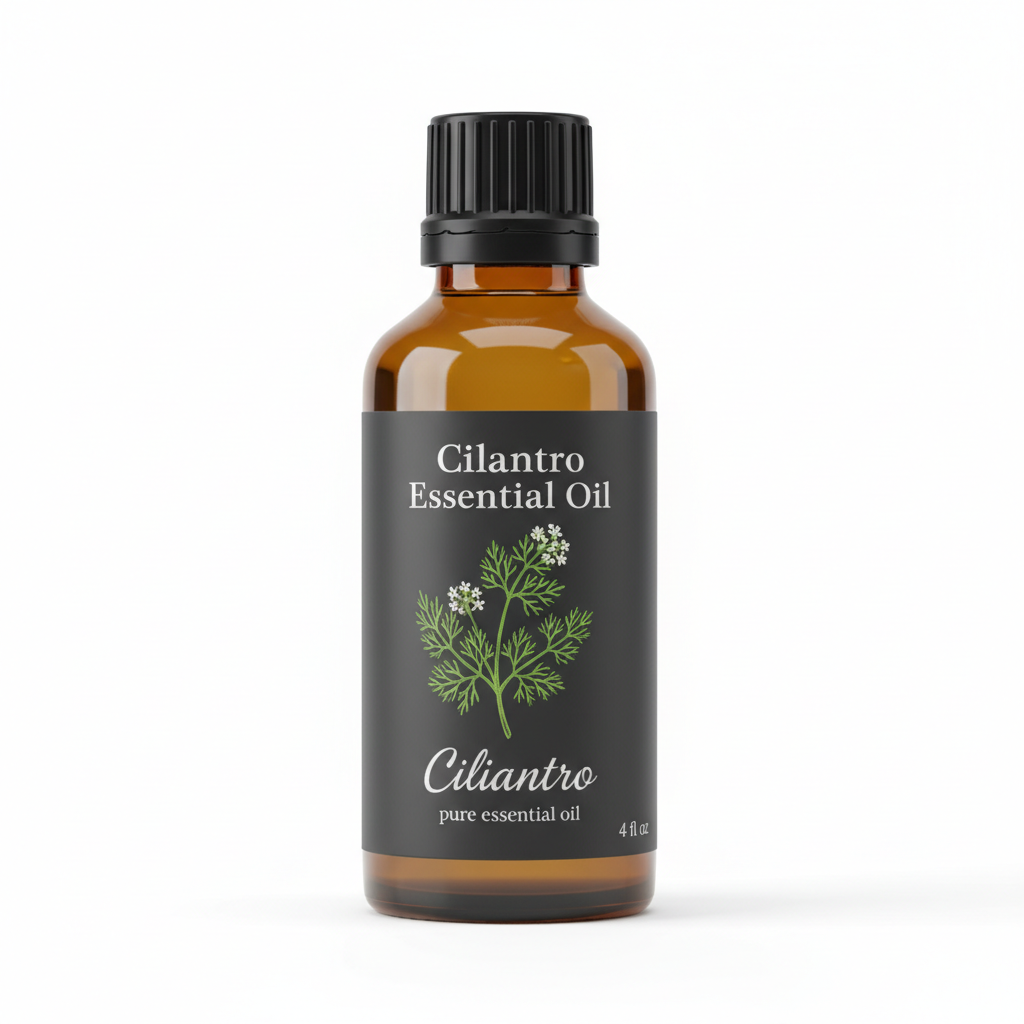
Cilantro Essential Oil
Our own Cilantro Essential Oil, in sizes from 0.5 oz to bulk.
From $13.99
Shop Now →Why Proper Storage Matters for Cilantro Oil
Cilantro oil, whether it is a steam-distilled essential oil or an herb-infused carrier oil, is a living product in a chemical sense. Its aromatic compounds shift over time when exposed to heat, light, and oxygen. The primary volatile components in cilantro leaf essential oil, including linalool and various aldehydes, are especially vulnerable to oxidation. Once those compounds degrade, the scent flattens, turns musty, or develops an unpleasant rancid note.
Beyond the aromatic experience, oxidized oils used in skin-care blends may increase the likelihood of skin sensitivity. That alone is reason enough to take cilantro oil shelf life seriously from day one.
Cilantro Essential Oil vs. Cilantro-Infused Oil: Different Rules Apply
Before diving into steps, it helps to be clear about which product you have. The storage principles overlap, but the shelf lives differ significantly.
- Cilantro essential oil (distilled): A concentrated aromatic extract. No carrier oil is present. Shelf life is typically one to two years when stored correctly, though some sources cite up to three years for a well-sealed, refrigerated bottle.
- Cilantro-infused oil: Fresh or dried cilantro steeped in a carrier oil such as olive, sunflower, or avocado. The carrier oil determines the baseline shelf life. Expect six to twelve months for most carrier oils, and sometimes less if fresh plant material was used. For a full walkthrough on making your own, see our cilantro-infused oil kitchen guide.
The steps below apply to both types, with notes where the approach diverges.
What You Will Need
- Dark glass bottles (amber or cobalt blue), in 5 ml, 10 ml, or 30 ml sizes
- Tight-fitting lids or orifice reducer caps (for essential oils)
- A cool, dark storage location such as a cabinet or drawer away from the stove
- Adhesive labels and a permanent marker
- Optional: a small dedicated refrigerator or wine cooler for long-term storage
- Optional: oxygen-absorbing packets for bulk infused oil storage
Step-by-Step: How to Store Cilantro Oil
Step 1: Choose the Right Container
Glass is non-negotiable. Essential oils in particular will degrade certain plastics over time, and even if the container survives visually, chemical leaching is a real concern. Amber glass is the classic choice because it filters out ultraviolet light, which is one of the primary triggers for oxidation. Cobalt blue glass offers similar protection and looks beautiful on a shelf, though it provides slightly less UV filtering than amber.
For infused oils, wide-mouth amber jars work well for storage, with a pour-spout bottle reserved for active use. Keep the main supply sealed until you need it.
Step 2: Minimize Headspace
Oxygen is the enemy of freshness. The more empty space sitting above your oil inside the bottle, the more oxygen is in contact with the product. As you work through a bottle of essential oil, consider transferring the remainder into a smaller container. This single habit can meaningfully extend cilantro oil shelf life. A 30 ml bottle that is three-quarters empty is better off in a 10 ml bottle topped off and sealed tight.
Step 3: Seal Every Time
It sounds obvious, but caps left slightly loose are a common source of premature degradation. After every use, press the cap down firmly or thread it all the way closed. For essential oils with orifice reducers, check that the reducer itself is seated properly. A poorly fitted reducer allows more air exchange than you might expect.
Step 4: Store in a Cool, Dark Location
Heat accelerates the chemical reactions that break down aromatic compounds. Light, especially direct sunlight, does the same. A kitchen spice drawer, a closed cabinet, or a dedicated essential oil box all work well. The bathroom medicine cabinet is a popular choice, but steam from showers raises both temperature and humidity regularly. That repeated cycle is hard on sensitive oils.
Ideal storage temperature for most cilantro oils is between 60 and 75 degrees Fahrenheit (15 to 24 degrees Celsius). Consistent cool temperatures are more important than hitting an exact number.
Step 5: Consider Refrigeration for Infused Oils
For cilantro-infused oils, refrigeration is one of the best tools available. Cold temperatures slow the oxidation of carrier oils and significantly reduce the risk of spoilage, particularly if fresh herb material was used during infusion. Store your infused oil in the refrigerator in a well-sealed amber bottle or jar. Many carrier oils will thicken or even solidify when chilled. This is normal. Simply remove the bottle and allow it to come to room temperature before use.
If you made cilantro flavor cubes for cooking rather than aromatic or cosmetic use, the freezer extends shelf life even further. Our guide on freezing cilantro in oil for flavor cubes covers that process in detail.
Step 6: Label with the Date
Memory is unreliable. Label every bottle with the purchase or production date, and add an estimated use-by date based on the expected shelf life. A simple label with two dates takes ten seconds to write and saves you from guessing whether a bottle is still at its best six months later.
For homemade infused oils, also note the carrier oil used. Oils with shorter shelf lives, such as flaxseed or hemp seed, need to be used faster than more stable options like jojoba or sunflower.
Step 7: Perform Regular Scent Checks
Your nose is a reliable freshness gauge. Every few months, open the bottle and smell the oil directly. Fresh cilantro essential oil has a crisp, green, slightly citrus-edged scent. Infused cilantro oil should smell clean and herbaceous with the character of the carrier oil underneath. Warning signs include:
- A flat or muted scent with little brightness
- A rancid, crayon-like, or sour odor
- Any visible cloudiness or sediment in an essential oil (not the same as natural cloudiness in cold-pressed infused oils)
- Color changes toward dark brown or murky green in an infused oil
If you notice any of these signs, it is time to retire the bottle. Oxidized oils are not worth using in cosmetic blends or diffuser recipes.
Common Mistakes to Avoid
Storing Near the Stove or Oven
Heat spikes from cooking are more damaging than a consistently warm room. A cabinet directly above or beside the stove is one of the worst spots in the kitchen. Even if the temperature only climbs during cooking, the repeated heat exposure adds up quickly.
Using Clear Glass Bottles
Clear glass is fine for display, not for storage. Even indirect indoor light contributes to oxidation over time. If a beautiful clear bottle came with your purchase, transfer the oil to amber glass for storage and refill the clear bottle for daily use in small quantities.
Buying in Bulk Without a Plan
Larger bottles are economical, but only if you can use the oil within its shelf life window. A 100 ml bottle of cilantro-infused oil purchased at a discount is no bargain if half of it oxidizes before you reach it. Buy in amounts proportional to your actual use rate. For most home users, smaller bottles replaced more frequently produce better quality results than large bottles stored over years.
Skipping the Refrigerator for Fresh-Herb Infusions
Fresh cilantro contains water. Water in an oil-based infusion creates conditions that can encourage microbial growth faster than a dry-herb infusion would. Refrigeration is not optional for fresh-herb infused oils. It is the minimum precaution. For more on keeping herbal infusions vibrant, see our article on preserving cilantro in oil.
Expected Results with Good Storage Practices
When cilantro essential oil is stored correctly, most users report that the scent remains bright, fresh, and recognizably herbal well past the one-year mark. Some oils, kept refrigerated and consistently sealed, may hold their character for closer to two years. Results vary depending on the quality of the original distillation and the conditions in your specific storage space.
For infused oils, good refrigerated storage may help the oil retain its green herbal character and pleasant scent for six months to a year, depending on the carrier oil used. A high-quality, stable carrier like jojoba (technically a liquid wax) tends to hold up longer than more perishable options.
None of this replaces your own periodic scent check. Storage guidelines are useful estimates, not guarantees.
Quick Reference: Cilantro Oil Storage at a Glance
| Factor | Best Practice | What to Avoid |
|---|---|---|
| Container | Amber or cobalt blue glass | Clear glass, plastic |
| Temperature | 60 to 75°F, consistent | Near stove, sunny windowsill |
| Light | Dark cabinet or drawer | Direct sun or bright artificial light |
| Oxygen | Minimize headspace, seal tightly | Loose caps, oversized bottles |
| Fresh-herb infusions | Refrigerate | Room temperature storage |
| Labeling | Date of purchase or production | Unlabeled bottles |
A Note on Sourcing and Starting Fresh
Storage habits can only do so much. An oil that was already partially oxidized when it left the supplier, or one that sat in a warehouse under poor conditions before reaching you, starts behind. Purchasing from suppliers who share GC/MS test data, store oils in climate-controlled facilities, and rotate stock regularly gives you the best possible foundation to work with. Fresh oil stored well will always outperform tired oil stored perfectly.
Take care of your cilantro oil from the moment it arrives, and it will reward you with that unmistakable bright green scent every time you open the bottle.