Citrus and Cilantro: Blending Bright Oils for a Lively Home
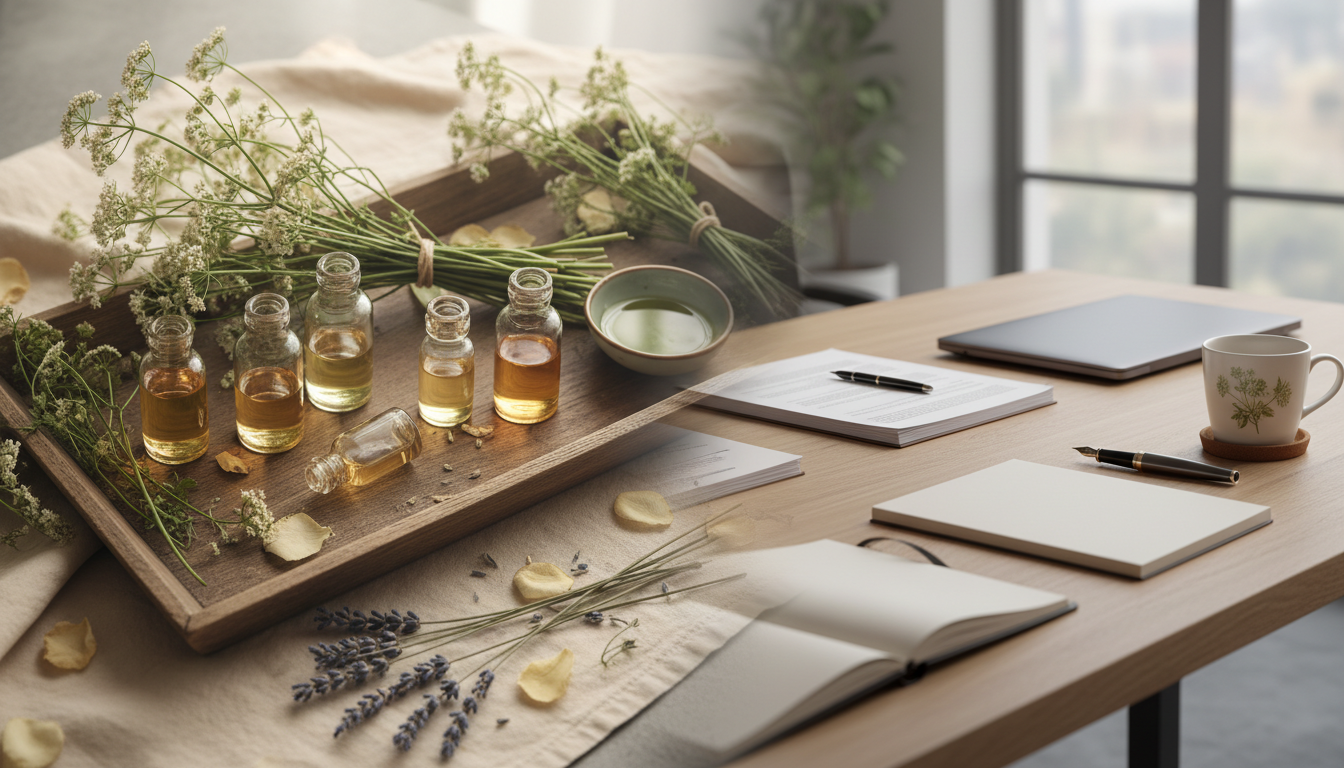
There is a particular kind of freshness that greets you in a well-tended kitchen garden just after a light rain. Green leaves, bright citrus air, a little warmth from the soil. That sensory experience is exactly what a citrus cilantro blend can bring into your living space, and it is more accessible than most people realize. With a handful of carefully chosen oils and a basic understanding of blending ratios, you can create a lively home fragrance that shifts the atmosphere of an entire room.
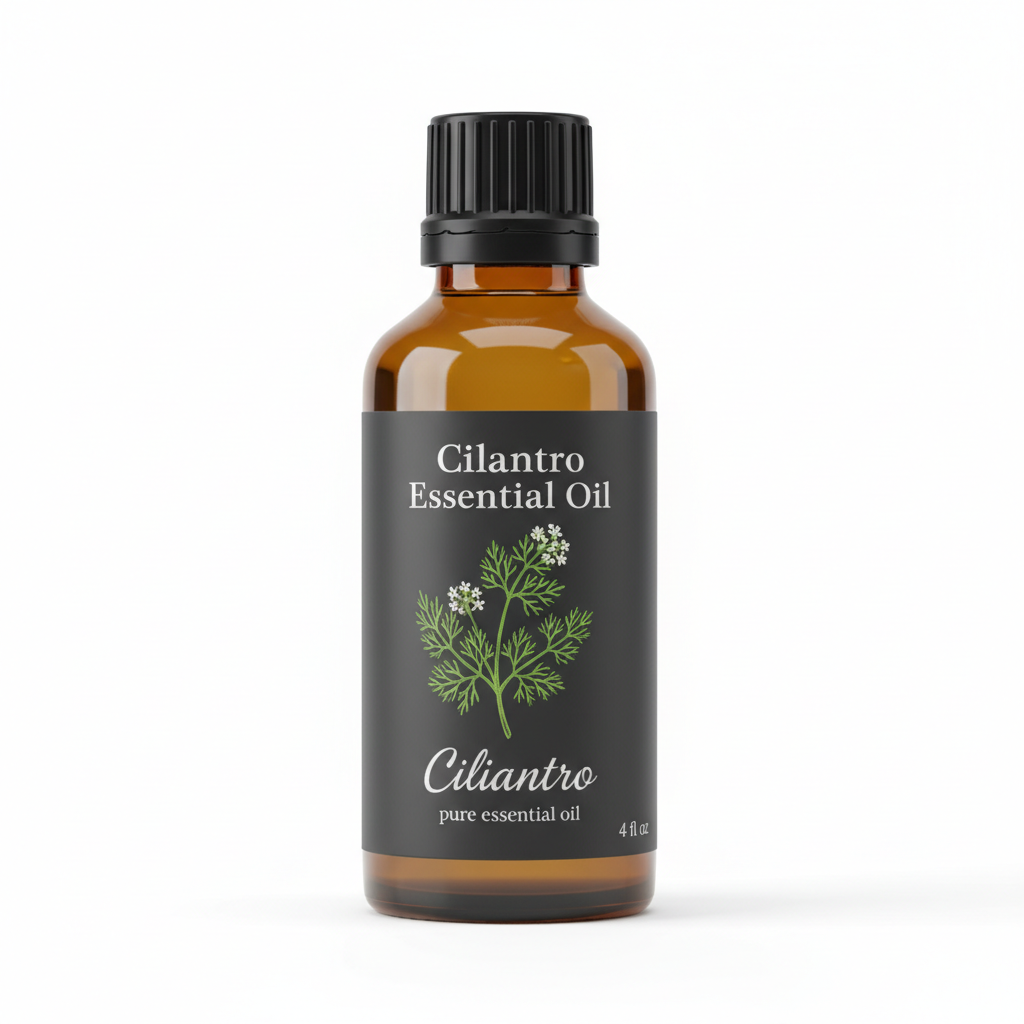
Cilantro Essential Oil
Our own Cilantro Essential Oil, in sizes from 0.5 oz to bulk.
From $13.99
Shop Now →This guide walks you through one specific signature blend, built around a named frankincense variety that adds quiet depth to what might otherwise be a one-dimensional citrus-forward composition. You will find full recipes, step-by-step instructions, safety notes, and a few variations to keep things interesting across the seasons.
Why This Blend Works: The Aromatic Logic
Citrus oils and cilantro oil share a natural kinship. Both sit in the bright, volatile top-note range of a fragrance composition. Lime, lemon, and grapefruit all carry sharp, clean facets that lift quickly into a room, and cilantro (distilled from fresh coriander leaf, not seed) contributes a green, slightly floral, almost citrusy note of its own. If you have ever smelled a freshly chopped bunch of cilantro, you know it has a lively character that is hard to pin down. To learn more about what makes this oil distinct, the complete guide to cilantro essential oil covers its botanical background, distillation process, and aromatic profile in detail.
The challenge with a purely citrus-herbal blend is longevity. Top notes evaporate quickly. Without a base or bridge note to anchor them, the fragrance can feel thin and short-lived in the diffuser. That is where frankincense comes in, and specifically where the choice of which frankincense matters.
The Featured Frankincense: Boswellia Serrata
For a citrus cilantro blend, Boswellia serrata is the frankincense variety that earns its place. This species is native to the dry forests of India, particularly the states of Rajasthan, Madhya Pradesh, and Andhra Pradesh, where the trees produce a resin known locally as Salai or Indian olibanum. The essential oil distilled from this resin has a character that sets it apart from its East African and Omani relatives.
Where Boswellia carterii and sacra tend toward the piney, camphoraceous, or sharply resinous, serrata carries a warmer, slightly sweeter, and earthier quality. Some describe it as having a hint of citrus rind in its own profile, which creates a natural bridge with the lime and lemon oils in this blend. It is softer in the diffuser, less likely to overpower a lighter herbal note. That restraint is exactly what a cilantro lime scent blend needs from its base anchor: presence without dominance.
Serrata also blends particularly well with green notes. Its warmth supports the herbaceous character of cilantro without pulling the composition toward a heavy, resinous direction. The result is a blend that stays bright and lively while gaining staying power and a faint sense of grounded warmth underneath.
The Signature Recipe: Lively Kitchen and Living Room Blend
This recipe is formulated for a standard 100 ml reed diffuser or ultrasonic diffuser blend base. It produces a room-ready fragrance with good lift and reasonable longevity. The measurements are given in both drops and approximate milliliters for precision.
Ingredients
| Oil | Drops | Approximate Volume | Role in Blend |
|---|---|---|---|
| Lime essential oil (steam-distilled) | 18 drops | 0.9 ml | Top note, sharp citrus lift |
| Lemon essential oil | 12 drops | 0.6 ml | Top note, clean brightness |
| Cilantro essential oil (leaf) | 10 drops | 0.5 ml | Top-to-mid, green herbal character |
| Grapefruit essential oil | 8 drops | 0.4 ml | Top note, adds soft bitterness and body |
| Boswellia serrata essential oil | 7 drops | 0.35 ml | Base note, warm earthy anchor |
| Cedarwood (Virginian) essential oil | 5 drops | 0.25 ml | Base note, woody support |
| Reed diffuser base or fractionated coconut oil | To volume | Top up to 100 ml | Carrier |
Step-by-Step Instructions
- Prepare your workspace. Use a clean glass measuring cylinder or graduated pipette. Avoid plastic, which can absorb and distort volatile compounds over time. Have your diffuser vessel or a clean 100 ml amber glass bottle ready.
- Add base notes first. Drop in the Boswellia serrata oil, then the cedarwood. This layering order allows heavier molecules to sit at the bottom and mix upward as lighter oils are added.
- Add the cilantro oil. Count your drops carefully. Cilantro oil has a strong aromatic presence at close range, and even a few extra drops can shift the blend noticeably. Ten drops is the sweet spot for this formula.
- Add the citrus oils. Grapefruit first, then lemon, then lime. Give the bottle a gentle swirl between each addition rather than stirring, which can introduce air bubbles and accelerate oxidation.
- Add your carrier. Pour your reed diffuser base or fractionated coconut oil slowly to bring the total volume to 100 ml. Fractionated coconut oil works well in an ultrasonic diffuser; a commercial diffuser base with a low viscosity is preferable for reed diffusers.
- Cap and rest. Seal the bottle and allow the blend to rest for 24 to 48 hours before using. This resting period lets the molecules interact and the fragrance to develop a more cohesive character. Many blenders describe this as the oil "marrying."
- Label your bottle. Note the date of creation, the full ingredient list, and the dilution percentage. This is important for both safety tracking and future replication.
For Direct Diffuser Use
If you are adding drops directly to an ultrasonic diffuser tank rather than making a bulk blend, use this simpler ratio per standard 200 ml diffuser tank: 4 drops lime, 3 drops lemon, 2 drops cilantro, 2 drops grapefruit, 1 drop Boswellia serrata, 1 drop cedarwood. Run in 30-minute intervals with adequate ventilation in the room.
Dilution, Safety, and Patch Testing
This blend is formulated for aromatic diffuser use only. It is not a skin application recipe in its current concentration. If you want to adapt it for a body oil, room spray, or linen mist, the dilution must change significantly.
- For a body oil or massage oil: The total essential oil content should not exceed 2% in a carrier oil (roughly 12 drops per 30 ml of carrier). Citrus oils, particularly expressed (cold-pressed) lime, may be photosensitizing. Steam-distilled lime, as specified in this recipe, carries a lower risk, but avoiding direct sun exposure on skin that has been applied with citrus-containing blends is still a sensible precaution.
- For a room spray (water and alcohol base): Keep essential oil content at or below 1 to 2% of total volume.
- Patch testing: If adapting this blend for any skin use, apply a small amount of your diluted version to the inner forearm. Wait 24 hours and check for any signs of sensitivity before wider use.
- Ventilation: Always diffuse in a well-ventilated space. Avoid continuous diffusion for extended periods. Short sessions of 30 to 60 minutes are preferable to hours of uninterrupted use.
- Households with young children, pets, or individuals who are pregnant: Consult a qualified healthcare provider before using essential oil blends in shared spaces.
Storage and Shelf Life
Store your blended bottle in a cool, dark location away from direct sunlight and heat sources. An amber glass bottle is ideal. Citrus oils are among the more volatile and susceptible to oxidation in the essential oil world, so a blended diffuser formula is best used within six months of creation for optimal aroma quality. Boswellia serrata oil, by contrast, is quite stable on its own. The blend's shelf life is ultimately governed by its most fragile component, which in this formula is the lime oil.
Keep bottles tightly capped between uses. If the scent shifts noticeably (becomes sharper, more solvent-like, or loses its brightness), it is a good indication that the citrus components have begun to oxidize and the blend should be refreshed.
Variations to Explore
Variation 1: Cilantro Lime and Coconut Diffuser Blend
Replace the lemon and grapefruit oils entirely with a small amount of coconut absolute (if you can source a diffuser-grade version) or increase the lime drops to 22 and add 6 drops of ylang ylang for a tropical, floral-citrus direction. The Boswellia serrata and cedarwood remain unchanged. This variation leans into the cilantro lime scent blend pairing and works especially well in summer months or warmer climates. For more diffuser-specific cilantro pairings, this diffuser blending guide offers additional starting points.
Variation 2: Citrus Cilantro and Pineapple Accord
Pineapple and cilantro have a natural aromatic affinity that surprises many first-time blenders. To push the blend in a fruity-herbal direction, add 4 drops of wild orange and 3 drops of basil (linalool-rich variety) while reducing lime to 12 drops. The result is a more complex citrus cilantro blend with a tropical undercurrent. Learn more about the pineapple and cilantro pairing and why this combination has earned its place in modern home fragrance.
Variation 3: Warm Evening Edition
For cooler evenings when you want the blend to feel a little more settled and less sharp, increase Boswellia serrata to 12 drops, reduce lime to 10 drops, and add 5 drops of vetiver. The vetiver pulls the whole composition downward in a pleasing way, giving the citrus and cilantro a smoky, earthy backdrop that suits late-day diffusing beautifully.
Building Your Blending Practice
A citrus cilantro blend is an excellent entry point for anyone interested in developing a personal collection of lively home fragrance formulas. The oils involved are relatively affordable, widely available, and forgiving enough that small adjustments produce clearly noticeable but not catastrophic results. Start with the base recipe as written, diffuse it for a few sessions, and pay attention to what you find missing or excessive. That observation process is where blending skill actually develops.
Boswellia serrata is worth keeping in your collection well beyond this single recipe. Its warm, slightly sweet character has a versatility that rewards experimentation. And if you are curious about deepening your understanding of cilantro oil itself before you blend, the complete cilantro essential oil guide is the best place to start.
Fresh, green, grounded. A well-made citrus and cilantro blend can do all three at once, and with a little practice, it becomes one of those signature scents that makes your home feel unmistakably like yours.