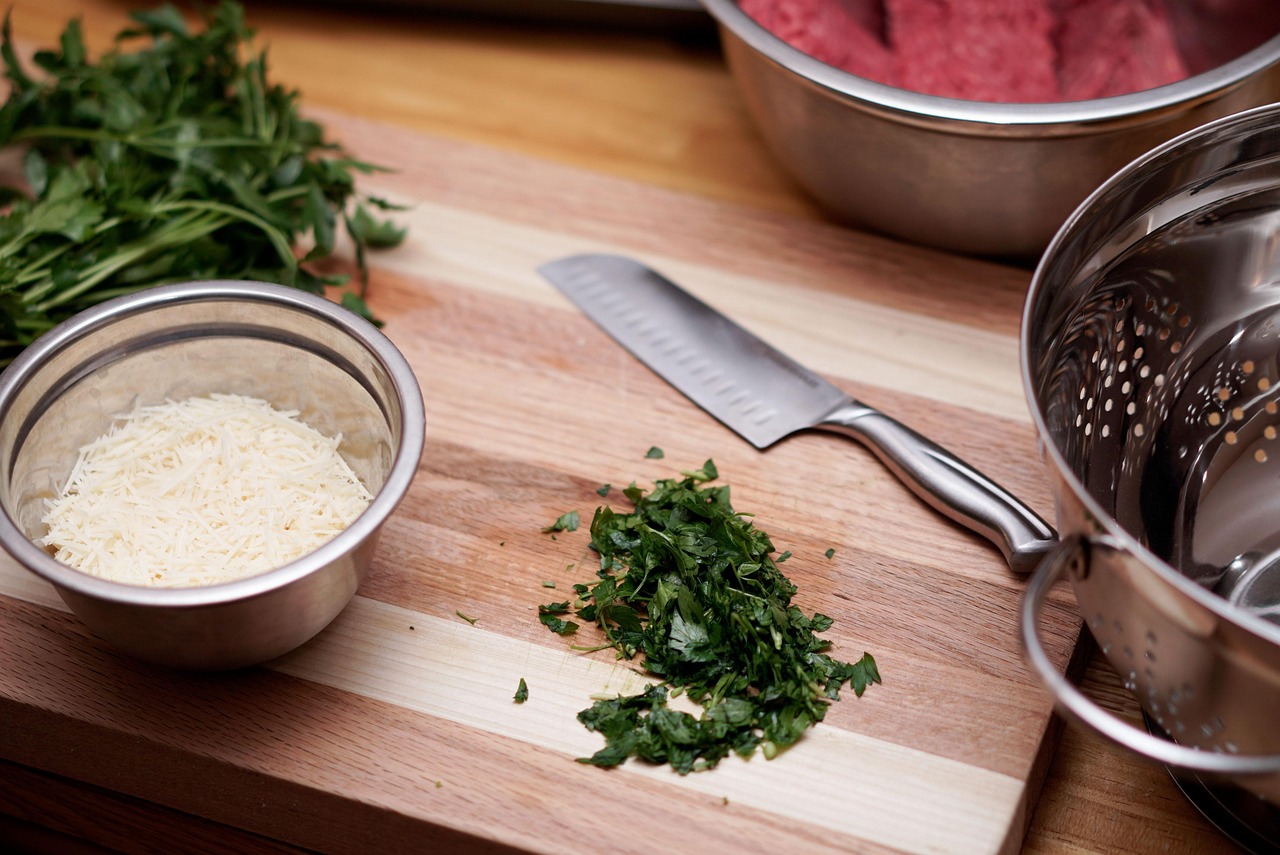
Cilantro Oil Uses: 15 Fresh Ideas for Kitchen and Home
Cilantro essential oil is one of those botanical surprises that earns a permanent spot on the shelf once you understand what it can do. Distilled from the fresh leaves of Coriandrum sativum, it carries a bright, green, almost citrusy character that is nothing like the warm, spiced aroma of coriander seed oil. If you are curious about what cilantro essential oil actually is and how it is made, that guide covers the full story. This article is focused entirely on putting the oil to work.
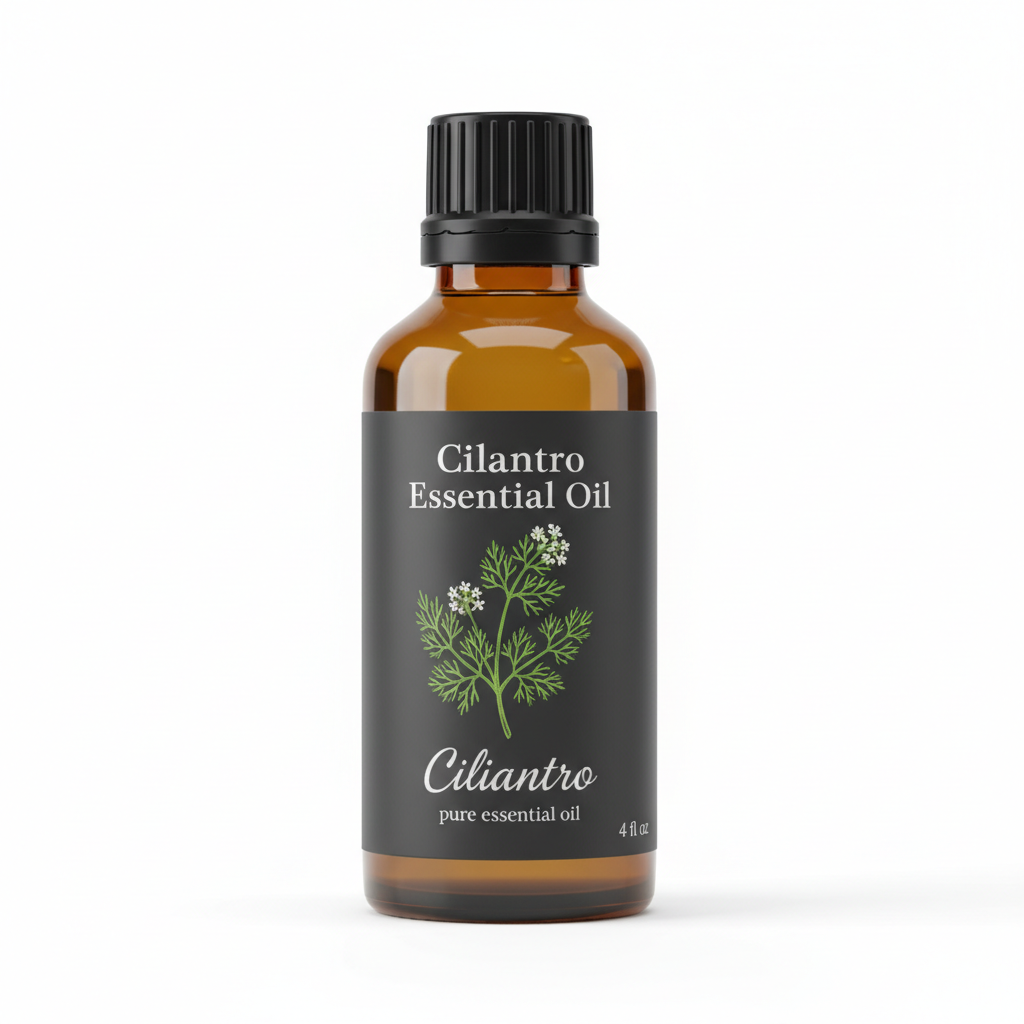
Cilantro Essential Oil
Our own Cilantro Essential Oil, in sizes from 0.5 oz to bulk.
From $13.99
Shop Now →The list below covers 15 practical, interesting, and genuinely useful applications, spanning kitchen, home atmosphere, personal care, and creative projects. Some ideas are obvious. Others may genuinely surprise you.
1. Natural Kitchen Surface Freshener
One of the most accessible cilantro oil uses is in the kitchen itself. Combine 10 drops of cilantro essential oil with 1 cup of distilled water and a small amount of liquid castile soap in a spray bottle. Shake well before each use and spritz onto countertops, cutting boards, or cabinet exteriors before wiping down.
The fresh, green scent lifts stale cooking odors in a way that synthetic lemon or pine sprays rarely achieve. Cilantro oil has a lively, herbaceous quality that blends naturally into a kitchen environment without smelling out of place.
Practical takeaway: Always do a small patch test on any surface before spraying broadly. Some natural stone countertops can be sensitive to essential oils.
2. Diffuser Blend for a Fresh, Green Atmosphere
Cilantro oil is an underrated diffuser note. Its top-note brightness cuts through heavier, sweeter oils and adds a garden-fresh quality that can transform the feel of a room. Try pairing it with lime, bergamot, or a touch of cedarwood for a blend that feels genuinely alive.
If you want to explore the scent profile in more depth before committing to a blend, the article on what cilantro essential oil smells like is a helpful starting point. The oil can surprise people who only know cilantro from the kitchen. For diffuser blending ideas using cilantro as the anchor note, this collection of fresh green diffuser blends is worth bookmarking.
Practical takeaway: Start with 2 to 3 drops of cilantro oil in a blend before increasing. Its green character is vivid and can dominate if overused.
3. Linen and Room Spray for the Kitchen or Dining Area
A linen spray made with cilantro essential oil can freshen dish towels, table linens, and cloth napkins between washes. Mix 15 drops of cilantro oil with 2 tablespoons of high-proof vodka or witch hazel, then add 3 ounces of distilled water and transfer to a fine-mist spray bottle.
The scent is clean and food-friendly, which makes it a natural fit for dining spaces. Unlike floral or musky room sprays, cilantro oil does not compete with food aromas. It simply refreshes the air.
Practical takeaway: Shake before every use, since water and oil naturally separate. Lightly mist fabrics and allow them to air dry fully before folding or using.
4. Scalp and Hair Rinse Add-In
Cilantro essential oil blends well into DIY hair care. Adding 3 to 5 drops to a tablespoon of carrier oil, such as jojoba or fractionated coconut oil, creates a simple scalp massage blend that may help support a feeling of freshness and cleanliness at the scalp.
Some people also add a drop or two directly into a small amount of unscented conditioner before applying. The green, slightly citrusy scent gives plain conditioners a lifted, botanical quality. Always dilute properly. Essential oils should never be applied neat to the scalp.
Practical takeaway: Dilution for scalp use should stay at or below 1 to 2 percent. That is roughly 6 drops per ounce of carrier. Do a patch test on the inner arm before using on the scalp.
5. Herb-Scented Candle Making
Cilantro oil performs beautifully in soy or beeswax candle projects. Its volatile, bright character means it is best added to wax at lower temperatures to preserve the scent. Aim to add the oil when the wax has cooled to around 130 to 140 degrees Fahrenheit, which is below the flash point for most herb oils.
Blended with basil, lemon, and a small amount of black pepper essential oil, cilantro creates a candle scent that feels like a summer herb garden. It works especially well in kitchen or dining room candles where you want something fresh but not sweet.
Practical takeaway: Use a fragrance load of 6 to 10 percent for soy wax. Cilantro essential oil is more volatile than fragrance oils, so expect the hot throw to be lighter than the cold throw.
6. Personal Fragrance Blending
Cilantro leaf oil is a fascinating addition to natural perfumery. It occupies a space between green herb notes and light citrus, making it useful as either a top note or a bridging note between citrus and heavier green florals. Pair it with violet leaf absolute, neroli, or vetiver for something genuinely unusual.
Natural perfumers who work with aldehyde-like green notes will find that cilantro oil offers a softer, more edible version of that quality. It adds lift without the sharp edge of galbanum or the soapy quality of some violet-leaf materials.
Practical takeaway: For a simple eau de cologne-style blend, combine cilantro oil with bergamot, lemon, and a small amount of sandalwood in a 80 to 90 percent alcohol base. Start at 5 percent total fragrance concentration and adjust to preference.
7. Potpourri and Dried Herb Blends
Dried herb potpourri benefits from a few drops of essential oil to refresh and intensify the scent over time. Cilantro essential oil works well in herb-based blends that include dried basil, rosemary, bay leaves, or lemon peel. A few drops applied directly to the dried plant material, then allowed to absorb for 24 hours, can revive a blend that has gone flat.
This is one of the most straightforward cilantro oil uses because it requires no mixing, dilution ratios, or special equipment. It is simply a matter of applying drops, sealing the container overnight, and then displaying the revived blend.
Practical takeaway: Use 5 to 8 drops per cup of dried material. Store the potpourri in a sealed bag or container for at least a day before displaying to allow the oil to absorb evenly.
8. Soap Making Scent Accent
Cold-process soap is a notoriously challenging medium for essential oils because saponification generates heat that can accelerate trace and degrade volatile top notes. Cilantro essential oil is quite volatile, so it works best in cold-process applications when combined with more anchoring notes like cedarwood or patchouli.
In melt-and-pour soap, where temperatures are lower and the process is gentler, cilantro oil performs better on its own. A kitchen herb soap scented with cilantro, lime, and a hint of rosemary is a practical and appealing product, both for personal use and as a handmade gift.
Practical takeaway: Use at 0.5 to 1 percent of total soap weight as a starting point for essential oil content. Always research individual oil usage rates before finalizing a soap formula.
9. Flavored Oil and Culinary Arts (Food-Grade Only)
This one requires an important distinction. Only food-grade, culinary-grade cilantro essential oil should ever be considered for food use, and even then, amounts must be tiny. A single drop in a large batch of salad dressing, marinade, or dipping oil can provide the essence of fresh cilantro without the texture of the leaf.
What is cilantro oil good for in the kitchen from a flavor standpoint? It concentrates that bright, slightly citrusy, green herbal quality that fresh cilantro leaves deliver. For dishes where fresh cilantro is unavailable or its texture is unwanted, a tiny amount of food-grade oil dissolved in a fat-based medium may fill that gap.
Practical takeaway: Never use cosmetic-grade essential oil in food. Food-grade cilantro oil must be labeled explicitly for culinary use. Start with a toothpick dip, not a full drop, when experimenting in recipes. Consult a culinary expert or food safety resource before using essential oils in food preparation.
10. Drawer and Closet Sachets
Cedar sachets and lavender bags are familiar in closet care, but cilantro oil offers a fresh, herbaceous alternative that is less expected and pleasantly green. Apply 4 to 6 drops to an unfinished wood block, a small cotton square, or a natural fiber sachet pouch and tuck it into a kitchen linen drawer or pantry shelf.
The scent is subtle in this application, which is a feature rather than a limitation. It provides a quiet freshness without overwhelming clothing or stored linens. Refresh the sachets every few weeks with additional drops as the scent fades.
Practical takeaway: Avoid applying oil directly to fabric or finished wood, as staining can occur. Use an absorbent filler material or a sealed diffuser bead pouch instead.
11. Yoga Mat and Equipment Cleaner
Refreshing a yoga mat or fitness equipment with a botanical spray is a practical application of essential oils that many people overlook. A simple spray of distilled water, witch hazel, and a few drops of cilantro essential oil delivers a clean, green scent that feels appropriately grounding for a movement or mindfulness practice.
Cilantro oil's crisp character suits morning practice particularly well. It contributes to an atmosphere of wakefulness and clarity, which can complement the beginning of a physical or breathing routine.
Practical takeaway: Use 8 to 10 drops of essential oil per 4 ounces of spray base. Lightly mist the mat surface, wipe with a clean cloth, and allow to air dry completely before rolling or storing. Test a small area of your mat first, as some materials can be sensitive to oils.
12. Handmade Herbal Body Scrub
A simple sugar or salt scrub gains a lot from the addition of cilantro essential oil. Combine 1 cup of fine sea salt or granulated sugar with 3 tablespoons of sweet almond or grapeseed oil, a teaspoon of honey, and 8 to 10 drops of cilantro essential oil. Mix well and store in an airtight glass jar.
The finished scrub has a fresh, herby quality that feels both clean and a little unexpected. It makes a thoughtful handmade gift, especially when paired with a simple card explaining the botanical source of the scent.
Practical takeaway: The dilution in this recipe falls within safe ranges for a rinse-off product. Do not use on broken or recently shaved skin. Discontinue use if any sensitivity occurs, and do a patch test before using on larger areas of the body.
13. Scented Wax Melts
Wax melts are a good format for cilantro essential oil because the low-heat release from a warmer is gentler than an open flame, which can preserve more of the bright, volatile top notes. Use paraffin or a soy blend formulated for wax melts, and add cilantro oil at 6 to 8 percent of the wax weight.
Blended with litsea cubeba, grapefruit, and a small amount of clary sage, cilantro makes a wax melt that fills a kitchen or living space with a lively, garden-green atmosphere. It is particularly appealing during warmer months when heavy florals and resins can feel out of season.
Practical takeaway: Purchase wax specifically formulated for melts rather than candles, as the melt points and fragrance absorption differ. Follow all standard wax melt safety practices, including never leaving a warmer unattended.
14. Homemade Deodorant Formulas
Natural deodorant recipes frequently rely on essential oils for their aromatic contribution, and cilantro oil is a less common but effective choice. Its crisp, clean scent blends well with tea tree, lemon, or geranium in a baking soda and arrowroot base.
People who find that floral or sweet deodorant scents feel out of place often respond better to green or herbal notes. Cilantro provides that direction. The oil contributes primarily as a scent component in these formulations.
Practical takeaway: Underarm skin can be sensitive. Essential oil concentrations in deodorant formulas should stay at 1 to 2 percent. Always patch test on a less sensitive area first, and be aware that citrus-adjacent oils like cilantro may occasionally cause sensitivity in some individuals. Consult a qualified skincare formulator if you are uncertain about safe usage levels.
15. Herb Garden Journaling and Botanical Craft Projects
This last idea leans into uses for cilantro oil that are more sensory and creative than functional. A drop of cilantro essential oil applied to the spine of a nature journal, a botanical sketchbook, or a garden planning notebook can make the act of opening and using it a small, grounded ritual. The scent links the practice of writing or sketching to the living garden it documents.
Some botanical crafters also use diluted essential oils to lightly scent pressed flower and herb projects. Cilantro oil, with its connection to the herb world, fits naturally into projects that include pressed coriander flowers, fennel fronds, or dried herb arrangements. Apply to a piece of cardstock near the pressed material rather than directly onto delicate botanicals, which could be damaged by oil contact.
Practical takeaway: A single drop goes a long way in a scent-association practice like this. The goal is a background suggestion of the scent, not a strong fragrance. Allow any oiled material to dry or off-gas for a few hours before closing a notebook or frame.
A Few Notes on Quality and Safety
All of the ideas above depend on one thing: starting with a quality oil. Cilantro essential oil should be steam-distilled from fresh leaves, clearly labeled with its botanical name (Coriandrum sativum), and sourced from a supplier who provides batch-specific testing documentation. If you want to understand more about how to evaluate what you are buying, the complete guide to cilantro essential oil covers sourcing and quality markers in detail.
A few universal precautions apply across all of these uses. Keep essential oils away from eyes and mucous membranes. Always dilute before skin contact. Store oils in dark glass bottles away from heat and direct light. Keep all essential oils out of reach of children and pets. If you are pregnant, nursing, or managing any health concern, speak with a qualified healthcare provider before adding new aromatic products to your routine.
With a good bottle and a little curiosity, cilantro essential oil opens up more possibilities than most people expect. The 15 ideas above are just a starting point.