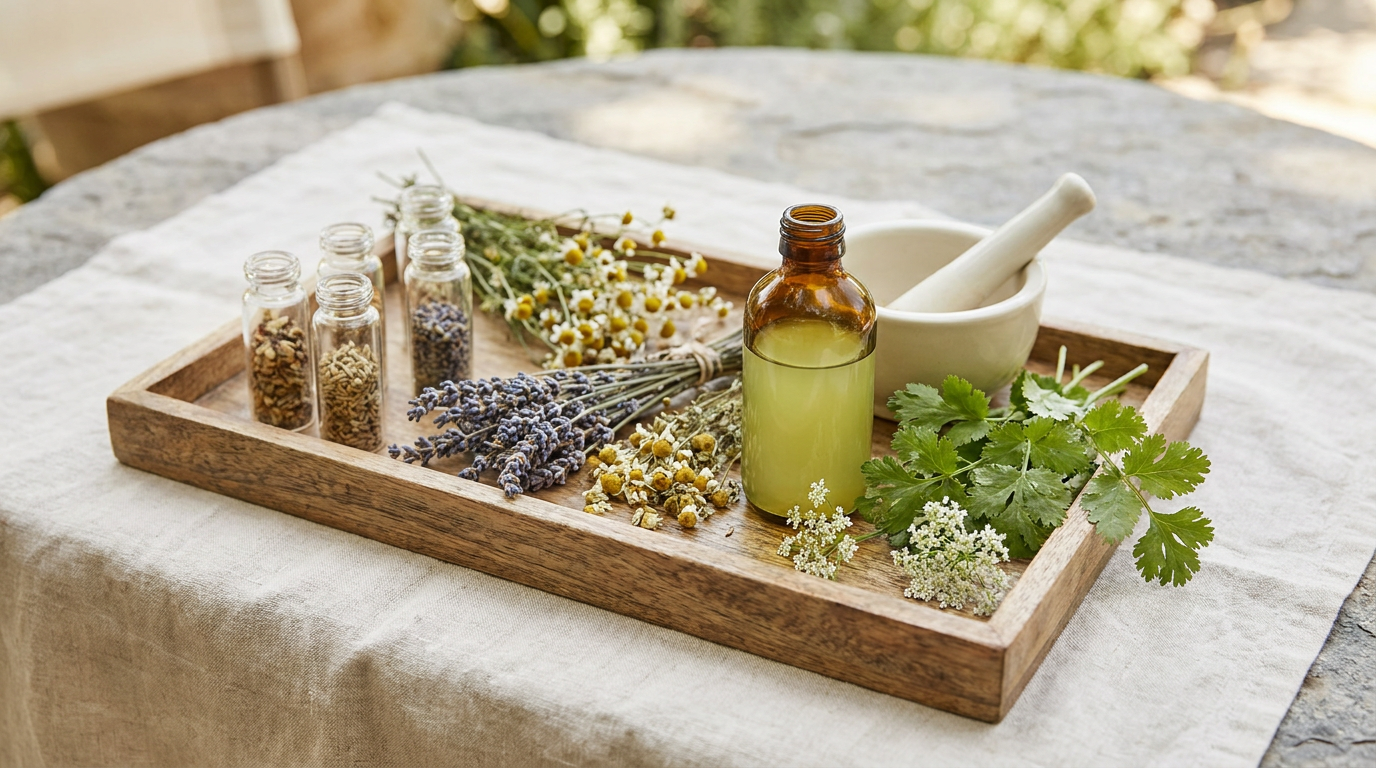
Cilantro Essential Oil and the 2026 Green Fragrance Trend
Walk through any fragrance forum or scroll a perfumer's seasonal roundup right now, and you'll notice the same word popping up again and again: green. After a few years dominated by warm gourmands and heavy amber bases, 2026 has swung hard toward crisp, leafy, garden-fresh profiles. The green fragrance trend 2026 conversation isn't just about grass and cucumber anymore either. Herbal top notes perfumery is having a real moment, and cilantro essential oil sits right at the center of it, prized for a brightness that reads as green but carries a distinctive, almost citrus-peppery lift that sets it apart from more familiar notes like basil or mint.
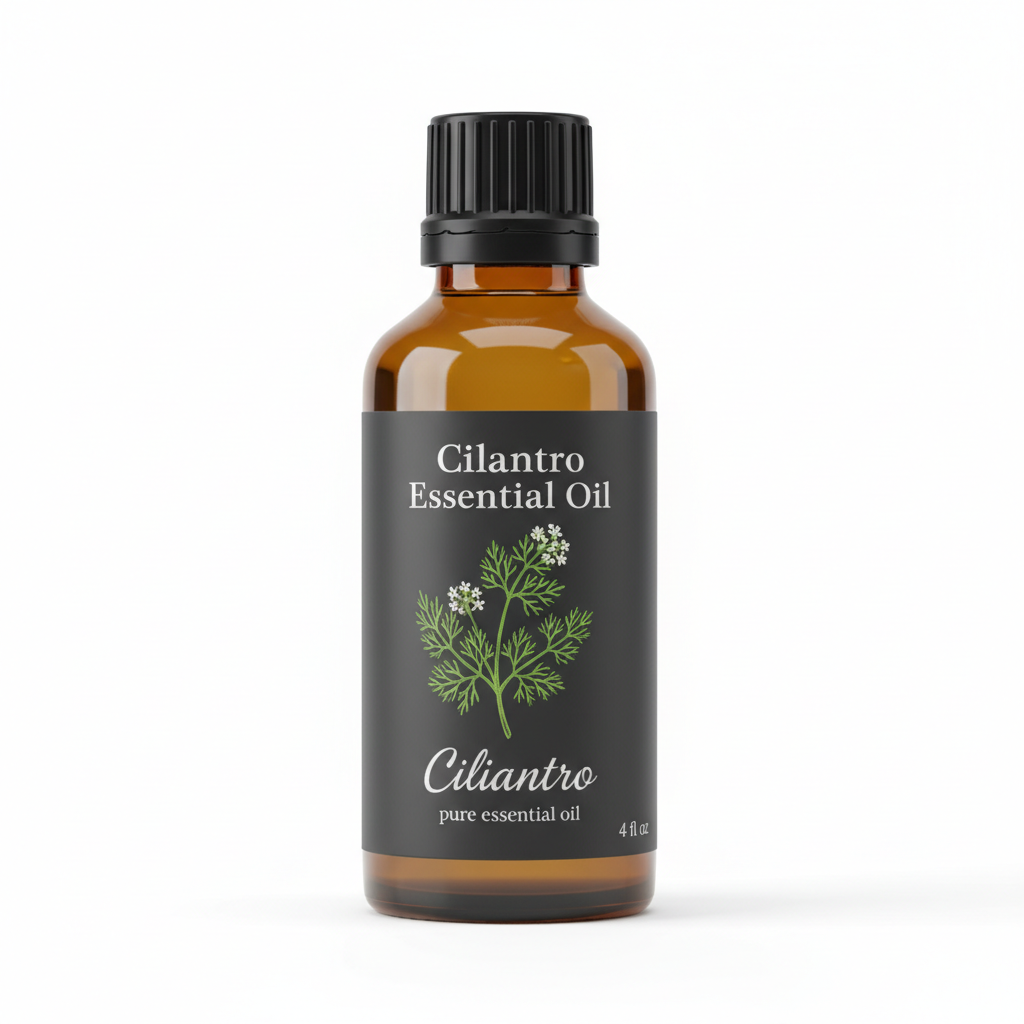
Cilantro Essential Oil
Our own Cilantro Essential Oil, in sizes from 0.5 oz to bulk.
From $11.99
Shop Now →If you've been curious about the cilantro essential oil trend but weren't sure how it fits into a home aromatic routine, this is a good season to explore it. Below we'll walk through why this note is suddenly everywhere, how to work it into diffuser blends and personal scent layering, and how to adjust your approach as the calendar moves through the rest of the year.
Why Green Is Suddenly Everywhere
Fragrance trends tend to move in a slow pendulum swing, and forecasters have been calling this shift for a couple of years. Consumers are gravitating toward scents that feel unprocessed and outdoorsy rather than polished and sweet. Think farmers market produce, cut stems, crushed leaves, the smell of a garden after watering. It's a reaction, in part, to a long stretch of vanilla-and-musk everything, and in part to a broader cultural pull toward anything described as fresh, raw, or close to the source.
Cilantro fits that mood almost perfectly. Botanically it's the same plant as coriander (the seed is coriander, the leaf is cilantro), and the leaf-derived oil carries a sharper, greener, more vegetal character than its warmer, spicier seed counterpart. That contrast between the two is part of why perfumers have started reaching for cilantro leaf oil specifically when they want something that reads as unmistakably fresh green scent trend rather than generic herbal.
What Herbal Top Notes Actually Do in a Blend
Top notes are the first impression of a fragrance, the part you smell in the first few minutes before it settles into its middle and base layers. They're volatile, meaning they evaporate fastest, which is exactly why a bright note like cilantro works so well there. It gives a blend that initial lift of freshness, then steps back and lets deeper botanicals carry the scent forward.
In herbal top notes perfumery, cilantro is often described as having a "green sparkle," somewhere between fresh-cut herbs and a hint of citrus zest. That dual quality is what makes it more versatile than people expect. It can sit comfortably next to woody bases like cedarwood or vetiver, brighten a citrus-forward blend, or add complexity to a purely herbal composition built around notes like clary sage or petitgrain.
A small amount goes a long way. Because cilantro's aroma is so assertive, most home blenders find that just one or two drops in a diffuser blend of eight to ten total drops is enough to shape the whole composition.
Practical Ways to Bring the Trend Home
You don't need a perfumer's lab to explore this note. Here are a few approachable starting points for working cilantro essential oil into your space and routine this season.
Diffuser Blends for a Green, Garden-Fresh Room
- Bright Garden: 2 drops cilantro, 3 drops lime, 2 drops petitgrain
- Herb Bundle: 2 drops cilantro, 2 drops clary sage, 3 drops bergamot
- Green and Grounded: 1 drop cilantro, 3 drops cedarwood, 2 drops vetiver
Start with the lower end of any ratio and adjust to taste. Cilantro's character is strong enough that a heavy hand can tip a blend from fresh into overpowering fast.
Layering It Into a Personal Scent Routine
Some people like to use a diluted roll-on blend as a personal fragrance layer rather than relying on commercial perfume alone. If you want to try this, always dilute cilantro essential oil in a carrier oil such as fractionated coconut or jojoba before it touches skin. A safe general dilution for adult skin contact is around 1 to 2 percent, which works out to roughly 3 to 6 drops of essential oil per ounce (30 ml) of carrier. Always do a patch test on a small area of skin, such as the inner forearm, and wait 24 to 48 hours before wider use. Cilantro oil, like many citrus-adjacent botanicals, can increase skin sensitivity to sunlight for some people, so it's worth checking how your skin responds and being mindful about sun exposure after topical application. If you are pregnant, nursing, or managing any ongoing health situation, check with a qualified healthcare provider before adding a new essential oil to your routine.
Seasonal Variations Worth Trying
Late summer, right where we are now, is the natural entry point for this note. Cilantro's brightness echoes the last stretch of garden season, and it pairs beautifully with the citrus and stone-fruit oils that tend to be popular this time of year. As you move into autumn, you don't have to abandon the green fragrance trend 2026 look entirely. Instead, try grounding cilantro with warmer, woodier partners:
- Late Summer: cilantro, grapefruit, and a touch of mint for a crisp, sun-warmed feel
- Early Autumn: cilantro, cedarwood, and a whisper of clove bud to bridge green into cozy
- Deep Autumn: cilantro paired sparingly with vetiver and frankincense for an earthier, more grounded green
This kind of seasonal layering is a good way to keep a signature note in rotation year round without it feeling out of step with the weather.
What to Look for in a Quality Cilantro Oil
Because this note is having a moment, it's worth being a little more discerning about sourcing than usual. Look for oil labeled specifically as cilantro leaf (Coriandrum sativum, leaf) rather than coriander seed oil, since the two have noticeably different aromatic profiles despite coming from the same plant. A reputable supplier should be able to tell you the country of origin, the extraction method (steam distillation is standard for cilantro leaf), and ideally provide a batch-specific GC/MS test report so you know what's actually in the bottle. Cilantro leaf oil is genuinely delicate and can vary in quality, freshness, and aroma from batch to batch, so if a bottle smells flat, dull, or more like celery than fresh cilantro, that's a sign of an older or lower-quality extraction rather than something to work around.
A Note on Realistic Expectations
It's worth saying plainly: essential oils are aromatic products, and any enjoyment people report from using cilantro oil in a diffuser blend or personal scent layer is about the sensory and atmospheric experience, not a medical outcome. Some people simply find fresh, green, herbal scents pleasant and mood-lifting to have around, and anecdotal reports along those lines are common in the aromatherapy community, but that's a matter of personal preference and ambiance rather than anything backed by rigorous clinical study. Enjoy cilantro oil for what it is: a genuinely interesting, of-the-moment botanical note that happens to smell like the best parts of late summer.
Related Reading
If this is your first time working with cilantro essential oil, it helps to start with the fundamentals before experimenting with trend-driven blends. Our guide to everyday cilantro essential oil uses covers the basics of getting started, while our safety and dilution guide walks through proper ratios and patch testing in more depth. For blending inspiration beyond what's covered here, see our roundup on how to blend cilantro oil with other botanicals, and if you're curious how cilantro compares to its culinary cousin, our piece on cilantro leaf oil versus coriander seed oil breaks down the differences in detail.
Trends come and go, but a genuinely well-sourced, fresh cilantro leaf oil is worth keeping in your collection regardless of what's fashionable this season. Right now, it just happens to be having its moment in the spotlight.