
Cilantro Oil for Cooking: Choosing Culinary vs Aromatic Bottles
Cilantro oil sits in a surprisingly complicated corner of the specialty food market. The same plant, Coriandrum sativum, yields products that look nearly identical on a shelf but are intended for completely different uses. One belongs in your salad dressing. The other belongs in your diffuser. Buying the wrong type is an easy mistake, and it can be a costly or even risky one.
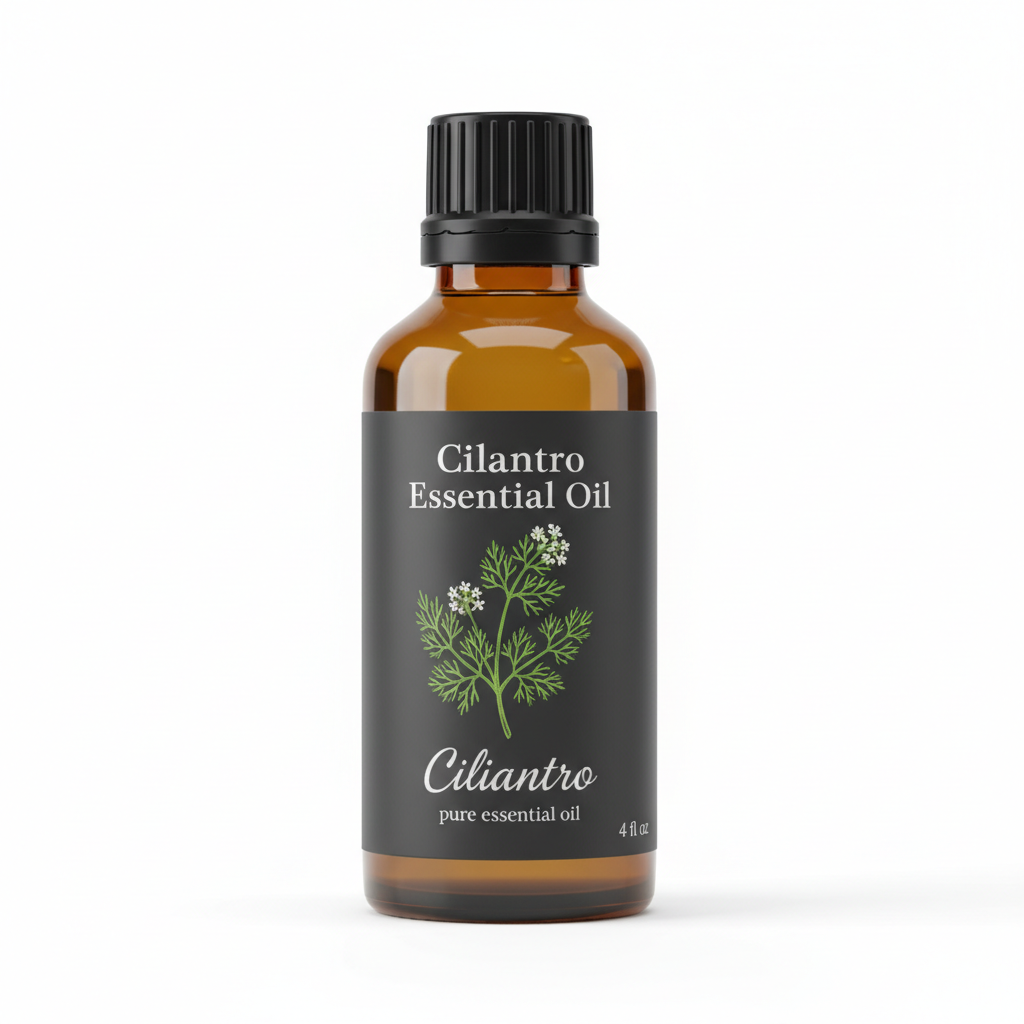
Cilantro Essential Oil
Our own Cilantro Essential Oil, in sizes from 0.5 oz to bulk.
From $13.99
Shop Now →This guide breaks down exactly what to look for when shopping for cilantro oil for cooking, how to compare labels and quality markers, where to find reputable products at various price points, and which warning signs should send you straight to a different retailer.
Culinary vs. Aromatic: Why the Distinction Matters
Before comparing brands, it helps to understand what you are actually comparing. There are two distinct product categories sold under the broad label of "cilantro oil."
Culinary Cilantro Oil (Infused or Expressed)
Culinary cilantro oil is made by infusing fresh or dried cilantro leaves into a carrier oil, most often olive, avocado, or a neutral vegetable oil. Some versions use cold-pressing or CO2 extraction on the seeds. The result is a food grade product intended for direct consumption: drizzling, finishing, marinating, or blending. It tastes and smells like cilantro because it is essentially a flavored oil.
Aromatic Cilantro Essential Oil
Cilantro essential oil is a concentrated volatile extract, typically steam-distilled from the leaves and stems. It carries an intense, green, almost soapy aroma and is formulated for aromatic and cosmetic use. It is not intended for ingestion at standard retail concentrations, and reputable brands will say so clearly on the label.
The confusion happens because both products are sometimes marketed simply as "cilantro oil" without clear category labeling. Knowing the difference before you shop is the single most important thing this guide can offer you.
What to Look For: Quality Indicators
For Culinary Cilantro Oil
- "Food grade" or "culinary" designation on the label. This is non-negotiable. If the label does not specify that the product is intended for consumption, do not cook with it.
- Carrier oil quality. The base oil matters. Extra virgin olive oil, cold-pressed avocado oil, and high-oleic sunflower oil are all stable, flavorful choices. Generic "vegetable oil" without further detail is a lower-quality indicator.
- Ingredient transparency. A quality culinary cilantro oil should list every ingredient. "Cilantro oil" as the sole listing with no carrier oil named is a red flag (more on that below).
- Harvest and production date. Infused oils have a shelf life. Look for bottles with a clear best-by date and, ideally, a production date or lot number.
- Dark glass packaging. Light degrades both the volatile compounds and the carrier oil. Amber or dark green glass bottles signal that the producer cares about shelf stability.
- Refrigeration guidance. Many fresh-herb infused oils require refrigeration after opening. A brand that includes this instruction is being honest about food safety.
For Aromatic Cilantro Essential Oil (If You Want It for Non-Cooking Use)
- Latin name listed: Coriandrum sativum, leaf or herb.
- GC/MS testing documentation. Gas chromatography/mass spectrometry results confirm purity and chemical profile. Reputable essential oil brands publish these or provide them on request.
- Country of origin and plant part. Leaf-distilled cilantro oil has a very different aromatic profile from seed-distilled coriander oil. Make sure the label specifies "leaf" if that fresh, green character is what you are after.
- Clear "not for internal use" language. This protects you and signals the brand is being responsible.
Key Features to Compare When Shopping
| Feature | Culinary Cilantro Oil | Aromatic Essential Oil |
|---|---|---|
| Intended use | Cooking, finishing, dressing | Diffusing, cosmetic blending |
| Main ingredient | Carrier oil + cilantro extract | Pure distilled volatile extract |
| Concentration | Low to moderate (flavorful, not overwhelming) | Very high (requires dilution for skin use) |
| Packaging | Larger bottles (4 oz to 12 oz typical) | Small dropper bottles (5 ml to 15 ml typical) |
| Price range | $8 to $35 per bottle | $10 to $40 per bottle |
| Shelf life | 6 to 18 months, refrigerate after opening | 2 to 5 years when stored properly |
| Quality verification | Ingredients list, certifications | GC/MS reports, third-party testing |
Top Picks at Different Price Points
Specific retail products change frequently, so rather than naming bottles that may be discontinued, this section outlines what each price tier typically delivers. Use these benchmarks when you are reading listings.
Budget Range: Under $12
At this price point, you are most likely looking at a grocery-store infused oil or a basic essential oil from a mass-market brand. Culinary options here tend to use refined carrier oils and may rely on natural flavoring rather than true cold-process infusion. They work fine as a finishing drizzle or a quick flavor boost in dressings. Do not expect complexity. For aromatic use, budget bottles often skip third-party testing, so scrutinize the label carefully before buying.
Mid-Range: $12 to $25
This is the sweet spot for most home cooks and DIY formulators. Culinary cilantro oils in this range often use extra virgin olive oil or avocado oil as the base, with cleaner ingredient lists and better packaging. Artisan producers selling at farmers markets or specialty food sites often land here. For food grade cilantro oil specifically, mid-range products are more likely to include refrigeration instructions and a meaningful best-by date, both signs of a producer who takes food safety seriously.
If you are interested in making your own version at home, our complete kitchen guide to cilantro-infused oil walks through the process in detail, and mid-range carrier oils are a great starting point for that project.
Premium Range: $25 and Above
Premium culinary cilantro oils tend to come from single-origin producers, use certified organic cilantro, and often include cold-pressed or CO2-extracted cilantro concentrate rather than a simple infusion. The flavor is noticeably brighter and more complex. For aromatic essential oils at this level, expect full GC/MS documentation, certified organic sourcing, and sometimes small-batch harvesting with a named farm. These are the bottles serious aromatherapists and formulators tend to reach for.
Red Flags to Avoid
The specialty oil market has enough corners cut by enough sellers that a short list of warning signs is genuinely useful.
- No carrier oil listed for a "culinary" product. Pure distilled cilantro essential oil is not a culinary oil. If a bottle marketed for cooking lists only "cilantro oil" with no carrier base, that product is almost certainly not food grade in the way the label implies.
- No ingredient list at all. In the US, any product sold as a food must list ingredients. A missing ingredient panel is a compliance problem, not just a quality one.
- Unrealistically low prices for large volumes. A 16-ounce bottle of "pure cilantro essential oil" for $6 is not what it claims to be. Genuine cilantro leaf essential oil requires significant plant material per ounce. Deep discounts on large volumes suggest adulteration or mislabeling.
- Vague sourcing language. "Imported" or "from nature" tells you nothing. Trustworthy producers name the country of origin and often the region.
- Aromatic oil bottles with cooking instructions. Some sellers blur the line between product categories in ways that are genuinely dangerous. If an essential oil bottle includes a recipe suggesting you add drops directly to food without any food grade designation, walk away.
- Plastic bottles for premium products. High-quality oils and essential oils stored in plastic can interact with the packaging over time. Reputable producers use glass.
Where to Buy Culinary Cilantro Oil
Specialty Food Retailers and Gourmet Grocery Stores
Stores like Whole Foods, Fresh Market, and regional specialty grocers often carry a small selection of infused oils that are clearly labeled as food grade. You can read the label in person, which is a significant advantage over online shopping. The selection is usually limited, but quality control tends to be higher because these retailers vet their suppliers.
Online Specialty Food Marketplaces
Sites like Goldbelly, Marx Foods, and artisan food marketplaces connect buyers directly to small producers. Search specifically for "culinary cilantro infused oil" rather than just "cilantro oil" to filter out aromatic products. Read seller descriptions carefully, and look for sellers who clearly distinguish their product as food grade.
Farmers Markets and Artisan Producers
Local infused oil producers at farmers markets are often the best source for genuinely fresh, high-quality culinary cilantro oil. You can ask directly about their process, carrier oil, and shelf life. Many will let you taste before buying.
Amazon and General Marketplaces
You can find both culinary and aromatic cilantro oil on Amazon, but the mixed listings require extra scrutiny. Filter results carefully, read Q&A sections where buyers often ask clarifying questions about food use, and check seller reputation and review patterns. For a broader look at established brands in this space, our cilantro olive oil brands and bottles comparison covers several options worth considering.
Essential Oil Retailers (for Aromatic Use Only)
If you are shopping for cilantro essential oil for aromatic or cosmetic use, established essential oil companies with transparent testing practices are your best resource. Look for brands that publish GC/MS reports publicly or provide them with purchase. Several reputable retailers in this space have earned strong reputations specifically because of their sourcing transparency.
A Quick Decision Framework
- Define your use first. Cooking and finishing dishes? You need culinary cilantro oil with a food grade carrier base. Diffusing or cosmetic blending? You need aromatic essential oil, clearly not intended for ingestion.
- Read the label before the marketing copy. Ingredient lists and usage instructions reveal far more than front-panel claims.
- Match your price to your use. A budget culinary oil works fine for everyday cooking. If you are formulating a product or want nuanced flavor in a special dish, invest in the mid-to-premium tier.
- Buy from sellers who answer questions. Whether online or in person, a seller who can explain their sourcing and production process is almost always selling a better product than one who cannot.
The cilantro oil market is more navigable than it looks once you know what questions to ask. Taking two minutes to read a label carefully, and knowing exactly which category of product you need, will reliably steer you toward the right bottle every time. For a deeper dive into the differences between these two product types before you buy, the comparison piece on cilantro essential oil versus cilantro infused oil is worth reading first.