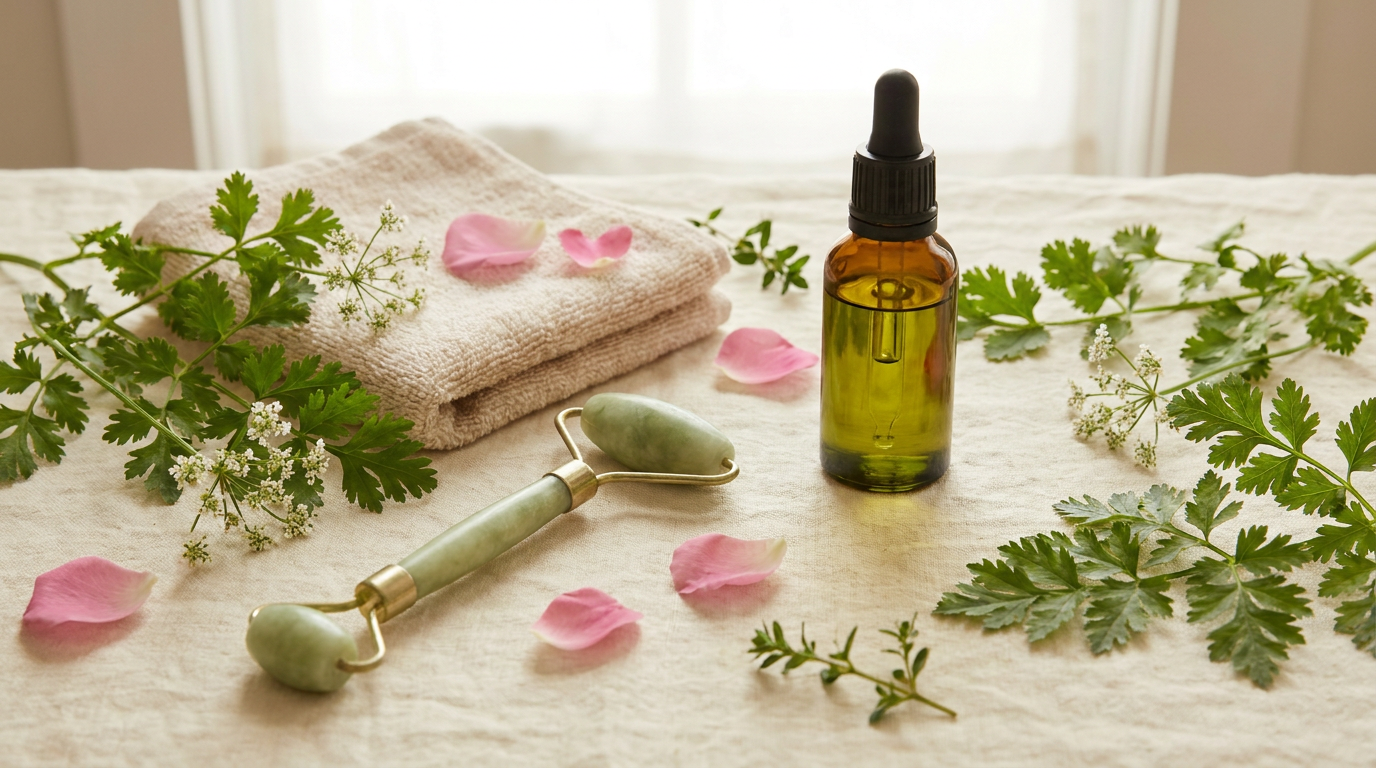
How to Dilute Cilantro Essential Oil for Safe Skin and Fabric Use
Cilantro essential oil is steam distilled from the leaves and stems of Coriandrum sativum, and it carries a bright, green, slightly peppery aroma that's distinct from coriander seed oil (which comes from the same plant but smells warmer and spicier). Because it's a concentrated plant extract, cilantro oil is not meant to touch skin or fabric undiluted. Knowing how to dilute cilantro essential oil properly is the difference between a pleasant, wearable scent and an oil that sits too heavy, stains a favorite shirt, or irritates sensitive skin.
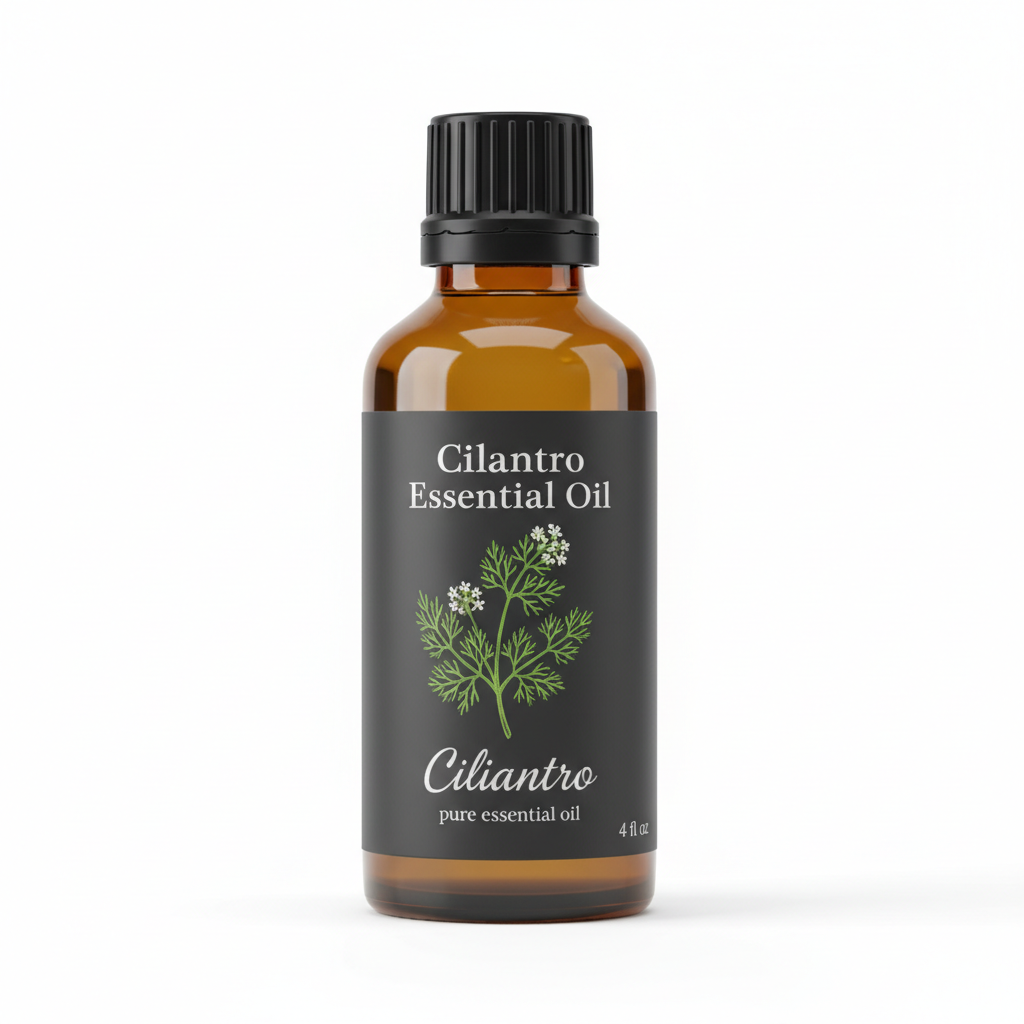
Cilantro Essential Oil
Our own Cilantro Essential Oil, in sizes from 0.5 oz to bulk.
From $11.99
Shop Now →This guide walks through the tools you need, a clear cilantro oil dilution ratio for different uses, and the exact steps to mix a batch for topical application or for freshening fabric. We'll also flag the mistakes we see most often from first-time buyers, so you can skip the trial and error.
Why Dilution Matters
Essential oils are highly concentrated. A single 15ml bottle of cilantro oil represents a large volume of plant material reduced down to a few drops' worth of aromatic compounds. Applied directly, that concentration can be more than skin is built to handle comfortably, and it can also overwhelm fabric fibers, leaving behind a spot or an odor that's stronger than intended. Diluting the oil in a carrier, whether that carrier is a plant-based oil for skin or water and a dispersant for fabric, spreads those aromatic compounds out so they behave predictably.
A properly diluted blend is also easier to control. You can add a drop at a time and build up to the scent strength you want, rather than guessing with the neat (undiluted) oil and hoping for the best.
Materials You'll Need
- Cilantro essential oil, a small bottle from a supplier that lists the botanical name, origin, and batch testing information
- Carrier oil for skin blends, such as fractionated coconut oil, sweet almond oil, or jojoba oil
- Distilled water and a natural dispersant (like polysorbate 20) for fabric sprays, since essential oils don't mix into plain water on their own
- Dark glass bottles with dropper or spray tops, 2oz or 4oz size, to protect the finished blend from light
- Small glass mixing beaker or a clean shot glass reserved for oil blending
- Stainless steel or glass stirring rod (plastic can absorb the oil's aroma over time)
- Labels and a marker to note the date and ratio used
- A notebook or notes app to track your ratios so a favorite blend can be repeated
Cilantro Oil Dilution Ratio Chart
Dilution is measured as a percentage: the proportion of essential oil to total blend (essential oil plus carrier). For reference, a standard measure is that roughly 20 to 24 drops of essential oil equal about 1ml. Here's a general starting chart for skin-applied blends using 1 fluid ounce (30ml) of carrier oil:
| Dilution | Drops of Cilantro Oil | Carrier Oil | Typical Use |
|---|---|---|---|
| 0.5% | 3 drops | 1 oz (30ml) | Facial oil blends, sensitive skin |
| 1% | 6 drops | 1 oz (30ml) | Everyday body oil |
| 2% | 12 drops | 1 oz (30ml) | Massage oil, targeted use on small areas |
| 3% | 18 drops | 1 oz (30ml) | Occasional spot use, short duration |
For most people exploring how to dilute cilantro essential oil for the first time, starting at 1% or lower is the sensible move. You can always add another drop; you can't take one back out once it's blended in.
Step-by-Step: Diluting Cilantro Oil for Skin Use
Step 1: Choose Your Carrier Oil
Pick a carrier that suits your skin type and the blend's purpose. Fractionated coconut oil is lightweight and unscented, which lets cilantro's aroma lead. Jojoba oil is close to skin's natural sebum and absorbs quickly. Sweet almond oil feels a bit richer and works well in a night-time blend. Avoid strongly scented carriers like unrefined coconut oil if you want the cilantro note to stand out clearly.
Step 2: Measure the Carrier Oil First
Pour your carrier oil into the mixing beaker before adding anything else. Working carrier-first prevents the concentrated essential oil from clinging to the beaker's sides, which can throw off your ratio.
Step 3: Add the Cilantro Oil Drop by Drop
Using the chart above, count out drops slowly. Tilt the bottle so the built-in dropper insert (most essential oil bottles include an orifice reducer) controls the flow. Rushing this step is the single most common way a blend ends up stronger than intended.
Step 4: Stir Gently
Use your glass or stainless stirring rod to combine the oils fully. A dozen slow rotations is usually enough. Avoid shaking vigorously, since it can introduce air bubbles that make the blend harder to bottle cleanly.
Step 5: Transfer to a Dark Glass Bottle
Pour or funnel the finished blend into your labeled dark glass bottle. Cilantro oil's aromatic compounds degrade faster under light and heat, so amber or cobalt glass helps the blend keep its character longer.
Step 6: Patch Test Before Regular Use
Apply a small amount of the diluted blend to the inside of your forearm and leave it uncovered for 24 to 48 hours. This is a routine step for any new essential oil blend, not just cilantro, and it's worth doing every time you try a new ratio or a new carrier. If the area shows redness, itching, or discomfort at any point, wash the area and discontinue use of that blend.
Step 7: Label and Date the Bottle
Write the dilution percentage, the carrier used, and the date mixed. Carrier oils have their own shelf life, generally 6 to 12 months depending on the oil, and a diluted blend will only last as long as its shortest-lived ingredient.
Step-by-Step: Diluting Cilantro Oil for Fabric Use
Fabric use calls for a different approach, since oil and water don't combine on their own. Skipping the dispersant is the most common reason a fabric spray leaves oily spots on linen or cotton.
Step 1: Add Dispersant to Your Spray Bottle
Pour about 1 teaspoon of polysorbate 20 (or a similar natural dispersant) into a 4oz glass spray bottle. This ingredient is what allows the essential oil to blend evenly through water instead of floating on top.
Step 2: Add the Cilantro Oil
For a general fabric refresher, 10 to 15 drops of cilantro oil per 4oz of water is a reasonable starting point, roughly a 1% dilution. Swirl the dispersant and oil together first before adding water.
Step 3: Fill with Distilled Water
Top the bottle off with distilled water rather than tap water, which can carry minerals that cloud the spray or clog the nozzle over time.
Step 4: Shake Before Every Use
Even with a dispersant, the blend will separate slightly over time. Shake the bottle for a few seconds before each spray.
Step 5: Spot Test the Fabric
Spray a small, hidden area of the fabric first, such as an inside seam, and let it dry fully. Check for any discoloration or spotting before spraying the whole item. This matters especially for silk, delicate linens, and anything dry-clean labeled.
Step 6: Spray from a Distance
Hold the bottle 8 to 10 inches from the fabric and mist lightly rather than saturating one spot. A light, even pass across the fabric distributes the scent without leaving a wet ring.
Common Mistakes to Avoid
- Applying cilantro oil undiluted to skin. Even a single drop directly on skin is more concentrated than intended for topical use.
- Skipping the patch test. Everyone's skin responds differently, and a patch test is the only way to know how your skin responds to a specific blend before wider use.
- Using tap water in a fabric spray. Minerals in tap water shorten a spray bottle's usable life and can clog fine-mist nozzles.
- Forgetting the dispersant. Without it, oil droplets sit on the fabric surface instead of distributing evenly, which is what causes visible spots.
- Storing blends in clear glass or plastic. Light exposure degrades essential oil compounds faster, and some plastics can react with concentrated oils over time.
- Over-diluting expectations. A 0.5% or 1% blend will smell noticeably lighter than the oil straight from the bottle. That's expected and appropriate, not a sign the blend is too weak to use.
- Mixing large batches on a first try. Start with a small 1oz or 2oz batch until you've settled on a ratio you like, so a miscalculation doesn't waste a full bottle of carrier.
What to Expect from a Properly Diluted Blend
A cilantro essential oil skin safe blend at 1% to 2% dilution generally spreads smoothly, absorbs without a greasy residue on most carrier choices, and carries cilantro's fresh, green aroma without overpowering the room. Some people report the scent feels grounding or bright depending on the carrier it's paired with, though individual experience with any aroma is subjective and anecdotal. On fabric, a well-diluted spray tends to dry within a few minutes and leaves a light, even scent that fades gradually over the following day rather than lingering at full strength.
Results vary by skin type, fabric type, and personal sensitivity to aroma strength, so it's worth adjusting the ratio gradually across a few small batches until you land on a blend you're happy to repeat.
Storage and Shelf Life
Store diluted blends in a cool, dark cabinet rather than a sunny windowsill or a steamy bathroom shelf. Heat and humidity both shorten the useful life of a carrier oil, and a diluted blend is only as stable as its weakest ingredient. Most diluted skin blends are best used within 6 months; fabric sprays with a dispersant tend to hold up a bit longer but benefit from a shake and a sniff test before use if it's been sitting a while.
When to Check with a Professional
If you're pregnant, caring for a young child, or managing a sensitive skin type, it's worth checking in with a qualified healthcare provider before introducing a new essential oil blend to your routine, including cilantro oil. This is general guidance for anyone working with a new aromatic ingredient, not specific to cilantro alone, and it's a reasonable habit any time you're building a blend for someone other than yourself.
Quick Reference: Getting Started
If you only remember one thing about how to dilute cilantro essential oil, make it this: start low, at 1% or under for skin and around 1% for fabric, test small, and scale up gradually once you know how a blend behaves on your own skin and fabric. That approach protects both your skin and your favorite textiles while still letting cilantro's fresh, herbal character come through clearly.