Cilantro Garlic Olive Oil: A Two-Ingredient Flavor Upgrade
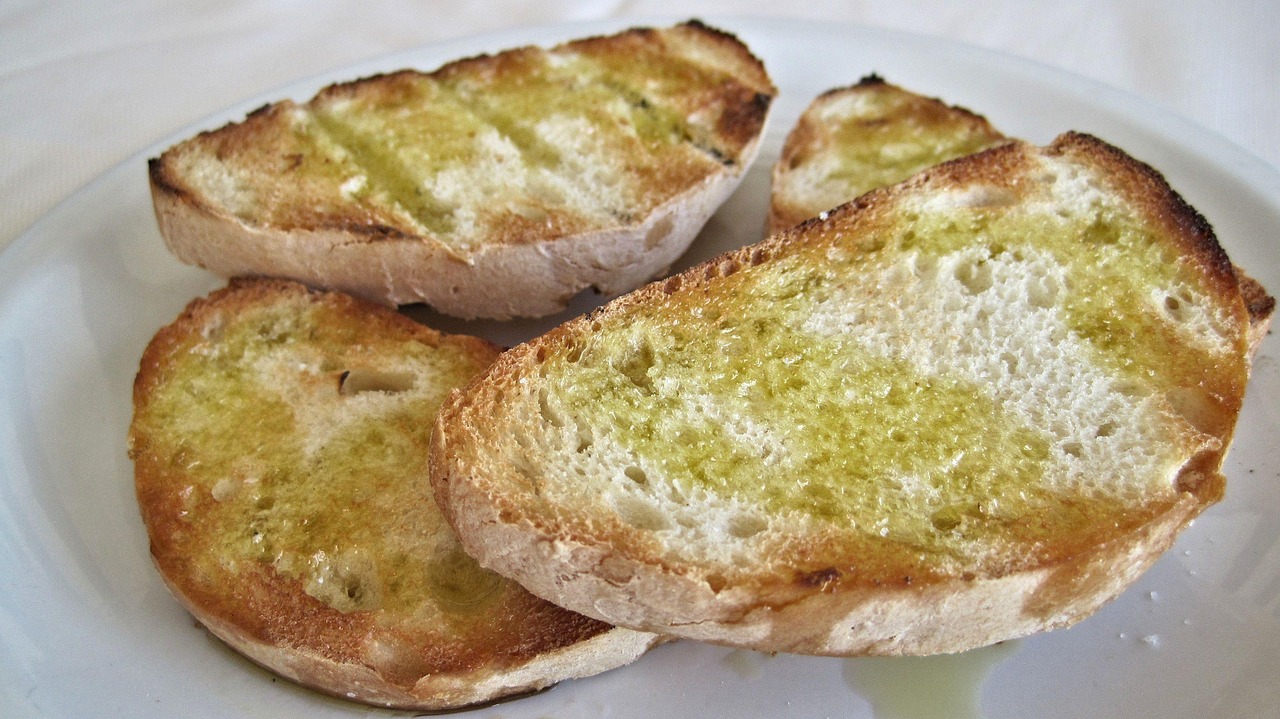
Some of the best kitchen staples are almost embarrassingly simple. This cilantro garlic olive oil is exactly that: a bright, herbaceous drizzle that takes under ten minutes to prepare and quietly elevates almost everything it touches. Grilled fish, roasted vegetables, crusty bread, grain bowls, scrambled eggs. The list goes on.
Cilantro Essential Oil
Our own Cilantro Essential Oil, in sizes from 0.5 oz to bulk.
From $13.99
Shop Now →The formula is minimal by design. Fresh cilantro contributes a green, citrus-forward lift. Raw or lightly cooked garlic adds depth and a gentle heat. A good olive oil binds everything together and carries those flavors across whatever you drizzle it on. No complicated technique required, and no specialty equipment beyond a blender or food processor.
This guide covers the full recipe, safety notes for anyone new to working with raw garlic in oil, storage guidance, and several variations worth keeping in your back pocket.
Before You Start: A Note on Food Safety
Garlic stored in oil at room temperature creates conditions that can support the growth of harmful bacteria, including Clostridium botulinum. This is not a minor concern. Commercially produced garlic-in-oil products are acidified or pressure-processed to address this risk. Homemade versions are not.
Follow these safety rules without exception:
- Refrigerate immediately. Transfer your finished cilantro garlic olive oil to the refrigerator as soon as it cools to room temperature. Never leave it on the counter.
- Use within 5 to 7 days. Fresh herb and garlic infusions in oil have a short safe window. Label your jar with the date you made it.
- Do not store at room temperature. Even a day or two on a warm counter is enough to create risk.
- When in doubt, discard. If the oil smells off, looks cloudy beyond normal separation, or has been sitting longer than a week, throw it out.
If you want a longer shelf life, see the variation section below on using dried herbs or a quick blanching method.
Recipe Overview
| Difficulty | Easy |
| Prep Time | 5 minutes |
| Cook Time | 0 to 5 minutes (depending on method) |
| Total Time | Under 10 minutes |
| Yield | Approximately 1 cup |
| Shelf Life | 5 to 7 days, refrigerated |
Ingredients
- 1 cup fresh cilantro, packed (leaves and tender stems, roughly chopped)
- 2 to 3 large garlic cloves (adjust to your preference)
- 1/2 cup good-quality extra virgin olive oil
- 1/4 teaspoon fine sea salt (optional, enhances flavor and helps with blending)
- 1 teaspoon fresh lemon or lime juice (optional, adds brightness and a mild preserving effect)
On Choosing Your Olive Oil
Quality matters here more than in a long-cooked dish, because the oil is the primary vehicle. Look for a cold-pressed extra virgin olive oil with a harvest date on the label. A grassy, slightly peppery olive oil works particularly well alongside cilantro's herbal notes. A milder Arbequina-style oil will let the cilantro and garlic do more of the talking. Both are good choices depending on what you want the final flavor to lean toward.
Equipment
- Blender, food processor, or immersion blender
- Fine mesh strainer or cheesecloth (optional, for a smoother oil)
- Small glass jar or bottle with a tight-fitting lid
- Cutting board and knife
Step-by-Step Instructions
Step 1: Prep the Cilantro
Rinse the cilantro thoroughly under cold water. Spin it dry in a salad spinner or pat it firmly with a clean kitchen towel. Excess moisture will cause the oil to splatter during blending and can introduce water into your jar, which shortens shelf life further. Roughly chop the leaves and tender stems. Discard any thick, woody lower stems.
Step 2: Prep the Garlic
Peel and roughly chop your garlic cloves. For a more assertive garlic flavor, use raw garlic as-is. For something slightly mellower, see the roasted garlic variation below. Two cloves will give you a noticeable garlic presence without overpowering the cilantro. Three cloves tips the balance toward a bolder garlic cilantro drizzle with real punch.
Step 3: Blend
Add the cilantro, garlic, and olive oil to your blender or food processor. Add the salt if using. Blend on high for 30 to 45 seconds until the mixture is smooth and bright green. Scrape down the sides once if needed.
For a slightly chunky texture that works well as a spooned sauce, pulse rather than blend continuously. For a silkier drizzle, blend longer and strain through a fine mesh strainer or a layer of cheesecloth.
Step 4: Finish and Taste
Add the lemon or lime juice if using. Blend briefly to incorporate. Taste and adjust: more salt, more citrus, or a touch more olive oil if the garlic feels sharp. The flavor will mellow slightly after a few hours in the refrigerator, so do not over-correct at this stage.
Step 5: Store
Pour the finished cilantro garlic olive oil into a clean, dry glass jar. Seal tightly. Label the jar with today's date. Refrigerate immediately. The oil will solidify slightly in the refrigerator due to the nature of olive oil at cold temperatures. This is normal. Let it sit at room temperature for five minutes before using, or run the sealed jar briefly under warm water.
How to Use Your Cilantro Olive Oil Garlic Sauce
This oil works in a wide range of applications. A few favorites:
- Drizzled over grilled shrimp, salmon, or chicken
- Spooned onto roasted potatoes or cauliflower just before serving
- Stirred into warm lentils or chickpeas
- Used as a dipping oil for flatbread or sourdough
- Tossed with pasta in place of traditional pesto
- Drizzled over fried or poached eggs
- Added to grain bowls as a finishing sauce
For more ways to use herb-forward olive oils in your kitchen, the cilantro olive oil sauce guide on this site is a practical starting point with additional serving ideas.
Storage Instructions and Shelf Life
Refrigerate in a sealed glass jar. Use within 5 to 7 days. The bright green color will fade gradually after the first day or two as the chlorophyll in the cilantro oxidizes. This does not indicate spoilage on its own, but flavor does diminish over time. The oil tastes best within the first 48 hours.
Do not freeze this preparation in a glass jar as liquid expansion can crack the jar. If you want to freeze it, pour the oil into an ice cube tray first. Once frozen solid, transfer the cubes to a zip-top freezer bag. Frozen cubes keep for up to three months and can be dropped directly into hot pans or soups.
Variations and Substitutions
Roasted Garlic Version
Roasting the garlic before blending softens its flavor considerably. Wrap a whole head of garlic in foil with a drizzle of olive oil and roast at 400°F for 35 to 40 minutes. Squeeze out the soft cloves and use 4 to 5 in place of the raw garlic. The resulting sauce is sweeter, nuttier, and more spreadable.
Blanched Cilantro for Extended Color
If color matters to you, blanching the cilantro briefly helps it stay vivid green longer. Dip the cilantro in boiling water for 15 seconds, then immediately transfer to a bowl of ice water. Squeeze out the excess moisture very thoroughly before blending. This step also softens any raw, grassy edge in the flavor.
Add Heat
One small fresh jalapeño or serrano pepper, seeded and roughly chopped, blends beautifully into this oil. It turns the garlic cilantro drizzle into something closer to a chimichurri-adjacent sauce. Particularly good over steak or grilled corn.
Citrus Forward Version
Double the lemon or lime juice and add a small strip of lime zest before blending. The result is brighter and more acidic. This version pairs especially well with seafood and lighter grains like farro or quinoa. For a full recipe built around this direction, the cilantro lime oil dressing guide has several well-developed salad applications.
Dried Herb Version (Longer Shelf Life)
Using dried cilantro instead of fresh removes most of the food safety concern around moisture, though dried cilantro is significantly less flavorful. If you go this route, use 2 tablespoons of dried cilantro in place of 1 cup fresh. The color will be more golden-green than vibrant. This version keeps refrigerated for up to two weeks.
Swap the Base Oil
Extra virgin olive oil is the traditional choice, but avocado oil works well for a more neutral flavor profile that lets the cilantro and garlic come forward without competition. Walnut oil adds an interesting nuttiness but is best used in small quantities blended with a neutral oil, as it can go stale quickly.
Going Deeper: The Bigger Picture of Cilantro-Infused Oils
This two-ingredient version is a great entry point, but the world of cilantro-infused oils is broader than a single quick recipe. If you find yourself making this regularly and want to explore cold-infusion techniques, stovetop infusion methods, or ways to incorporate other fresh herbs alongside cilantro, the complete kitchen guide to cilantro-infused oil covers those methods in detail.
Quick Reference Card
| Step | Key Detail |
|---|---|
| Dry the cilantro well | Water shortens shelf life and causes splattering |
| Garlic quantity | 2 cloves for balance, 3 for bold garlic flavor |
| Blend time | 30 to 45 seconds for smooth, pulse for chunky |
| Refrigerate immediately | No exceptions, garlic-in-oil requires cold storage |
| Use within | 5 to 7 days maximum |
| Freeze if needed | Ice cube tray, then transfer to freezer bag, up to 3 months |
Final Thoughts
This cilantro garlic olive oil is the kind of recipe that becomes a reflex. Once you have a jar of it in the refrigerator, you will find yourself reaching for it instinctively. The prep is minimal. The payoff is disproportionately large for the effort involved. Keep the safety rules in mind, label your jar, and use it generously while it is at its best.