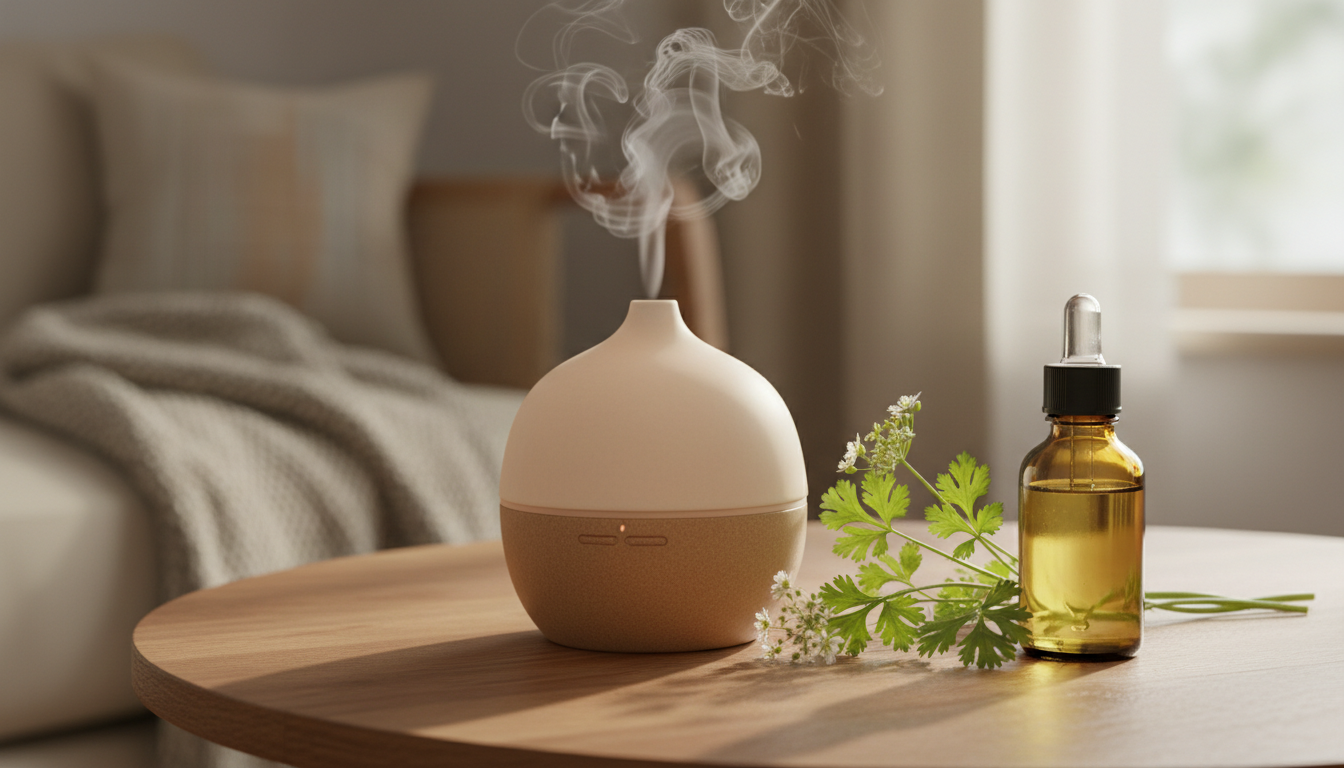
7 Craft Uses for Cilantro Essential Oil Beyond the Diffuser
Most people meet cilantro essential oil through a diffuser and stop there. That's a shame, because this bright, green, slightly citrusy oil has a lot more to offer a crafting table than a living room. Cold-pressed from the leaves and stems of Coriandrum sativum (a close cousin of coriander seed oil, though the aromatic profile differs quite a bit), cilantro essential oil brings a fresh, herbaceous note that plays well in soap, candles, sachets, and a handful of other projects you may not have considered.
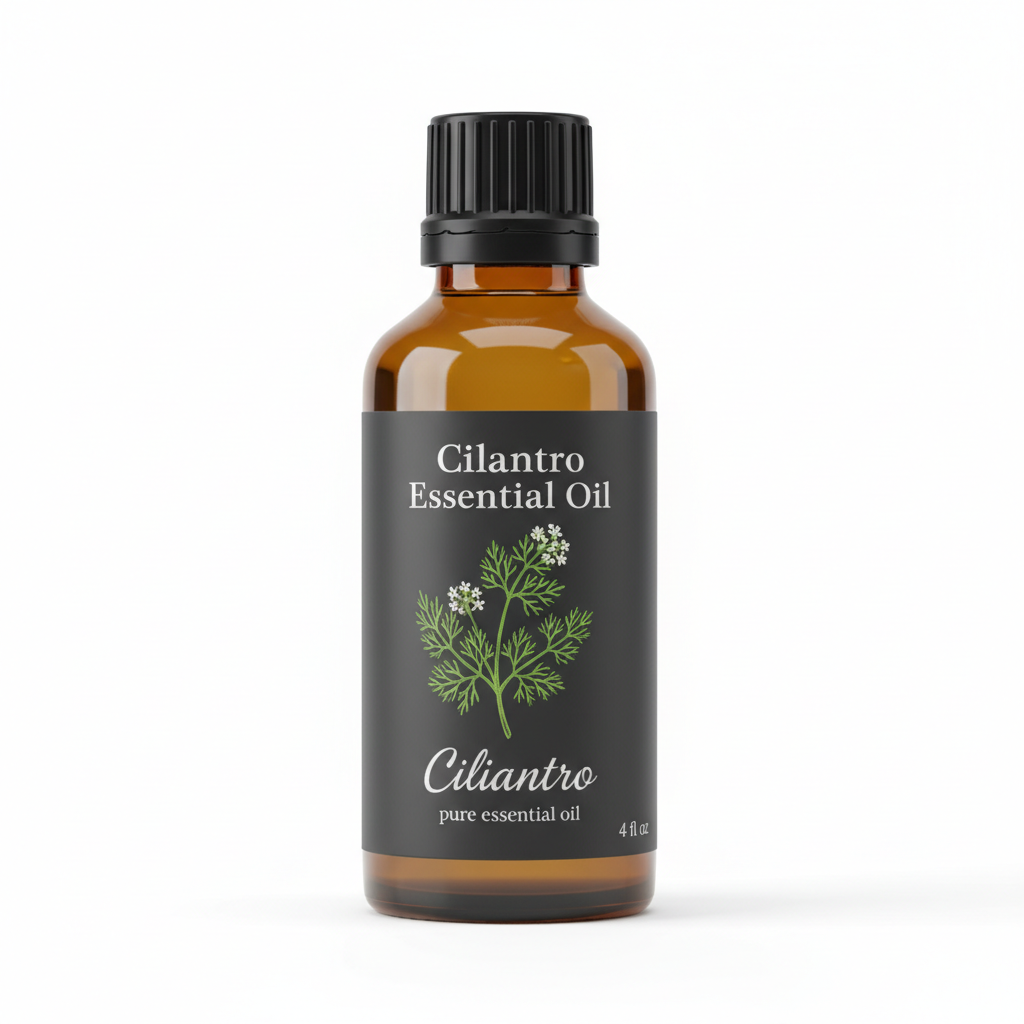
Cilantro Essential Oil
Our own Cilantro Essential Oil, in sizes from 0.5 oz to bulk.
From $11.99
Shop Now →Below are seven ways to use cilantro essential oil beyond the diffuser, each one a real craft project rather than a vague suggestion. We'll cover what to expect from the scent in each application, how much to use, and a few honest notes about where this oil shines and where it can be finicky. As with any essential oil project, always dilute properly, patch test before broader use, and keep undiluted oil away from children and pets.
1. Cold-Process Soap Making
Cilantro essential oil brings an unusual, herbal-green top note to cold-process soap, one that soapmakers often describe as "garden fresh" rather than sweet or floral. Because cold-process soap goes through saponification, a chemical reaction with lye that can be hard on delicate aromatics, cilantro oil tends to hold its scent moderately well, though some fading is normal by the time bars finish curing. Pairing it with a fixative like patchouli or vetiver in the same batch can help anchor the top notes.
A standard starting point is around 0.5 to 1 ounce of essential oil per pound of soap base (roughly 3 to 6% of oil weight), though cilantro's assertive aroma means many soapers use it toward the lower end of that range and blend it with citrus or herbal oils rather than using it alone. Add it at trace, right before pouring into molds, to minimize heat exposure. Some crafters also fold in dried cilantro leaf or a green-tinted mica for a visual cue that matches the scent.
Test a small batch before committing a full recipe's worth of oil, since scent throw varies by soap base and curing conditions. Cilantro blends particularly well with lime, coriander seed, and a touch of black pepper for a savory, herbal bar that stands apart from the usual lavender-and-oatmeal lineup.
Practical takeaway: Start at 0.5 to 1 oz per pound of soap, add at trace, and pair with a fixative oil to extend the scent through curing.
2. Container Candles With a Fresh, Herbal Profile
Candle making is one of the more forgiving ways to work with cilantro essential oil, since soy and coconut wax blends hold onto herbaceous top notes reasonably well when the fragrance load is dialed in correctly. A cilantro-based candle reads as green, slightly peppery, and unexpectedly food-adjacent in a pleasant way, closer to a fresh-cut herb garden than a typical floral candle.
For most soy wax blends, a fragrance load of 6 to 8% (roughly 1 ounce of oil per pound of wax) is a reasonable starting point, though this varies by wax brand and wick size. Add the oil once the wax has cooled slightly below its recommended pour temperature, since essential oils are more volatile than synthetic fragrance oils and can flash off if added while the wax is too hot. Stir thoroughly for at least a minute to distribute the scent evenly.
Because cilantro oil alone can feel a little sharp in a candle, many crafters blend it with a rounder note like sweet orange or a touch of clary sage to soften the profile. Always test burn a sample candle before producing a full batch, checking for both cold throw (scent when unlit) and hot throw (scent when burning), since the two don't always match.
Practical takeaway: Use a 6 to 8% fragrance load, add oil below pour temperature, and test-burn before scaling up a batch.
3. Botanical Drawer Sachets and Closet Fresheners
Sachets are one of the simplest craft projects with essential oils, and cilantro's green, slightly zesty character makes for a nice change of pace from the usual lavender sachet. A muslin or linen pouch filled with a dry carrier like rice, dried herbs, or unscented clay beads, then scented with a few drops of oil, can freshen a drawer or closet corner for weeks at a time.
A good starting ratio is 15 to 20 drops of cilantro essential oil per half cup of dry filler material, mixed thoroughly and left to sit in a sealed jar for a day or two before filling the sachet pouches. This resting period, sometimes called "curing," lets the scent distribute more evenly through the filler rather than sitting concentrated on the surface. Blending cilantro with a woodier oil like cedarwood rounds out the aroma and helps it linger.
Because sachets sit in enclosed spaces, keep them away from direct contact with clothing that might absorb oil spots, and use a filler bag or an inner liner if you're worried about staining. Refresh the sachet with a few additional drops every few weeks as the scent fades.
Practical takeaway: Mix 15 to 20 drops per half cup of dry filler, let it cure a day or two before bagging, and refresh periodically.
4. Solid Perfume and Personal Scent Blending
Cilantro essential oil has a reputation among perfumers as a bold, somewhat divisive top note, green and a little sharp, not unlike its culinary namesake. Used carefully in a solid perfume base, it can add real character to a custom blend rather than getting lost among sweeter notes. Solid perfumes typically use a base of beeswax and a light carrier oil like jojoba, melted together and scented once the mixture has cooled slightly.
A workable dilution for a solid perfume is around 15 to 20 drops of total essential oil per ounce of finished base, with cilantro making up perhaps a quarter to a third of that blend rather than the whole thing. It pairs surprisingly well with citrus oils like bergamot or grapefruit for a bright top note, and with something warmer underneath, such as sandalwood, to keep the composition from feeling one-dimensional.
Because this project involves prolonged skin contact, always patch test any new blend on a small area of skin, such as the inner forearm, and wait 24 to 48 hours before applying it more broadly. If any redness, itching, or discomfort develops, discontinue use. People with sensitive skin, pregnant individuals, and those with known plant allergies should check with a qualified healthcare provider before trying a new essential oil blend on skin.
Practical takeaway: Keep cilantro to about a quarter to a third of a 15 to 20 drop-per-ounce blend, and always patch test before regular wear.
5. Scented Wax Melts for Warmers
For crafters who like the idea of scented wax without an open flame, wax melts are a low-commitment way to experiment with cilantro essential oil in small batches. Because melts are designed to be reheated repeatedly in a warmer rather than burned once, the fragrance load can run a bit higher than in candles, often 8 to 10% of the total wax weight, without becoming overwhelming.
Soy or paraffin wax both work for melts, though soy tends to hold scent a bit longer between reheating cycles. Pour the melted wax into small silicone molds and add the essential oil once the wax has cooled slightly below pouring temperature, stirring well before it sets. A blend of cilantro with lime or sweet orange gives the melt a bright, garden-fresh character that works well in kitchens and sunrooms.
Because wax melts are reused multiple times, expect the scent to mellow with each reheating cycle. This is normal and not a sign of a flawed batch. Label your melts with the blend and date so you can track which combinations you liked best.
Practical takeaway: Use an 8 to 10% fragrance load in small silicone molds, and expect scent intensity to mellow slightly with each reuse.
6. DIY Linen and Room Spray
A simple linen spray is one of the more approachable craft projects with essential oils, requiring only a spray bottle, water, a dispersing agent, and your chosen oils. Cilantro's fresh, green scent works nicely in a room spray meant for kitchens, entryways, or sunrooms, spaces where a food-adjacent herbal note feels at home rather than out of place.
Because essential oils don't dissolve in water on their own, use a dispersing agent such as polysorbate 20 or high-proof grain alcohol (like vodka or Everclear) to help the oil blend evenly rather than floating on the surface and potentially staining fabric. A common formula is about 15 to 20 drops of essential oil, one to two teaspoons of dispersant, and the rest distilled water in a 4-ounce spray bottle. Shake well before each use, since separation can occur even with a dispersant.
Test the spray on a hidden corner of any fabric before spritzing it broadly, as essential oils can occasionally mark delicate materials. Cilantro blends nicely here with lemon or grapefruit for a lighter, more citrus-forward room spray, or with a touch of eucalyptus for a crisper, more invigorating aroma.
Practical takeaway: Use a dispersing agent, keep the ratio around 15 to 20 drops per 4 ounces of water, and spot test on fabric first.
7. Dried Botanical Potpourri
Potpourri is one of the oldest craft uses for essential oils, and cilantro's green, herbal profile gives it an interesting twist on the usual dried-flower blend. Rather than leaning on rose petals or lavender buds alone, a cilantro-scented potpourri can incorporate dried citrus peel, whole coriander seed (a nod to the plant's other half), bay leaves, and a handful of dried herbs for a garden-inspired bowl that looks as good as it smells.
To scent a batch, combine your dried botanical mix in a jar with 20 to 30 drops of cilantro essential oil, seal it, and let it sit for a week or more, shaking occasionally to redistribute the oil. This curing time allows the dried material to absorb the scent more fully than a quick spritz would. Once cured, display the potpourri in an open bowl and refresh with a few additional drops every few weeks as the aroma fades.
Keep potpourri bowls out of reach of pets and small children, since dried botanical material and concentrated essential oil are not meant to be ingested. A shallow decorative bowl on a high shelf or mantel works well for both display and safety.
Practical takeaway: Cure dried botanicals with 20 to 30 drops of oil in a sealed jar for a week before displaying, and keep the finished bowl out of reach of pets and kids.
A Few General Notes Before You Start
Across all seven of these projects, a few habits go a long way toward a good result. Always work with high-quality, properly sourced cilantro essential oil rather than a diluted or synthetic "fragrance oil" sold under the same name, since the two behave differently in craft applications and only pure essential oil is being discussed here. Store your oil in a cool, dark place with the cap tightly sealed between uses, as heat and light can degrade the aroma over time.
When a project involves skin contact, such as solid perfume or a lotion-adjacent recipe, always dilute according to established ratios (generally no more than 1 to 2% essential oil for leave-on skin products) and patch test on a small area first. Anyone who is pregnant, nursing, managing a chronic condition, or caring for young children or pets should check with a qualified healthcare provider before introducing a new essential oil into home projects, particularly those involving skin contact or enclosed spaces.
Cilantro essential oil rewards a bit of experimentation. Its green, slightly peppery profile doesn't behave like the florals and woods most crafters reach for by default, which is exactly what makes it interesting to work with. Start small, keep notes on your ratios, and let each project tell you whether more or less oil suits the result you're after.